

Market Watch
As of October 22, 2026 | 12:36 AM
| Name | Price | Change (Change %) | Open | High | Low | Pre. Close |
|---|---|---|---|---|---|---|
| GBPINR | 128.97 | Up by 128.94 rupees, that is 6,44,725 percent. | 0.00 | 0.00 | 0.00 | 0.02 |
| GBPUSD | 1.34 | Up by 0 rupees, that is 0.36 percent. | 1.34 | 1.34 | 1.34 | 1.33 |
| USDINR | 95.73 | No change, that is 0 percent. | 0.00 | 0.00 | 0.00 | 95.73 |
| JPYINR | 60.60 | No change, that is 0 percent. | 0.00 | 0.00 | 0.00 | 60.60 |
| USDJPY | 158.99 | No change, that is 0 percent. | 0.00 | 0.00 | 0.00 | 158.99 |
| EURUSD | 1.12 | Down by 0 rupees, that is 0.1 percent. | 1.12 | 1.12 | 1.12 | 1.13 |
| EURINR | 106.98 | Down by 0.2 rupees, that is 0.18 percent. | 107.18 | 107.18 | 106.80 | 107.18 |
Powerful. Stable. Secure. Trading platform
- F&O WatchTrack all market data at one place
- Watchlist PROPlace 1-click orders from watchlist
- Trade from charts real timeOrder from live TradingView charts
- Research and Smart Advisory PortfoliosInvest smarter with expert calls & curated portfolios
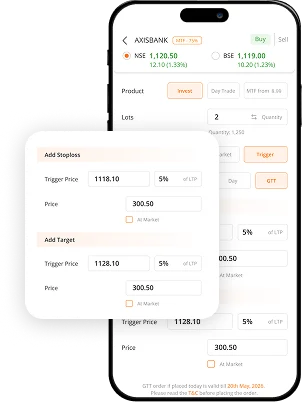
- Advanced order formSmart orders with 1-click execution on baskets & GTT
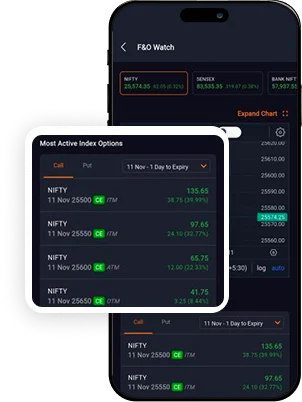
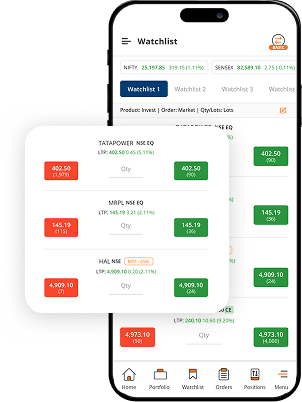
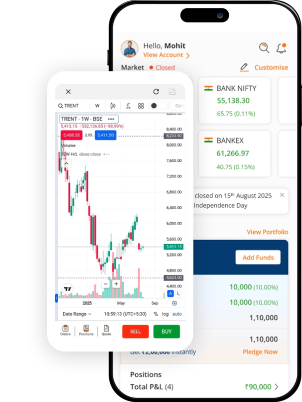
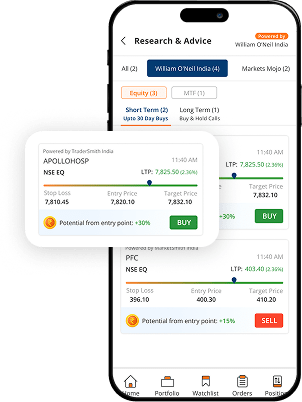

Uninterrupted experience: 7,467 trades/min
Efficient trading: 20+ tools | Assured safety: World-class security
Efficient trading: 20+ tools | Assured safety: World-class security
“I have saved 8-10% with MTF”

Rahul Barve
m.Stock customer, Mumbai
Market News
Other Markets - Bullion Markets
Stronger Dollar keeps Gold prices under check
October 13, 2026 | 5:18 PMOther Markets - Bullion Markets
Gold trades lower as Dollar firmness pressures
October 12, 2026 | 4:21 PMOther Markets - Bullion Markets
Dollar softness propel Bullion prices
October 9, 2026 | 5:39 PM
FAQs
Currency derivates are trading contracts wherein a specified amount of a specific currency pair is traded in the foreign exchange (forex) or currency trading market. These derivatives are essentially currency futures and options contracts traded on a predetermined date in the future. Currency derivatives are traded in the same way as stock futures and options, with currencies being the underlying assets or resources, instead of stocks. Commonly paired futures and options currency derivates traded on the forex market include USD-INR, EUR-INR, GBP-INR, JPY-INR, etc. In this trade, the forex rate is defined as the value of a foreign currency compared to a country's domestic currency.