

Apply for an IPO with m.Stock
About IPO
An Initial Public Offering (IPO) is a means for companies to raise money for reasons such as product diversification, expansion into a new market, a substantial R&D project, merger, and acquisition activities, and so on.
Investing in an IPO of a stable company can unlock opportunities for investors like you, to be a part of the company's growth while also enjoying listing gains in the short term.
Benefits of IPO Investments
Diversification
Expand your portfolio by tapping into new public listings
Greater liquidity
Gain from easy and quick exit options as soon as company goes public
Good Valuations
Benefit from short-term gains as IPOs are usually listed at affordable prices
Transparency
Make informed investment decisions by reading the SEBI-mandated DRHP
Who can invest in IPO?
While any individual can invest in IPO, there are three distinct categories of IPO investors:

Qualified institutional investors
Commercial banks, mutual fund houses, pension funds, foreign portfolio and trusts Allotment capped at 50% by SEBI

High networth investors
Non-qualified institutional investors with IPO bidding of over ₹2 lakh Allotment capped at 15%

Retail investors
Investors who participate with less than ₹2 lakh capital allotment capped at 35%
How to apply for an IPO on m.Stock?
- 1
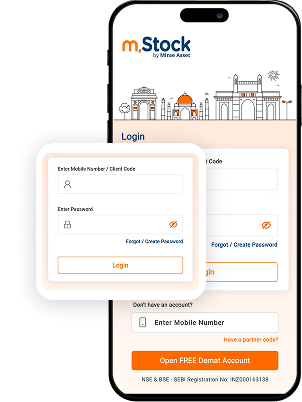
Open m.Stock Demat Account
- 2
Select the IPO you want to invest in
- 3
Add funds through UPI and apply for the IPO. It's that easy!


How to enhance your chances of
IPO allotment?
Bid at the cut-off price always
Apply within the first 2 days of IPO listing
Apply for multiple lots
Apply from multiple demat accounts (different PAN details)
Hold at least 1 share of the parent company (if available) and apply in the 'shareholder' category
Approve the mandate request received after applying, without fail
News
Jio Platforms Ltd IPO subscribed 5.57 times
The offer received bids for 110.03 crore units as against 19.75 crore units on offer.
The initial public offer of Jio Platforms Ltd IPO received bids for 1,10,03,48,928 units as against 19,75,25,934 units on offer, according to stock exchange data at 19:45 IST on Thursday (22 October 2026). The issue was subscribed 5.57 times.
The issue opened for bidding on Wednesday, 21 ...
Paras Healthcare Ltd IPO subscribed 0.34 times
The offer received bids for 0.41 crore units as against 1.21 crore units on offer.
The initial public offer of Paras Healthcare Ltd IPO received bids for 41,24,631 units as against 1,20,83,331 units on offer, according to stock exchange data at 19:10 IST on Thursday (22 October 2026). The issue was subscribed 0.34 times.
The issue opened for bidding on Wednesday, 21 Octobe...
Jio Platforms Ltd IPO subscribed 3.16 times
The offer received bids for 62.36 crore units as against 19.75 crore units on offer.
The initial public offer of Jio Platforms Ltd IPO received bids for 62,36,07,864 units as against 19,75,25,934 units on offer, according to stock exchange data at 19:54 IST on Wednesday (21 October 2026). The issue was subscribed 3.16 times.
The issue opened for bidding on Wednesday, 21 Oc...
Paras Healthcare Ltd IPO subscribed 0.15 times
The offer received bids for 0.18 crore units as against 1.21 crore units on offer.
The initial public offer of Paras Healthcare Ltd IPO received bids for 17,81,619 units as against 1,20,83,331 units on offer, according to stock exchange data at 19:54 IST on Wednesday (21 October 2026). The issue was subscribed 0.15 times.
The issue opened for bidding on Wednesday, 21 Octob...
Tonbo Imaging India Ltd IPO subscribed 135.90 times
The offer received bids for 115.87 crore units as against 0.85 crore units on offer.
The initial public offer of Tonbo Imaging India Ltd IPO received bids for 1,15,87,19,247 units as against 85,26,033 units on offer, according to stock exchange data at 19:22 IST on Monday (19 October 2026). The issue was subscribed 135.90 times.
The issue opened for bidding on Thursday, 15...
FAQs
An Initial Public Offering (IPO) is the process through which a private company offers its shares to the public for the first time. This process is referred to as "going public". It allows a company to raise money from the stock market by selling its shares (and proportionate ownership) to the new investors.
Through an IPO, companies can generate capital that can be used for expansion, paying off debt, or funding new projects. In return, the investors who buy the shares gain ownership in the company and can benefit from future profits. These benefits can be in the form of dividends or the appreciation of the price of the share that can be sold at a profit.
IPO meaning is important to know for both businesses and investors. While it provides companies with access to a larger pool of funds, it also allows the public to invest in businesses they believe will grow in value. For companies, IPOs also mean complying with stricter regulations and reporting standards as they become publicly listed entities. This process helps companies grow and expand while offering investors opportunities to participate in the company's future success.