
All You Need to Know About the Annual Report
- What annual reports are and their purpose
- Key components and significance of annual reports
- The most critical sections to read and why
- How and where to access annual reports easily
Why Annual Reports Are More Than Just Paperwork
Imagine a publicly listed company where shareholders have no way of knowing how the company performed throughout the year or what lies ahead. That’s the gap annual reports bridge they serve as a vital communication tool between a company's management and its stakeholders.
An annual report does more than just crunch numbers. It offers a narrative—a reflection on what happened in the past year, insights into strategic decisions, and indicators of where the company is headed.
Even the most seasoned investors, including legendary ones, place great emphasis on annual reports for this reason.
What Makes Annual Reports So Crucial?
Back when transparency wasn’t the norm, annual reports were among the only windows into a company’s operations. Today, despite news updates and market analysis, the annual report remains the most comprehensive and trustworthy source of company information.
Here’s why they continue to be essential:
They are a legal and regulatory requirement, and hence, reliable.
These documents are used by analysts, investors, banks, regulators, and rating agencies to assess a company’s credibility and future potential.
The contents have evolved over time to include both financial performance and non-financial disclosures—making them a well-rounded resource.
Take, for instance, how the annual report of a top Indian pharmaceutical company changed between 2006–07 and 2020–21: it evolved from being a number-heavy document to a rich, insightful communication tool.
What’s Inside an Annual Report?
Since annual reports cater to a diverse audience—shareholders, investors, institutions, and regulators—they pack more than just balance sheets. Here's a breakdown of the most important sections:
1. Chairperson’s or CEO’s Message
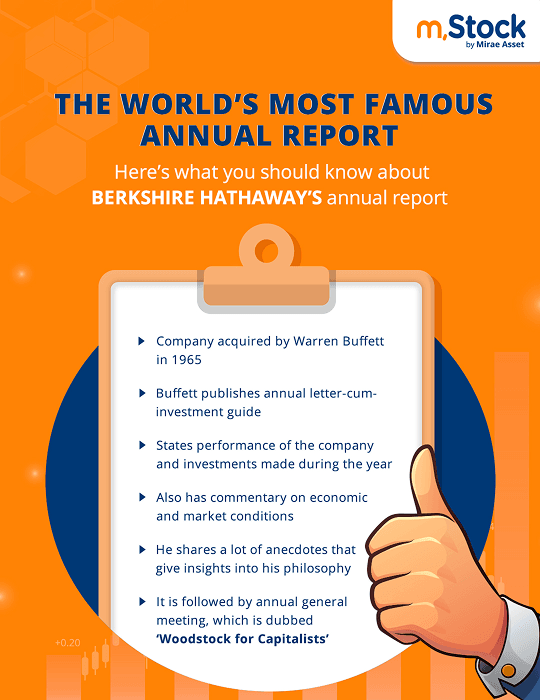
Though not mandatory, this section offers a top-level perspective on the company's journey, achievements, and future plans. Think of Warren Buffett’s shareholder letters—often valued as highly as the company’s actual financials.
2. Directors’ Report & Management Discussion and Analysis (MD&A)
These give a detailed summary of business performance, growth initiatives, operational challenges, and strategic decisions taken over the year. It helps readers gauge how well the company is navigating its environment.
3. Auditor’s Report
This section reflects the auditor’s view on the financial health of the company. It certifies if the company’s accounting practices comply with accepted standards and flags any discrepancies.
4. Financial Statements
The Balance Sheet, Profit & Loss Statement, and Cash Flow Statement are the heart of the report. They present the company's financial position, profitability, and liquidity.
5. Notes to Financial Statements
These notes explain the accounting assumptions and provide in-depth details on line items in the financial statements. They often reveal information not directly visible on the balance sheet, such as lease obligations or contingent liabilities.
6. Related Party Transactions
If the company has dealings with entities it’s related to (per legal definition), these must be disclosed. This includes the nature of the relationship, outstanding balances, and any risks like unpaid dues or bad debts.
7. Corporate Governance Report
This part details the internal framework—rules, practices, and policies—that ensure transparency and fairness in company management. While the format may vary, the goal remains consistent: accountability to shareholders.
8. Additional Disclosures
Depending on the size of the company, you may also find:
Business Responsibility Report (sustainability and ESG-related disclosures)
Secretarial Audit Report (compliance with governance norms)
Other voluntary disclosures meant to improve transparency
Where Can You Access Annual Reports?
Thanks to digital platforms and mandatory disclosures, accessing annual reports today is easier than ever. Whether you're analyzing a potential stock or tracking a company in your portfolio, these reports are just a few clicks away.
Here’s how to find them:
On Company Websites
Almost every listed company has a dedicated ‘Investors’ section where annual reports for previous years are archived.
On Stock Exchange Platforms
You can also head to stock exchange websites for centralized access:
Visit www.bseindia.com
Go to the ‘Corporates’ section
Click on Historical Annual Reports to find records going back to 1997
Direct Link: Historical Annual Reports - BSE
Key Points to Remember
Reviewing annual reports is a must-do for anyone investing in individual stocks.
If you’re evaluating a company for the first time, look at at least five years of annual reports for a clear picture.
These documents provide verified, third-party-certified insights into a company’s financial health, management strategy, and operational efficiency.
Skipping the annual report could mean missing out on critical red flags or growth signals.