

July 30, 2025 | 4 min read
Why DDPI is the Smarter Choice for Investors: Simplifying Consent in Share Transactions
In the high-stakes world of equity markets, timing is everything. A few seconds can mean the difference between gains and missed opportunities. As brokers, it's our job not just to facilitate trades—but to do so with efficiency, security, and simplicity.
Yet, many investors still find themselves stuck in a loop of friction every time they sell a share—thanks to TPINs and OTPs. If you’ve ever been frustrated by these repetitive authorisation steps, there’s a better way. It’s called DDPI—and today, I want to break down why DDPI is the smarter, safer, and more seamless choice for you.
What’s the Fuss All About: TPIN, OTP & DDPI?
Let’s decode the jargon.
When you sell shares, brokers are required to debit those shares from your demat account and deliver them to the clearing corporation. This can’t happen without your consent, and currently, there are two ways to provide this:
- eDIS via TPIN & OTP: You generate a TPIN (valid for 90 days) from CDSL, then enter it every time you sell a stock. An OTP is sent to your registered email and mobile. Only after verifying both does your sale go through.
- DDPI (Demat Debit and Pledge Instruction): This is a one-time digital agreement that authorises your broker to execute share pay-ins on your behalf whenever you sell. No need for repeated TPINs or OTPs.
Additional Reads: How to Set Up DDPI - Demat Debit and Pledge Instruction?
Why DDPI Wins - Hands Down?
Let me explain this as an operations guy who’s seen the backend chaos and customer pain firsthand.
Frictionless Selling Experience:
With DDPI, you eliminate repeated verification steps. Your trades execute in real-time—no delays, no last-minute OTP issues, no price slippages.
Regulatory-Compliant & Secure:
There’s a misconception that DDPI gives brokers unchecked access. That’s simply not true.
- DDPI only permits on-market share delivery, not off-market transfers.
- All pledge actions still require your authentication via depository links.
- Even in repledge cases, brokers are tightly monitored with daily reporting, collateral audits, and SEBI inspections.
At m.Stock, for example, we’ve built layered safeguards that comply with every regulation ... and then some. You get transparency, alerts, and full control at every step.
One-Time Setup. Lifetime Convenience:
DDPI is digitally signed and franking enabled. Once you opt in, you don’t have to think about TPIN expiries or OTP delays again. Your trades flow faster - and smoother.
Enhanced Safety with Real-Time Oversight:
With DDPI, you’re always in the loop. Every debit from your demat account is instantly notified via SMS and email, giving you full visibility and peace of mind. Unauthorised transactions are blocked by design - and alerts ensure you're never caught unaware.
Convenience That Fits Your Lifestyle:
In today’s fast-moving markets, no one wants to juggle logins, OTPs, and TPINs just to sell a stock. DDPI gives you one-click simplicity without sacrificing control. It’s designed for the modern investor who expects both speed and security.
Hassle-Free Execution Every Time:
The most common reason for failed sell orders? Expired TPINs, delayed OTPs, or session timeouts. DDPI eliminates all these failure points. You execute trades smoothly - without interruptions or backend errors. Less frustration. More confidence.
Built for a Seamless m.Stock Experience:
At m.Stock, DDPI isn’t just an option - it’s part of our promise to deliver seamless, low brokerage trading. From opt-in to execution, the entire journey is 100% digital, secure, and lightning-fast
- Our DDPI system is embedded into the app experience for easy access.
- We ensure real-time trade execution backed by robust compliance protocols.
- Clients using DDPI report significantly fewer failed transactions and greater trading confidence.
Busting the “Misuse” Myth:
A few investors still worry: “What if DDPI is misused?”
Here’s the truth.
Under today’s regulatory framework:
- No DDPI-based pledge or outside transfer can occur without your explicit confirmation via depository portals.
- SMS and email alerts keep you informed of every transaction.
- Off-market misuse is blocked—because any such attempt triggers an OTP to you, not the broker.
The system is built for safety. And with trusted platforms like m.Stock, you’re backed by global standards and constant compliance oversight.
Final Word: Let Simplicity Work in Your Favour
In a market that moves at lightning speed, ease of execution isn't just a luxury—it's a competitive edge. DDPI gives you that edge.
As someone who oversees operational efficiencies for lakhs of m.Stock clients, I can confidently say: DDPI is the future of seamless trading. It’s faster, safer, and far more user-friendly.
If you haven’t opted for DDPI yet, take a moment and do it today. Because when technology, regulation, and simplicity align - your money moves smarter!
More Related Articles
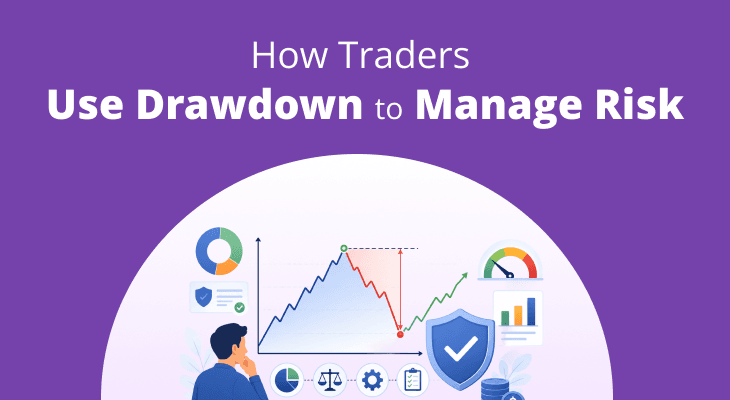
How Traders Use Maximum Drawdown to Manage Portfolio Risk?
 August 19, 2026 | 0 mins read
When evaluating an investment or trading strategy, returns usually receive the most attention. However, returns alone do not tell investors how much risk was taken to achieve them. Two portfolios may deliver the same annual return, but one may have experienced far steeper losses during market downturns. This is where max drawdown becomes useful. It measures the largest decline in the value of a portfolio, trading account, or investment from its highest point to its lowest point before a new peak is reached. Instead of focusing only on profits, it shows the worst historical loss an investor would have experienced by staying invested.
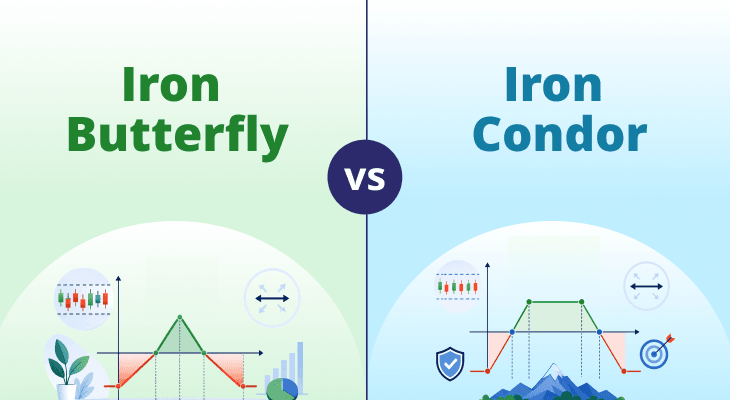
Iron Butterfly vs Iron Condor: Which Strategy Is Better?
August 19, 2026 | 0 mins read
Options trading is not always about predicting the next big market move. At times, the market trades within a narrow range, creating opportunities for strategies that benefit from stability rather than direction. Two of the most widely used neutral strategies are the iron butterfly strategy and the iron condor options strategy. While both strategies use four option contracts and defined risk, they do not behave in the same way. Differences in strike selection, profit range, and risk-reward dynamics can significantly affect trading outcomes. Understanding the difference between an iron condor and an iron butterfly can help you select a strategy that matches your market expectations and trading objectives.

Iron Condor Strategy
August 19, 2026 | 0 mins read
Markets do not always trend strongly. At times, prices remain within a narrow range, making directional trades more challenging. The iron condor strategy is designed for these market conditions. It doesn’t rely on a bullish or bearish outlook. It aims to generate returns when the underlying asset remains within a predefined price range. With clearly defined risk and reward, it has become a widely used approach among traders looking to capitalise on range-bound markets while maintaining controlled exposure.