
July 22, 2024 | 5 min read
What is CDSL EASI and How to Register For It?
In the dynamic world of Indian financial markets, the process of selling shares has seen significant evolution over time. Gone are the days when investors needed debit instruction slips (DIS) or to grant power of attorney (POA) to brokers for smooth share dealings. In this era of digitalisation, a more user-friendly and secure method exists for handling securities holdings known as CDSL EASI and EASIEST. In this blog post, we will explore the nuances of CDSL EASI and EASIEST, differentiate between them, and, most importantly, elucidate the enrollment procedure.
What is CDSL EASI?
CDSL EASI, which stands for Central Depository Services Limited - Electronic Access to Securities Information, offers a platform that grants investors easy access to their securities holdings and transactions. It signifies a significant advancement in the financial sector and is an indispensable tool for anyone engaging in the Indian financial market.
Through CDSL EASI, investors can conveniently access their demat account statements, review transaction histories, and stay updated on their securities holdings. This online platform has streamlined share transactions, eliminating the necessity for extensive paperwork and conventional DIS methods.
Is EASIEST identical to EASI?
Before we delve into the process of enrolling in these services, let's address a common area of confusion – distinguishing between EASI and EASIEST.
EASI (Electronic Access to Securities Information):
Primarily, EASI's main focus is on providing a secure means to access information related to investors' holdings of securities. It enables users to view details of their demat accounts, transaction histories, and account statements online.
EASIEST (Electronic Access to Securities Information and Execution of Secured Transactions):
As the name suggests, "EASIEST" takes a step beyond EASI. It not only offers access to information but also empowers investors to directly initiate secured transactions from their demat accounts. This includes options such as freezing, unfreezing, off-market transactions, on-market transactions, inter-depository transactions, and early pay-in debit instructions.
Now that we've clarified the distinction between EASI and EASIEST, let's proceed to the essential aspect – the registration process for these services.
How to Register for EASI / EASIEST?
Signing up for CDSL EASI or EASIEST is an uncomplicated procedure. Follow this detailed guide to start:
Step 1
Obtain a Beneficiary Owner Identification Number (BO ID) First, ensure you have a demat account. If not, initiate creating one with an authorised depository participant (DP). The DP provides a BO ID, a critical unique code needed for signing up.
Step 2
Visit the CDSL EASI Website With your BO ID, go to the CDSL EASI website. Use a safe and stable internet connection to protect your financial information.
Step 3
Begin Registration At the CDSL EASI site, find and click the "Register" or "Sign Up" button to start the registration. You'll need to input your BO ID and other necessary information carefully, as they are essential for identity confirmation.
Step 4
Confirm Your Identity You'll be required to complete KYC (Know Your Customer) during registration. This involves providing details from your Aadhaar card, PAN card, and other relevant ID documents. Keep these documents close at hand.
Step 5
Create Your Login Details After verifying your identity, set up your login details. This usually means choosing a username and creating a strong password, mixing letters, numbers, and symbols for better security.
Step 6
Select Services After registering, decide between CDSL EASI and EASIEST based on your needs. Choose EASIEST for executing secured transactions, or EASI for basic information access.
Step 7
Agree to Terms and Conditions Carefully read and agree to the terms and conditions provided by CDSL. This is crucial as it outlines the rules for using the service.
Step 8
Await Verification and Approval After registration, CDSL will review your application. Once approved, you'll get a confirmation via message or email. Approval might take time, so be patient.
Step 9
Log In and Discover You're now registered with CDSL EASI or EASIEST. Log in with your new credentials. You'll be able to view demat account details, check transaction histories, and, with EASIEST, start secured transactions.
Advantages of Using EASIEST
After successfully registering for EASIEST, let's delve deeper into the benefits of this advanced platform:
Effortless Transactions
EASIEST permits the execution of debit or credit instructions directly from your demat account, eliminating the conventional practice of completing physical instruction slips.
Convenience
With EASIEST, you can conduct transactions online from the comfort of your home or office, obviating the necessity for in-person visits to your DP's office.
Time Efficiency
EASIEST is not restricted by time or location. You can initiate transactions at any time, irrespective of your geographical location, rendering it exceptionally convenient.
Reduction In Paperwork
The days of maintaining and safeguarding debit instruction slip (DIS) booklets are in the past. EASIEST streamlines the process and guarantees the accuracy of your instructions.
Versatile Upload Capability
EASIEST offers a flexible upload feature, enabling the submission of multiple transactions within a single file, conserving time and effort.
Flexibility
EASIEST facilitates the submission of various transaction types, encompassing freeze, unfreeze, off-market, on-market, inter-depository, and early pay-in debit instructions. It serves as a one-stop platform for all your demat account requisites.
Conclusion
Within the swiftly changing world of finance, CDSL EASI and EASIEST emerge as vital resources for both investors and traders in India. These systems ease the process of acquiring important data and enable the performance of secure transactions, thus enhancing the productivity of your dealings within the securities market.
Following the detailed instructions presented in this text and utilising the benefits provided by EASIEST will allow you to effectively monitor your securities portfolios and dealings. Remember to always protect your access details and utilise the functions of these platforms for the efficient handling of your investments and to remain thoroughly informed.
More Related Articles
How Traders Use Maximum Drawdown to Manage Portfolio Risk?
 August 19, 2026 | 0 mins read
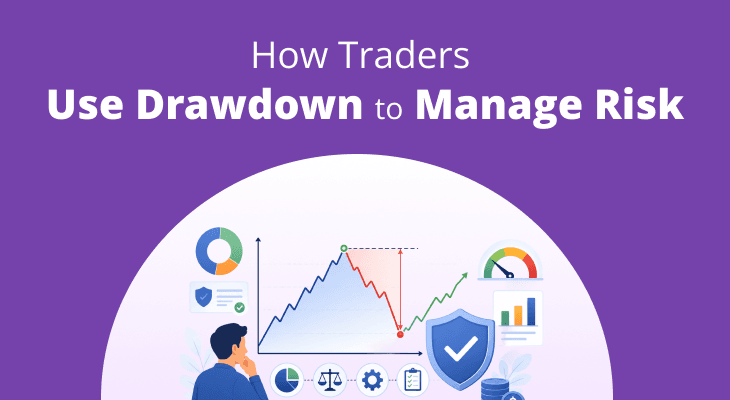
When evaluating an investment or trading strategy, returns usually receive the most attention. However, returns alone do not tell investors how much risk was taken to achieve them. Two portfolios may deliver the same annual return, but one may have experienced far steeper losses during market downturns. This is where max drawdown becomes useful. It measures the largest decline in the value of a portfolio, trading account, or investment from its highest point to its lowest point before a new peak is reached. Instead of focusing only on profits, it shows the worst historical loss an investor would have experienced by staying invested.
Iron Butterfly vs Iron Condor: Which Strategy Is Better?
August 19, 2026 | 0 mins read
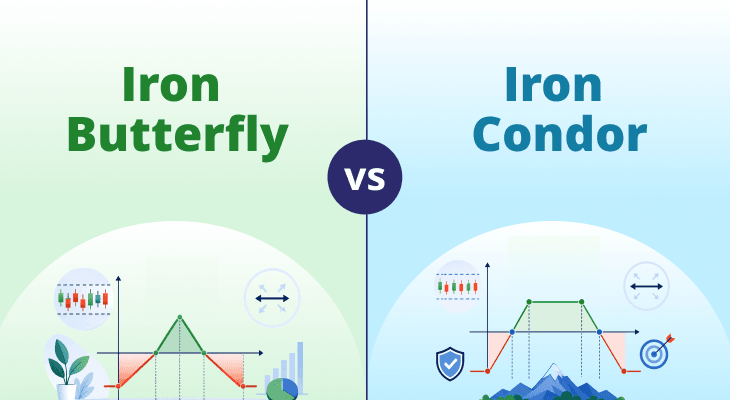
Options trading is not always about predicting the next big market move. At times, the market trades within a narrow range, creating opportunities for strategies that benefit from stability rather than direction. Two of the most widely used neutral strategies are the iron butterfly strategy and the iron condor options strategy. While both strategies use four option contracts and defined risk, they do not behave in the same way. Differences in strike selection, profit range, and risk-reward dynamics can significantly affect trading outcomes. Understanding the difference between an iron condor and an iron butterfly can help you select a strategy that matches your market expectations and trading objectives.
Iron Condor Strategy
August 19, 2026 | 0 mins read
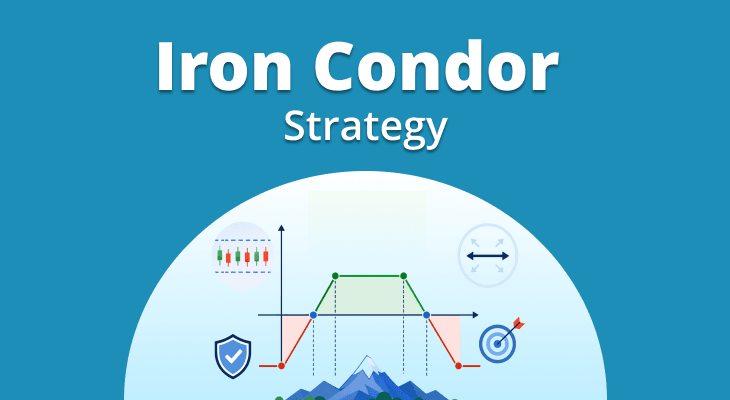
Markets do not always trend strongly. At times, prices remain within a narrow range, making directional trades more challenging. The iron condor strategy is designed for these market conditions. It doesn’t rely on a bullish or bearish outlook. It aims to generate returns when the underlying asset remains within a predefined price range. With clearly defined risk and reward, it has become a widely used approach among traders looking to capitalise on range-bound markets while maintaining controlled exposure.
FAQ
Central Depository Services Limited - Electronic Access to Securities Information (CDSL EASI) is a digital interface designed to simplify the handling and oversight of your securities investments and activities. Its primary function is to enhance your engagement with the securities marketplace, provide insights into your demat account, and enable secure operations as needed.