
December 24, 2024 | 4 min read
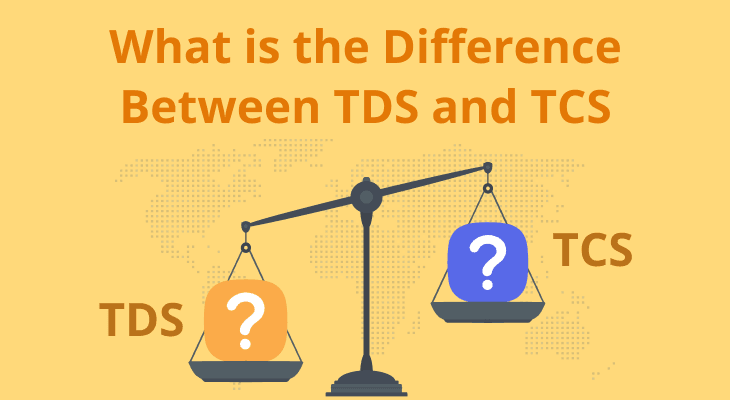
What is the Difference Between TDS and TCS
Taxes are an integral part of every country's financial system, and understanding the technicalities of tax rules is critical for good personal financial management. In India, the government charges different taxes to generate revenue, which is subsequently used to fund the country's growth. Two essential tax systems, TDS (Tax Deducted at Source) and TCS (Tax Collected at Source), play critical roles in tax collection. They may seem similar at first glance, yet there are substantial differences between the two. They serve distinctive purposes and are subject to various regulations. Let us discuss what TCS and TDS are, highlight their vital differences, and provide examples to help clarify these concepts.
What Is TDS?
Tax Deducted at Source (TDS) is a system in which tax is deducted directly from the income source. The payer deducts TDS at the prescribed rates and pays it to the government on behalf of the payee. This assures tax collection at the point of income generation. TDS is applied to a variety of earnings, including salary, interest, rent, and professional fees. Understanding the TDS approach helps ensure compliance and avoid fines. For instance, every month, your company deducts TDS from your salary and deposits it with the tax authorities.
What Is TCS?
Tax Collected at Source (TCS) is the tax that a seller collects from the buyer at the time of sale. The merchant collects TCS at the stipulated rates and deposits to the government. TCS applies to the sale of specified items, such as alcohol, tendu leaves, and minerals. The TCS full form emphasises its purpose: to collect taxes at the time of sale. For example, when you buy a car, the vendor may collect TCS from you and send it to the government. Understanding the TCS process is essential for both vendors and buyers to ensure compliance.
Comparison of TDS vs TCS
Understanding the differences between TCS and TDS is crucial for ensuring compliance with tax regulations. Below is a comparison of TDS vs TCS:
Characteristics | TDS | TCS |
Meaning | The payer collects tax at the source of income. | The seller collects tax from the customer at the time of sale. |
Responsibility | The person who makes the payment (deductor) is responsible for deducting and submitting TDS. | It is the seller's responsibility to collect and deposit TCS. |
Applicability | Applies to payments such as salary, interest, rent, professional fees, and commissions. | Applies to the sale of specific items such as timber, scrap metal, minerals, alcohol, and luxury automobiles. |
Rates | Varies depending on the type of income and the recipient's position. | Varies depending on the kind of items sold. |
Tax Deduction or Collection Period | Deducted at the time of payment or when it becomes due, whichever occurs first. | The seller collects it at the time of sale. |
Returns Filing | Quarterly returns (Form 24Q for salary, Form 26Q for other payments, and Form 27Q for NRIs). | Quarterly returns (Form 27EQ). |
Examples of TDS and TCS
TDS Example:
ABC Ltd. pays a monthly rent of ₹40,000 for a warehouse. The annual rent is ₹4,80,000, above the threshold of ₹2,40,000. ABC Ltd. will deduct 10% TDS (₹4,000) and pay ₹36,000 in monthly leasing rates. The warehouse owner will report ₹4,80,000 in gross income on their tax return and claim a TDS credit of ₹48,000.
TCS Example:
Mr. Sharma purchases ₹60,000 worth of tendu leaves from Mr. Mishra. Mr. Sharma will pay ₹60,000 + 5% TCS = ₹63,000 in total. Mr. Mishra will deposit the extra ₹3,000 as TCS with the government.
Effects of Failing to Deposit TCS and TDS
Failure to comply with TCS and TDS guidelines can lead to substantial fines and legal consequences. Here are the possible effects:
- Interest on Late Payment:
- TDS: 1% per month from the tax-deductible date to the actual deduction date.
- TCS: 1% every month from the date the tax becomes collectible until it is actually collected.
- Penalty: The Assessing Officer may apply a penalty equivalent to the amount of tax that is not deducted or collected.
- Prosecution: Severe instances of noncompliance may result in prosecution, with penalties ranging from three months to seven years of rigorous imprisonment, as well as fines.
- Late Fee: If TDS/TCS returns are not filed on time, there will be a late filing fee of ₹200 each day until the return is filed, up to a maximum okay equal to the TDS/TCS amount.
Conclusion
Understanding the TCS and TDS differences is crucial for both individuals and organisations seeking to comply with Indian tax regulations. Both are procedures that help the government collect tax income efficiently and effectively. Adherence to these tax regulations helps in avoiding legal penalties and ensuring a smooth financial operation.
More Related Articles

Understanding tax on buying gold and selling gold in India
 September 30, 2026 | 0 mins read
For generations, gold has symbolised not just wealth and financial security, but also tradition and prestige in Indian households. While physical jewellery and coins continue to be the preferred choice for many, investors today are increasingly exploring alternatives such as digital gold, Gold Exchange-Traded Funds (ETFs), and other gold-backed investments. Regardless of the form, understanding how tax on gold works is essential. This article explains the tax rules applicable to buying and selling different types of gold in India.
What is tax compliance
September 30, 2026 | 0 mins read
Whether you are a startup, small business, or an established company, ensuring income tax compliance and GST compliance (Goods and Services Tax compliance) is essential for smooth business operations. This article serves as a comprehensive guide to tax compliance in India.

New tax rules 2026: How to save tax in 2026?
August 6, 2026 | 0 mins read
The new Income Tax Act, 2025, replaces the long-standing Income Tax Act, 1961, to modernise, simplify, and streamline India’s direct tax system. Effective from April 1, 2026, the new tax rules introduce revised deduction and allowance provisions, rationalised Tax Collected at Source (TCS) rates, updated Income Tax Return (ITR) filing deadlines, and stricter compliance measures.
FAQ
Failure to deposit or collect TCS and TDS on time might result in various fines and legal implications. If you fail to deduct or deposit the TDS, you will be required to pay interest at the rate of 1% per month from the day the tax was deductible until it was deducted. Similarly, the interest rate on TCS is 1% per month from the moment the tax becomes payable until it is collected.