

March 27, 2025 | 7 min read
What is the Best Time to Buy and Sell Stocks?
Investing in the stock market can be a good way to grow your wealth, but identifying the right time to buy and sell stocks is important for maximising returns. Understanding the market timing is essential for anyone seeking to make informed investment decisions.
This blog aims to provide you with a clear perspective on when it might be ideal to enter or exit the stock market while considering factors that can influence your timing.
Understanding Market Timing
Market timing is the technique of making buy and sell decisions based on future stock price movements. While the concept of market timing may appear simple, it takes a combination of research, analysis, and a thorough understanding of market trends. Stock prices are heavily influenced by a variety of factors, including global economic conditions, corporate performance, and investor sentiment. Knowing when is the best time to buy and sell stocks will help you increase your chances of earning greater returns.
It is important to note that timing the market does not include predicting every movement; rather, it includes recognising opportunities when prices are favourable. Although it is impossible to predict market movements with perfect accuracy, many experienced investors use specific strategies to determine the best times to make their trades.
Factors Influencing the Best Time to Buy and Sell
Several factors can influence when you should buy or sell stocks. These include:
- Economic Conditions: Economic factors such as GDP growth, inflation, and interest rates have a considerable impact on the price of stocks. During times of economic growth, buying stock may provide good returns.
- Company Performance: Reviewing a company's earnings reports, financial health, and future prospects can help you decide whether to buy or sell its stock.
- Market Trends: The overall trend of the stock market, whether bullish or bearish, often impacts when investors act.
- Global Events: Political developments, international trade agreements, and global crises can all have an impact on stock market movements and timing decisions.
- Investor Sentiment: News and speculation can influence market sentiment, which in turn affects stock prices. Staying informed about market trends allows you to make logical rather than emotional decisions.
- Seasonal Patterns: Historical data reveals that specific periods of the year have increased market activity, which can influence when to buy and sell stocks.
- Sector-Specific Trends: Certain industries perform better under certain economic conditions. For example, technology stocks frequently outperform during periods of innovation and economic growth.
The Best Time to Buy Stocks
While there is no universal rule for the best time to buy stocks, certain strategies can help you make better decisions:
- Buy During Market Corrections: Buying stocks during a market downturn can offer you the chance to acquire quality shares at lower prices. Many investors follow the principle of “buying low” to maximise long-term gains.
- Before Dividend Announcements: Companies often experience an increase in stock prices before dividend payouts. Investing in such stocks beforehand can allow you to benefit from both dividends and potential price increases.
- Invest in Undervalued Stocks: Stocks trading below their intrinsic value, determined through fundamental analysis, can offer long-term growth potential.
- End of a Bear Market: A bear market is characterised by declining stock prices. When this phase ends, prices begin to stabilise and rise, making it an excellent time to invest.
- During IPOs: Upcoming IPO (Initial Public Offering) provides opportunities to buy stocks of companies entering the market. However, detailed research is necessary to assess the company’s growth potential.
- Focus on the Opening and Closing Hours: In India, stock market activity is often higher during the opening and closing hours, making it the right time for traders to spot trends.
The Best Time to Sell Stocks
Knowing when to sell stocks is just as important as knowing when to buy them. Consider selling your stocks under the following circumstances:
- Target Price Achievement: If your stock has reached the price target you set while purchasing it, selling may be a wise move.
- Fundamental Deterioration: If the company’s fundamentals, such as revenue growth or profit margins, start to weaken, it may be time to sell.
- Market Bubbles: During periods of excessive optimism, stock prices may become overvalued. Selling at such times can help you lock in profits.
- Portfolio Rebalancing: To maintain a diversified portfolio, you might need to sell stocks periodically and reallocate funds.
- Before Major Uncertainty: If significant uncertainty, such as a major economic event or corporate restructuring, looms, selling stocks may help you minimise risks.
- Financial Needs: If you require funds for personal or financial commitments, selling stocks can provide liquidity. However, ensure that the decision aligns with your overall financial plan.
The Impact of Market Trends on Timing
Market trends play a key role in determining the best time to buy and sell stocks. A bullish market, where prices are rising, is often a favourable time to sell, while a bearish market can present opportunities to buy undervalued stocks. Understanding these trends requires continuous monitoring of market movements and an ability to interpret key data points.
Seasonal trends, such as the January Effect (when stock prices often rise in the new year), or the post-Diwali period in India, can also influence market behaviour. By aligning your investment decisions with these trends, you can improve your portfolio’s performance.
Day Trading vs. Long-Term Investing
Your approach to investing greatly influences your timing decisions. Day trading involves buying and selling stocks within a single trading day, aiming to profit from short-term price movements. Suitable for experienced traders, day trading requires in-depth market analysis and requires quick decision-making, technical analysis, and a high tolerance for risk.
Long-term investing, on the other hand, focuses on holding stocks for extended periods. This strategy allows you to benefit from compounding and market growth over time. This approach is ideal for investors seeking stable returns over time. While timing is less critical in long-term investing, purchasing when the market is down and selling when stocks are overvalued can optimise your returns.
Both approaches have their benefits and drawbacks. Your choice depends on your risk tolerance, investment goals, and the time you can invest in managing your portfolio.
Key Indicators to Determine Buying and Selling Times
Several indicators can help you decide when to buy or sell stocks:
- Price-to-Earnings (P/E) Ratio: A low P/E ratio can signal undervalued stocks worth buying, while a high ratio may indicate overvaluation, suggesting it’s time to sell.
Read Also: What is Price-to-Earnings (P/E) Ratio?
- Moving Averages: Analysing moving averages can help you identify trends and potential reversals in stock prices. The 50-day and 200-day moving averages provide insights into stock price trends.
- Relative Strength Index (RSI): RSI measures the momentum of a stock. A value above 70 indicates overbought conditions, while below 30 signals oversold conditions.
- Volume Trends: An increase in trading volume often indicates strong investor interest, which can signal price movements.
- Earnings Reports: Quarterly earnings announcements can impact stock prices significantly. Positive results may indicate a buying opportunity, while negative results could be a signal to sell.
- Economic Data: Monitoring indicators like inflation, unemployment rates, and industrial production can help you gauge the market’s direction.
- Technical Analysis: Chart patterns, support and resistance levels, and other technical indicators can guide your buying and selling decisions.
Read Also: Technical Analysis of Stocks
Conclusion
The best time to buy and sell stocks depends on a combination of market analysis, economic factors, and your personal financial goals. While no strategy guarantees success, informed decision-making and a disciplined approach can significantly increase your investment outcomes. Staying updated on market trends, utilising key indicators, and using the strategies discussed above can enhance your decision-making process
More Related Articles

ETF trading rules from 7 September: What changes for retail investors?
 September 7, 2026 | 0 mins read
If there was no trade during the final 30 minutes on the previous day, the exchange will use that day’s last traded price. If there was no trade at all on the previous day, the latest available closing NAV will be used. The base price will also be adjusted for corporate actions, if applicable. From April 1, 2027, SEBI expects stock exchanges and mutual fund AMCs to use the previous day’s closing NAV as the base price after resolving operational issues.

How MSCI rebalancing tested India's Closing Auction System on August 31
September 2, 2026 | 0 mins read
India’s new Closing Auction Session (CAS) processed a record ₹39,718 crore turnover, on 31 August 2026 as MSCI India Index latest index rebalancing took effect at the market close. The event showed that CAS could handle an exceptional concentration of institutional flow. However, there were some sharp, and sometimes counterintuitive, stock moves. This shows that the quality of closing-price discovery is still being tested.
How Traders Use Maximum Drawdown to Manage Portfolio Risk?
August 19, 2026 | 0 mins read
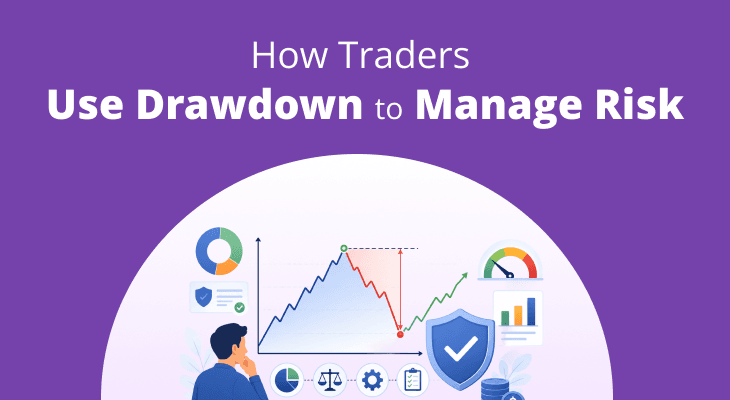
When evaluating an investment or trading strategy, returns usually receive the most attention. However, returns alone do not tell investors how much risk was taken to achieve them. Two portfolios may deliver the same annual return, but one may have experienced far steeper losses during market downturns. This is where max drawdown becomes useful. It measures the largest decline in the value of a portfolio, trading account, or investment from its highest point to its lowest point before a new peak is reached. Instead of focusing only on profits, it shows the worst historical loss an investor would have experienced by staying invested.
FAQ
To identify undervalued stocks, analyse metrics like the P/E ratio, price-to-book ratio, and dividend yield. Researching the company’s financials and growth potential is also crucial.