
March 23, 2026 | 11 min read
How Anchoring Bias Influences Stock Market Decisions
When you participate in the stock market, you believe your decisions are driven by analysis, numbers, and experience. However, behavioural tendencies often influence judgement more than you realise. One such tendency is anchoring bias, a psychological habit that fixes your thinking around an initial reference point, such as a past price or expectation. This anchoring effect subtly influences how you judge value, assess risk, and react to market changes. The anchoring bias's meaning lies in your mind’s preference for familiar figures, even when they are no longer relevant. By understanding how anchoring bias works, you can identify flawed assumptions, challenge price-based thinking, and make investment decisions that are grounded in current realities rather than outdated reference points.
What Is Anchoring Bias?
Anchoring bias refers to the tendency to rely too heavily on the first piece of information you encounter when making decisions. Once that initial reference point is set, your mind subconsciously compares all subsequent information against it, even if the anchor is outdated or irrelevant. In investing, anchors often take the form of past stock prices, purchase costs, analyst targets, or IPO issue prices. Even when fresh data emerges, your judgement remains tied to that initial figure. This can distort your assessment of value, leading you to hold losing stocks too long or hesitate before acting on better opportunities. Anchoring bias is not a lack of intelligence. It is a natural cognitive response designed to simplify complex decisions, but in volatile markets, this shortcut can work against you.
Anchoring Effect in Stock Market Decisions
When you make stock market decisions, your mind often looks for familiar reference points to simplify complex choices. This is where the anchoring effect quietly steps in, influencing how you interpret prices, trends, and risks. The following are the key ways the anchoring effect shapes stock market behaviour.
Fixation on Purchase Price
Once you buy a stock, the entry price often becomes your mental benchmark. You may judge future performance, selling decisions, or averaging choices based on this number, even if the company’s fundamentals or market conditions have changed significantly.
Reliance on Past Highs and Lows
Investors frequently anchor to a stock’s previous peak or 52-week high. This can create unrealistic expectations of a rebound, causing you to hold on longer than warranted or ignore signs of structural weakness in the business.
IPO Price as a Reference Point
In newly listed stocks, the issue price becomes an anchor. Investors often compare post-listing prices to the IPO price rather than reassessing valuation, growth prospects, or competitive pressures, which can distort investment judgement.
Analyst Targets Influencing Decisions
Published target prices can act as strong anchors. Once seen, they may overshadow your own analysis, leading you to hold or buy a stock simply because it appears below a stated target, regardless of updated information.
Index Level Anchoring
Broader market levels, such as Sensex or Nifty milestones, can anchor expectations. When markets hover near familiar numbers, investors may underestimate downside risk or overestimate upside potential based on psychological comfort zones rather than data.
Why Anchoring Bias Happens
Anchoring bias does not occur randomly. It is rooted in how your brain processes information, especially when dealing with uncertainty, numbers, and fast-moving markets. In investing, where decisions often involve risk and incomplete data, the mind naturally looks for familiar reference points. This is where anchoring bias and the anchoring effect begin to influence judgement.
Reliance on First Information
You tend to give excessive importance to the first piece of information you encounter, such as an initial stock price or IPO issue price. This early figure becomes a mental anchor, even when newer data suggests the situation has changed.
Mental Shortcuts Under Pressure
The stock market demands quick decisions. To reduce effort, your brain uses shortcuts. Anchoring helps simplify choices, but this convenience often overrides deeper analysis, reinforcing anchoring bias in real-time decision-making.
Emotional Comfort with Familiar Numbers
Previously seen prices feel safe and familiar. You may resist adjusting your expectations because moving away from the anchor creates discomfort, even if fundamentals clearly justify a new valuation.
Fear of Missing Out or Regret
Anchors are strengthened by emotions. Fear of buying too high or selling too low makes you cling to past reference points, distorting rational judgement and reinforcing the anchoring effect.
Difficulty Updating Beliefs
Once an anchor is set, the mind struggles to adjust fully. Even when new information arrives, you tend to make only small changes around the anchor instead of reassessing the situation objectively.
Impact of Anchoring Bias on Investors
Anchoring bias can quietly distort your investment judgement, especially when markets move rapidly or uncertainty rises. By clinging to familiar numbers or past experiences, you may overlook new information that should influence your decisions. Understanding the impact of this behaviour helps you identify where logic gives way to habit.
Distorted Price Judgement
The anchoring effect often causes you to fixate on an earlier price, such as a stock’s previous high or purchase cost. Even when fundamentals change, your expectations remain anchored, leading to unrealistic return assumptions or hesitation in reacting to new market signals.
Delayed Decision-Making
When influenced by anchoring bias, investors tend to wait for prices to return to an “anchor level.” This can result in missed opportunities or delayed exits, especially in fast-moving markets where conditions rarely revert to old benchmarks.
Misjudged Risk Exposure
Anchoring can reduce your sensitivity to changing risks. By focusing on historical comfort levels, you may underestimate emerging threats or overestimate safety, leading to poorly balanced portfolios and exposure mismatches.
Resistance to New Information
Once an anchor forms, contradictory data is often ignored or discounted. This behaviour limits adaptability and reduces the effectiveness of research, especially during earnings surprises, macroeconomic shifts, or regulatory changes.
Emotional Investment Decisions
An anchoring bias example is holding a losing stock simply because you remember its earlier value. An emotional attachment to that reference point can override rational analysis, thereby increasing the likelihood of prolonged losses.
Anchoring Bias Example in Investing
Here are the different anchoring bias examples that will help you understand the concept:
Everyday Anchoring Bias Examples
- MRP-Based Judgement
When a product shows an MRP of ₹5,000 but is offered at ₹3,500, you may feel you are getting a great deal, even if the actual market value is much lower. The MRP becomes the anchor, shaping perceived savings. - Real Estate Pricing
A flat initially quoted at ₹1.2 crore may later be offered at ₹1 crore. Even if comparable properties sell for ₹90 lakh, buyers remain anchored to the initial price and consider ₹1 crore reasonable.
Anchoring Bias in Stock Market Investing
- Purchase Price Fixation
If you buy a stock at ₹800 and it falls to ₹550, you may delay selling, waiting for it to “come back” to ₹800, even though company earnings or sector outlook have weakened significantly. - IPO Issue Price Reference
A stock lists at ₹120 after an IPO priced at ₹150. Many investors treat ₹150 as the fair value and assume the stock is undervalued, without reassessing business fundamentals or post-listing risks. - Previous High Levels
A stock that once traded at ₹2,000 but now trades at ₹1,400 may still be viewed as attractive simply because of its past high, even though profit growth has slowed.
Anchoring Bias in Market Forecasting
- Index Level Fixation
If the Sensex has hovered around 75,000 for months, analysts may project targets close to that level, ignoring historical volatility or changing economic conditions. - Target Price Influence
Once a brokerage assigns a target price of ₹1,100, investors may continue holding the stock even when revised earnings suggest a lower valuation is justified.
Anchoring bias is widely and deliberately used across industries, often in ways that feel natural and harmless. Businesses apply it to shape perception, influence choices, and steer decisions, while many consumers and investors remain unaware of its impact. The following are the real-world applications of anchoring bias:
- Menu Pricing Strategies
Restaurants often position their highest-priced dishes at the very top of the menu. Once you see an item priced at ₹2,500, every option below it appears more reasonable, even if those prices are still above average. The first number silently sets your spending comfort zone.
- Smaller Pack, Lower Ticket Price
During periods of lower disposable income, FMCG brands introduce smaller pack sizes at lower absolute prices. You focus on paying ₹10 instead of ₹20, even though the cost per gram is higher. The lower headline price becomes the anchor.
- Psychological Price Endings
A price of ₹999.90 feels significantly cheaper than ₹1,000, despite the difference being negligible. The first digit anchors your perception, creating a sense of value and urgency that improves sales conversion.
- Cultural Price Benchmarks
In the early 20th century, the diamond industry popularised the idea that an engagement ring should cost a fixed multiple of monthly income. That figure became a long-standing reference point, despite having no economic basis.
- Artificial Scarcity Tactics
When companies restrict the quantity a customer can buy, it triggers the belief that the product is highly desirable or limited. This anchor around scarcity pushes buyers to purchase quickly or accept higher prices than they originally intended.
- Idea Dominance in Meetings
In corporate discussions, the first suggestion often shapes the direction of the entire conversation. Subsequent ideas are subconsciously compared to the first, reducing independent evaluation.
- Forecasting and Research Bias
Analysts and professionals may rely heavily on the most recent data points or popular reference levels. This anchoring to current figures can limit broader historical analysis and skew expectations.
- Negotiation Anchors
In price negotiations, the opening quote strongly influences the outcome. If a seller starts at ₹50 lakh, your counteroffer is likely to stay closer to that figure, even if your original target was ₹30 lakh.
These examples show how anchoring bias quietly frames decisions across pricing, marketing, negotiations, and investing. Being aware of it helps you pause, reassess reference points, and make more independent, rational choices.
How to Overcome Anchoring Bias
Anchoring bias can quietly distort your judgement, especially when markets move quickly or emotions run high. The good news is that it is not permanent. With awareness and structured decision-making, you can reduce the influence of anchoring bias and improve the quality of your investment choices. Here are some practical ways to overcome it:
Question Your Reference Point
Whenever you catch yourself fixating on a past price, IPO level, or previous high, pause and ask whether that number is still relevant. Markets evolve constantly, and relying on outdated anchors weakens rational decision-making.
Focus on Current Fundamentals
Shift attention away from historical prices and towards present fundamentals such as earnings growth, cash flows, balance sheet strength, and industry trends. This helps you counter the anchoring effect with objective, up-to-date information.
Use Valuation Ranges, Not Single Numbers
Avoid forming opinions around one fixed value. Instead, work with valuation bands or scenarios. Thinking in ranges reduces the psychological pull of a single anchor and encourages flexibility in judgement.
Adopt Rule-Based Investing
Pre-defined rules for entry, exit, and portfolio rebalancing help limit emotional reactions. A disciplined framework reduces the influence of anchoring bias rooted in past experiences or price memories.
Seek Contrarian Perspectives
Actively look for views that challenge your assumptions. Reading opposing analyses or discussing ideas with others helps break mental fixation and encourages balanced thinking.
Review Decisions, Not Outcomes
Regularly evaluate why you made a decision rather than whether it made money. This reflection helps identify patterns where anchoring influenced your thinking and strengthens long-term behavioural discipline.
Tips to Avoid the Anchoring Effect in Investing
Below are the key points that you must keep in mind:
Reassess Using Current Data
Always base decisions on the latest financials, valuations, and sector trends rather than past prices or entry points. A stock’s relevance depends on today’s fundamentals, not what you paid for it.
Detach Emotion from Purchase Price
Treat your buy price as history, not a target. Whether a stock was bought at ₹500 or ₹1,000 should not influence whether you hold, add, or exit today.
Use Valuation Ranges, Not Single Numbers
Avoid fixating on one price or target. Work with fair-value bands and scenario-based estimates to reduce dependence on any single reference point.
Review Fresh Investment Thesis Regularly
Update your investment thesis whenever earnings, management guidance, or industry dynamics change. This forces you to break away from outdated anchors.
Compare With Alternatives
Ask yourself where the money would go if you exited the position today. Comparing opportunity costs helps reset your thinking.
Rely on Checklists, Not Intuition
Structured checklists for buying and selling reduce impulsive decisions influenced by anchors like 52-week highs or IPO prices.
Separate Market Noise From Reality
Analyst targets, past highs, and headline numbers can act as anchors. Treat them as inputs, not conclusions.
Set Exit Rules in Advance
Pre-defined stop-losses and profit-booking rules help prevent decisions driven by emotional attachment to anchor prices.
Conclusion
Anchoring bias is one of the most subtle yet influential behavioural traps in investing. By tying your judgement to past prices, initial estimates, or emotional reference points, it quietly shapes how you interpret market movements. Understanding anchoring bias meaning, recognising the anchoring effect, and learning from each anchoring bias example allows you to step back and evaluate investments with greater clarity. Markets reward adaptability, not attachment. When you learn to question your anchors and reassess decisions based on current information, you gain a sharper, more disciplined investing mindset. Over time, this behavioural awareness can be just as valuable as financial knowledge itself.
More Related Articles
How Traders Use Maximum Drawdown to Manage Portfolio Risk?
 August 19, 2026 | 0 mins read
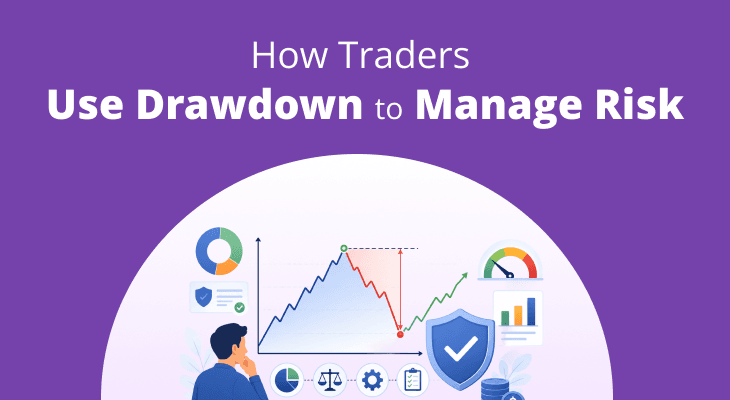
When evaluating an investment or trading strategy, returns usually receive the most attention. However, returns alone do not tell investors how much risk was taken to achieve them. Two portfolios may deliver the same annual return, but one may have experienced far steeper losses during market downturns. This is where max drawdown becomes useful. It measures the largest decline in the value of a portfolio, trading account, or investment from its highest point to its lowest point before a new peak is reached. Instead of focusing only on profits, it shows the worst historical loss an investor would have experienced by staying invested.
Iron Butterfly vs Iron Condor: Which Strategy Is Better?
August 19, 2026 | 0 mins read
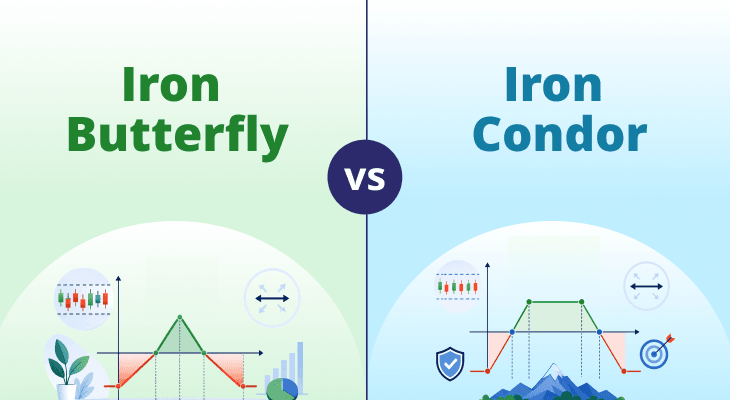
Options trading is not always about predicting the next big market move. At times, the market trades within a narrow range, creating opportunities for strategies that benefit from stability rather than direction. Two of the most widely used neutral strategies are the iron butterfly strategy and the iron condor options strategy. While both strategies use four option contracts and defined risk, they do not behave in the same way. Differences in strike selection, profit range, and risk-reward dynamics can significantly affect trading outcomes. Understanding the difference between an iron condor and an iron butterfly can help you select a strategy that matches your market expectations and trading objectives.
Iron Condor Strategy
August 19, 2026 | 0 mins read
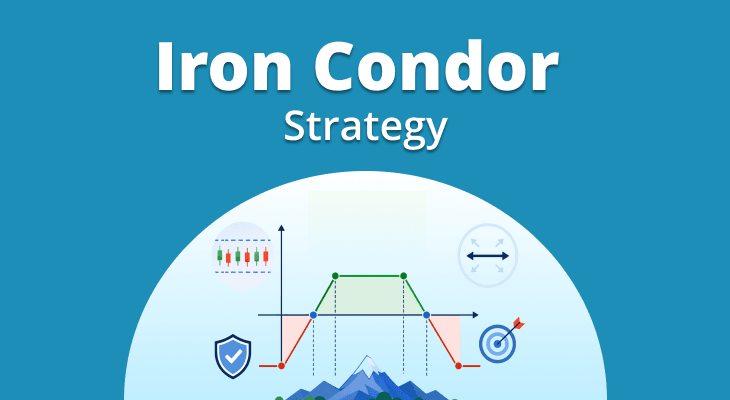
Markets do not always trend strongly. At times, prices remain within a narrow range, making directional trades more challenging. The iron condor strategy is designed for these market conditions. It doesn’t rely on a bullish or bearish outlook. It aims to generate returns when the underlying asset remains within a predefined price range. With clearly defined risk and reward, it has become a widely used approach among traders looking to capitalise on range-bound markets while maintaining controlled exposure.
FAQ
The anchoring effect refers to the tendency to rely excessively on initial information, such as past prices or estimates, when making financial decisions. This reference point influences judgement even when newer, more relevant information becomes available.