

February 26, 2025 | 6 min read
What are Options Contracts: Features & Types
Options contracts are financial instruments that are widely used in the financial markets for hedging, speculation, or enhancing portfolio returns. A good understanding of options contracts and their types is vital before using them. Here’s everything you need to know.
What Is an Options Contract?
An options contract is a legal agreement between two parties – the buyer and the seller. It provides the buyer the right to trade an underlying asset, such as commodities, indices, or stocks, at a specified price (called the strike price) before or on the contract's expiry date.
Options are derivatives, meaning their value is derived from the performance of the underlying asset. They are traded on exchanges and come with standardised terms, such as the contract size and expiration date.
An options contract example can be; a trader buys a call option on ABC stock with a strike price of ₹ 1,000 and an expiry of one month. This allows them to purchase the stock at ₹ 1,000, regardless of its market price before expiry.
Benefits of Options Contracts?
Before getting into the features and types of options contracts, let us first find out their benefits and why traders use them.
No Obligation for Buyers: Unlike obligations in futures contracts, buyers of options are not required to exercise the contract. They can choose to let the contract expire if it’s not profitable, ensuring more control over decisions.
Flexibility in Strategies: Options offer a wide range of strategies to suit different investment goals and risk appetites. Traders can use options for hedging, income generation, or speculative purposes, allowing for greater customisation compared to other financial instruments.
Leverage Potential: Options allow investors to control large positions with a smaller capital outlay. By paying a fraction of the asset’s price (the premium), traders can achieve amplified returns on favourable movements in the underlying asset.
Risk Management: Options provide an effective way to hedge against price volatility. For instance, a put option can serve as an insurance policy, protecting against potential losses in a stock portfolio by allowing the holder to sell at a predetermined price.
Profit in Various Market Conditions: Unlike traditional investments that typically rely on upward price movements, options can be profitable in bullish, bearish, and even neutral markets. Strategies like straddles or strangles take advantage of market volatility in either direction.
Limited Loss for Buyers: Buyers of options contracts face limited risk since the maximum loss is restricted to the premium paid. This contrasts with other leveraged instruments like futures, where losses can exceed the initial investment.
Income Generation for Sellers: Sellers of options earn the premium upfront, which can serve as a steady income stream. Covered call strategies, for example, allow stockholders to earn premiums while holding their shares.
Diversification of Portfolios: Options allow traders to diversify their portfolios by offering access to different asset classes, such as stocks, commodities, indices, and currencies, without requiring full ownership of the assets.
Customisable Risk-Reward Profiles: Options can be tailored to balance risk and reward. For example, combining different types of options (call and put) enables traders to adjust exposure to various levels of potential gains and losses.
Market Volatility Advantage: Increased market volatility can enhance the value of options, especially for contracts nearing their expiration date. This makes options particularly attractive in volatile market conditions.
Key Features of an Options Contract
Right Without Obligation: An options contract provides the buyer the right, but not the obligation, to buy or sell the underlying asset. This distinction makes options different from futures, where both parties are obligated to fulfil the contract terms.
Underlying Asset: The value of an options contract is tied to an underlying asset, such as stocks, commodities, indices, or currencies. The performance of this asset determines whether the option will be profitable.
Premium Payment: To acquire an option, the buyer must pay a premium to the seller. This is a non-refundable amount and represents the cost of the potential opportunity. Sellers earn this premium as compensation for the risks they take.
Strike Price: The strike price is the agreed-upon price at which the underlying asset can be bought (in a call option) or sold (in a put option). The relationship between the strike price and the asset’s market price is crucial in determining the option’s value.
Expiration Date: Options contracts have a fixed expiration date, after which the buyer can no longer exercise their rights. This time limitation impacts the premium, with contracts closer to expiration generally costing less.
Standardised Terms: Options traded on exchanges have standardised terms, including the contract size, expiration dates, and strike prices. The benefit of this standardisation is liquidity and ease of buying and selling the contracts.
Leverage: Options allow traders to control a large position with a relatively small investment, offering the potential for high returns. However, this leverage also magnifies potential losses.
Settlement Mechanism: Options can be settled in two ways:
Physical Settlement: The actual asset is transferred between parties.
Cash Settlement: The profit or loss is paid in cash without transferring the asset.
Intrinsic and Extrinsic Value: The price of an option has two components:
Intrinsic Value: The difference between the strike price and the current market price, if favourable.
Extrinsic Value: The additional premium based on time remaining, market volatility, and other factors.
Volatility Sensitivity: Options pricing is highly sensitive to volatility in the underlying asset. Greater volatility increases the likelihood of profitable price movements, resulting in higher premiums.
By understanding these features, traders can better evaluate options contracts and determine their suitability for various investment strategies.
Types of Options Contracts
Options contracts are broadly categorised based on the rights they provide to the holder:
1. Call Options
Definition: Call options give the buyer the right to purchase the underlying asset at the strike price.
Use: Traders buy call options when they expect the price of the underlying asset to increase.
Call Options Contract Example: A trader purchases a call option on XYZ stock with a strike price of ₹ 500. If XYZ’s price rises to ₹ 600, the trader can buy it at ₹ 500 and sell at ₹ 600 for a profit.
2. Put Options
Definition: Put options grant the buyer the right to sell the underlying asset at the strike price.
Use: Traders use put options when they anticipate a decline in the asset’s price.
Put Options Contract Example: A trader holds a put option on ABC stock with a strike price of ₹ 1,200. If ABC’s price falls to ₹ 1,000, the trader can sell at ₹1,200 and secure a profit.
Conclusion
Options contracts are versatile financial instruments that cater to different investor needs, from risk management to speculative gains. Whether you're a novice or an experienced trader, options can enhance your trading toolkit when used wisely. Do remember, options require a deep understanding of market dynamics and technicalities. Moreover, sellers can potentially face significant losses if the market moves against their position. Understanding their features, types, and strategies is crucial for leveraging them effectively.
More Related Articles

How Rising Oil Prices Impact Stock Market Investments
 October 9, 2026 | 0 mins read
A petroleum price hike, driven by rising global crude oil prices, can have far-reaching consequences for the economy and financial markets worldwide. As India imports over 88% of its crude oil requirements, understanding the impact of rising oil prices on stock market investments is essential for investors.
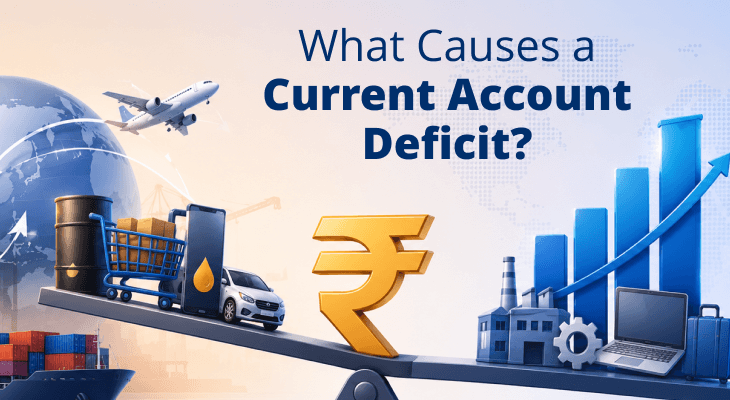
Understanding the meaning and impact of a current account deficit on an economy
October 9, 2026 | 0 mins read
The current account is an important component of a country’s balance of payments. A current account deficit occurs when a country’s total payments to the rest of the world exceed its total earnings from abroad. These payments include imports of goods and services, investment income paid to foreign investors, and current transfers. These earnings include receipts from exports of goods and services, income earned from overseas investments, and current transfers such as remittances. A country’s current account deficit is generally expressed as a percentage of its gross domestic product (GDP).

Revenge trading meaning explained: Causes, impact, and how to avoid it
October 9, 2026 | 0 mins read
in revenge trade, they are often driven by emotions such as anger, frustration, fear, or disappointment rather than sound analysis. In the process, they overlook carefully planned trading strategies designed around their financial goals, investment horizon, and risk appetite. More often than not, revenge trading results in further losses, creating a vicious cycle that becomes increasingly difficult to escape.
FAQ
Options contracts are financial agreements giving the buyer the right, but not the obligation, to buy or sell an underlying asset at a specified price before a set expiration date. These are used for hedging, speculation, or managing portfolio risks.