
April 7, 2026 | 5 min read
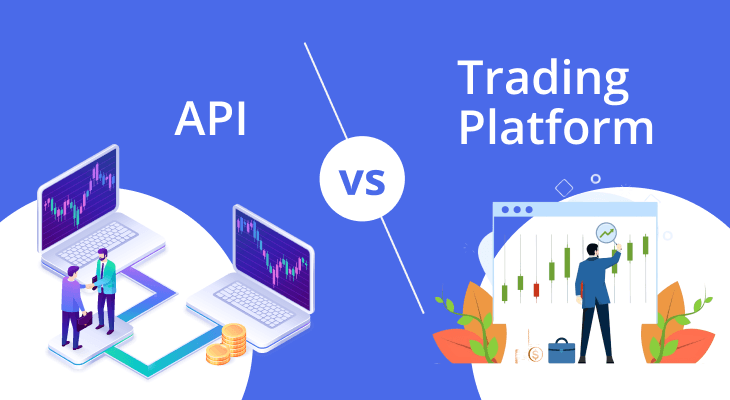
What is the difference between Trading API and a trading platform?
Digital or online trading today is all-encompassing, offering you more choice than ever before. You can trade directly through a visual interface. Alternatively, you can also connect to software that trades on your behalf. Both these approaches serve the same market, yet they assist your trading styles in very different ways.
Many traders use tools that do not match their goals and trade inefficiently. Hence, knowing how an online trading platform differs from a trading API is crucial if you’re actively trading. It will help you decide how much control, speed and technical involvement you truly want.
What does a trading platform do?
A trading platform connects you with the stock market if you trade manually. Through this platform, you can view prices, analyse charts, place orders and monitor positions. For example, with m.Stock, you get access to the platform via the web browser or the mobile app.
Interaction with a trading platform
You manually log in to your chosen trading platform or app. Here’s the typical flow:
- Select instruments
- Enter order details
- Confirm trades using on-screen controls
Additionally, charts, indicators and order books help you make informed real-time decisions. This setup supports deliberate trading rather than automated execution.
Who benefits from trading platforms?
This kind of setup suits you if you prefer hands-on involvement with complete control over your trades. For discretionary traders, beginners and those who rely on visual analysis, it works quite well.
What is a trading API and how does it work?
An API trading platform functions very differently from a manual stock market trading platform. It operates through a set of technical instructions that allow software to communicate directly with a broker’s trading system.
How API in trading communicate with trading systems
An API acts as a bridge between your program and the exchange infrastructure. Your code sends requests such as placing an order or fetching live prices. The system responds with confirmations and data, often within fractions of a second.
Automation with API
APIs enable online stock trading without constant human input. Once you define rules and logic, trades execute automatically when conditions match. This approach reduces delays and removes emotional decision-making from your end.
How does manual trading differ from API-based trading in practice?
If you observe the real market conditions, the difference between these two approaches becomes very clear. Manual trading depends on your reaction and judgment. At the same time, API trading relies on pre-written logic based on strategies.
- Speed and consistency: Your manual trades will involve some decision time and execution delays. And it depends on your speed, conviction and experience. On the flip side, API-based trades trigger instantly once your specified conditions are met. This offers you consistent execution every single time.
- Decision-making approach: When you trade manually, emotions can influence the timing and size of the trade. API trading removes this variable. Hence, the system follows your predefined rules without hesitation or bias.
What level of customisation does each option offer?
Customisation is an important factor when you are deciding how closely your trading tools align with your strategy. Here is why the gap between platforms and APIs is visible:
- Platform-based customisation: With trading platforms, you get built-in indicators, chart settings and alerts. With this, you can adjust your dashboards' or trading terminals’ layouts and preferences, but only within the platform’s limits. Advanced logic usually stays out of reach.
- API-driven flexibility: APIs, on the other hand, allow much deeper customisation. Thus, you design your own indicators, risk rules and execution logic. You can also integrate trading with analytics tools or external databases.
Who should use a trading API instead of a platform?
Despite its usefulness, a trading API is not suitable for everyone. That’s because it demands preparation, discipline, and technical understanding.
For starters, there are skills and resources required. You need programming knowledge or access to technical expertise. You must also test strategies thoroughly before deploying them live. This preparation reduces any chances of avoidable errors.
Trading styles that benefit from APIs
APIs will naturally suit your rule-based strategies and algorithmic trading. Especially if you benefit from systematic execution. They also help when you need to process large volumes of market data efficiently.
What risks should you consider before choosing either option?
Every trading method carries risk, but the source of that risk differs. Take a look at how these platforms can be risky in their own way:
- Manual platform trading: Generally, manual trading exposes you to emotional decisions and delayed execution. Furthermore, sudden price moves can affect your judgment, especially during high volatility.
- API trading: Automated trading introduces serious technical risk for inexperienced traders with new strategies. And then there’s the risk of coding errors or system failures. To avoid unintended trades, you must continuously monitor and employ safeguards.
Which approach suits your trading goals?
The right choice predominantly depends on your personal objectives, experience and comfort with technology.
- Platform: If you want more transparency and prefer keeping manual oversight, then a trading platform works well. It even supports learning and testing your new ideas.
- API: Is your requirement speed and consistency? Then an API will suit you better, even as you scale. We recommend you pair it with a disciplined strategy design and proper risk controls.
Conclusion
Platforms support manual decision-making for your trades through a clear interface. Whereas APIs enable automated execution through code and your trading logic. However, neither option removes market risk, and both require discipline.
As your experience grows, you may use both together for different purposes. Do you want access to modern trading API infrastructure with zero integration or recurring costs? Consider opening an account with m.Stock to enjoy trading options like API, web platform, mobile app, and more, all with transparent pricing.
More Related Articles
How Traders Use Maximum Drawdown to Manage Portfolio Risk?
 August 19, 2026 | 0 mins read
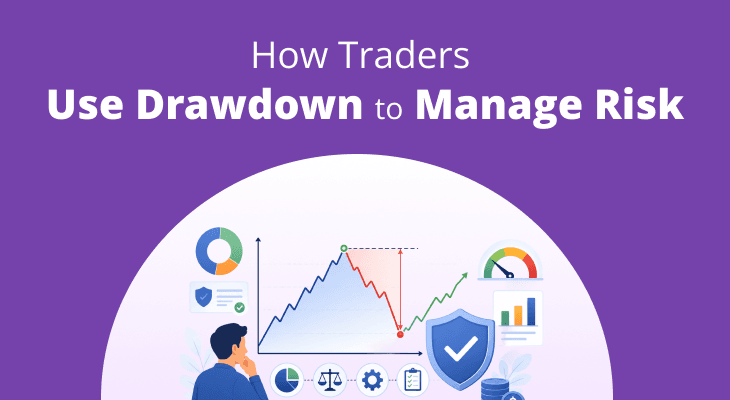
When evaluating an investment or trading strategy, returns usually receive the most attention. However, returns alone do not tell investors how much risk was taken to achieve them. Two portfolios may deliver the same annual return, but one may have experienced far steeper losses during market downturns. This is where max drawdown becomes useful. It measures the largest decline in the value of a portfolio, trading account, or investment from its highest point to its lowest point before a new peak is reached. Instead of focusing only on profits, it shows the worst historical loss an investor would have experienced by staying invested.
Iron Butterfly vs Iron Condor: Which Strategy Is Better?
August 19, 2026 | 0 mins read
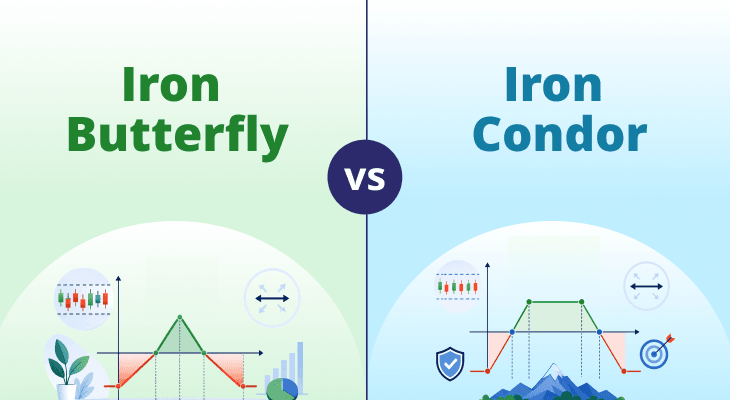
Options trading is not always about predicting the next big market move. At times, the market trades within a narrow range, creating opportunities for strategies that benefit from stability rather than direction. Two of the most widely used neutral strategies are the iron butterfly strategy and the iron condor options strategy. While both strategies use four option contracts and defined risk, they do not behave in the same way. Differences in strike selection, profit range, and risk-reward dynamics can significantly affect trading outcomes. Understanding the difference between an iron condor and an iron butterfly can help you select a strategy that matches your market expectations and trading objectives.
Iron Condor Strategy
August 19, 2026 | 0 mins read
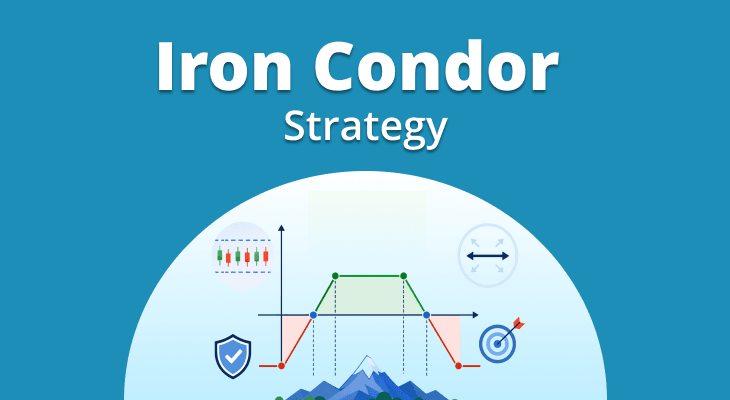
Markets do not always trend strongly. At times, prices remain within a narrow range, making directional trades more challenging. The iron condor strategy is designed for these market conditions. It doesn’t rely on a bullish or bearish outlook. It aims to generate returns when the underlying asset remains within a predefined price range. With clearly defined risk and reward, it has become a widely used approach among traders looking to capitalise on range-bound markets while maintaining controlled exposure.