
December 24, 2024 | 5 min read
What is LTP in the Share Market?
Stock trading has become an increasingly popular way for people to meet their various financial goals. Whether it is taking a vacation, buying a car, or something long term like planning your retirement; stock trading, if done right, can help you accomplish these diverse objectives. However, being successful in the share market requires sound knowledge of the various concepts and terms used in stock trading. LTP – for example. If you have ever wondered what LTP is in the share market, then let us help you understand the concept and explain why it is significant for traders and investors alike.
What Does LTP Mean in the Share Market?
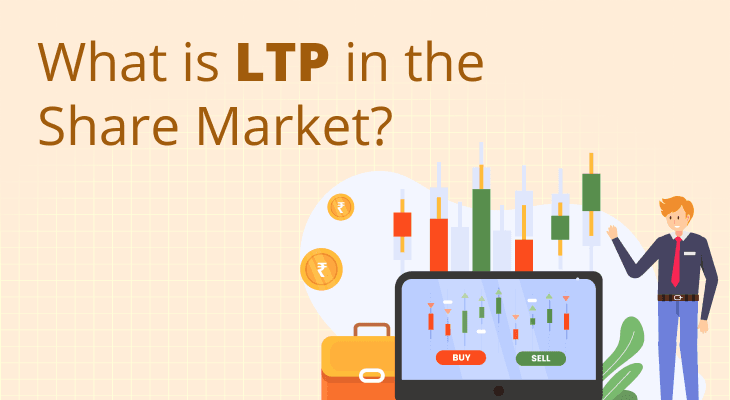
The term LTP stands for Last Traded Price, which refers to the most recent price at which a stock was traded during market hours. It is an important indicator of a stock's present value in the share market, as it reflects the most recent transaction between a buyer and a seller. Basically, when you look at the LTP in the stock market, it shows the most current price of a particular stock, which can change frequently as trades occur throughout the day. You can easily find the LTP of any share on the stock information screen of your broker’s app or web portal.
Why is the Last Traded Price Important?
In the world of stock trading, the LTP holds immense importance for traders and investors. Since stock prices can fluctuate by the second, the LTP provides you with a real-time snapshot of the market sentiment. It helps in understanding the immediate market value of a stock and plays a key role in decision-making for short-term traders. By monitoring the LTP in the share market, you get a clearer picture of how much a stock is worth at any given moment, allowing you to buy or sell at the right time.
LTP Strategies in Stock Market Trading
Understanding what is LTP is not enough; knowing how to use it strategically can elevate your stock trading decisions. Many traders rely on the LTP to determine the ideal entry or exit points. For example, if you observe a sharp rise or fall in the LTP, it might signal a change in market sentiment, prompting you to either lock in profits or cut your losses. Furthermore, the LTP in option chains can help options traders make quick judgments based on current market dynamics. As a trader, keeping a close watch on the LTP helps you stay ahead of market movements.
The Value of LTP in the Share Market
The Last Traded Price is not only important for active traders but also for long-term investors. By tracking the LTP, you can identify price trends over a period of time. The LTP can also be used to compare the present price of a stock with its previous highs and lows, giving you an idea of its performance over time. For long-term investors, understanding what LTP is in the share market helps in determining whether a stock is overvalued or undervalued based on recent trading activities.
How LTP Impacts Stock Prices in Real-Time
You might wonder, what effect does LTP have on the stock price itself? While the LTP represents the last price at which a trade was executed, it indirectly influences future prices. Traders and investors often react based on the latest LTP, adjusting their buy or sell orders accordingly. This makes the LTP in the stock market a self-reinforcing metric, where a rising LTP could lead to higher demand, driving prices up, while a falling LTP might trigger selling pressure, further depressing stock prices.
Why is the Last Traded Price Different from Intrinsic Value?
One of the key points to understand about LTP is that it is not necessarily the same as a stock's intrinsic value. While the LTP in the stock market represents the most recent price, it doesn't account for the fundamental value of the company, which may be higher or lower than the LTP. Intrinsic value is determined by factors such as the company's earnings, assets, and future growth potential, while LTP is purely based on supply and demand dynamics during trading hours.
Comparing LTP with Closing Price: What’s the Difference?
Many traders confuse the LTP with the closing price, but these are two distinct concepts. The LTP refers to the price of the last trade executed during market hours, whereas the closing price is the price of the final trade at the end of the trading day. The closing price is typically used as a reference for the next trading day's opening. Understanding the distinction between what LTP is in the stock market and the closing price is important for making accurate assessments of a stock’s performance.
Reviewing the Role of LTP in Share Market Trading
To sum up, the LTP plays a critical role in your trading activities, especially if you are looking to make short-term trades or manage a portfolio with frequent buy and sell transactions. It serves as a real-time barometer of market conditions and is an essential tool for gauging the current worth of your stocks. Whether you’re looking at what LTP is in option chains or monitoring the general stock trading market, having a firm understanding of LTP is indispensable for successful trading.
Conclusion
In conclusion, knowing what LTP is in the share market can significantly enhance your ability to trade wisely. By keeping a close eye on the Last Traded Price, you can make well-timed decisions, optimise your profits, and minimise your losses. Whether you're a seasoned investor or a newcomer to the world of stock trading, understanding and leveraging LTP will enable you to navigate the share market with greater confidence.
More Related Articles

How stock market psychology influences investment decision-making
 October 23, 2026 | 0 mins read
Stock market psychology refers to the collective emotions, sentiment, and behavioural biases that influence the buying and selling decisions of investors. Rather than relying on fundamental and technical analysis, investors may sometimes react based on emotions, which can influence market movements.

Peer-to-peer lending 101: All you need to know
October 23, 2026 | 0 mins read
Peer-to-peer lending, or P2P lending, is a model that enables borrowers and lenders to connect directly. The transactions take place through regulated digital platforms without the intervention of any bank or Non-Banking Financial Company (NBFC). Regulated by the Reserve Bank of India (RBI), P2P lending comes in handy for individuals who are unable to obtain a loan due to reasons such as low credit scores, low income, or lack of collateral. While the eligibility criteria may be more flexible, interest rates can be lower or higher depending on the borrower’s profile.
How to Calculate Risk-Reward Ratio in Stock Trading?
October 22, 2026 | 0 mins read
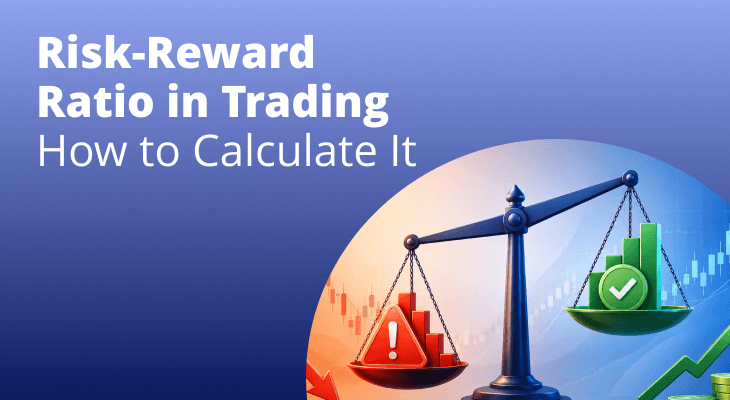
The risk reward ratio compares the amount of money a trader is prepared to risk on a trade with the amount they expect to earn if the trade reaches the target price. Before entering a trade, experienced traders usually estimate two things: the maximum amount they are willing to lose if the trade goes wrong and the potential profit if the trade performs as expected. Comparing these two values helps determine whether the trade offers a favourable balance between risk and reward.
FAQ
LTP risk refers to the volatility associated with the Last Traded Price. Since LTP reflects the most recent trade, sudden price fluctuations can lead to rushed decisions, making it important to assess broader market trends as well.