
July 31, 2026 | 9 min read
Understanding Commodity Derivatives Trading in India
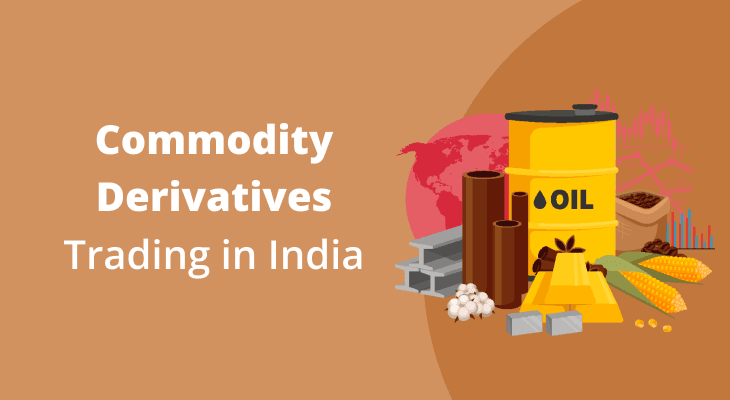
Commodity prices affect more than traders. They influence fuel costs, jewellery prices, food inflation, manufacturing expenses, and even business margins. This is why commodity markets matter for investors, producers, exporters, importers, and businesses that depend on raw materials. A commodity derivative allows you to trade or hedge the price movement of commodities without necessarily buying or storing the physical commodity. In India, commodity derivatives are traded through regulated exchanges and are overseen by SEBI, which helps bring structure, transparency, and standardisation to the market.
What is a Commodity Derivative?
The commodity derivative's meaning is simple: it is a financial contract whose value is linked to an underlying commodity. This commodity may be gold, silver, crude oil, natural gas, copper, cotton, spices, pulses, or other agricultural and non-agricultural products. Instead of buying the commodity directly, you trade a contract based on its expected price movement. For example, if you expect crude oil prices to rise, you may buy a crude oil futures contract. If the price moves in your favour, the contract value may increase. If it moves against you, you may face a loss.
Types of Commodity Derivatives
Commodity derivatives are contracts linked to the price movement of an underlying commodity such as gold, crude oil, natural gas, copper, cotton, or agricultural products. Each type works differently, so you should understand the structure before trading.
1. Commodity Futures
A commodity futures contract is an agreement to buy or sell a fixed quantity of a commodity at a predetermined price on a future date. These contracts are standardised and traded on recognised exchanges. Traders use futures for both hedging and price speculation.
2. Commodity Options
Commodity options give the buyer the right, but not the obligation, to buy or sell the underlying commodity contract at a fixed price. The buyer pays a premium for this right. Options may help limit risk for buyers because the maximum loss is usually limited to the premium paid.
3. Commodity Forwards
Forwards are customised agreements between two parties to buy or sell a commodity at a future date. Unlike exchange-traded futures, forwards are usually traded privately, so they may carry higher counterparty risk.
4. Commodity Swaps
Commodity swaps are agreements where two parties exchange cash flows based on commodity price movements. These are generally used by businesses or institutions to manage exposure to changing commodity prices.
What is a Commodity Futures Contract?
A commodity futures contract is a standardised agreement to buy or sell a specific quantity of a commodity at a fixed price on a future date. These contracts are traded on recognised exchanges and follow predefined rules for lot size, expiry, quality, margin, and settlement. In simple terms, you are trading the future price of a commodity rather than buying or storing the physical commodity immediately. For example, if you expect gold prices to rise, you may buy a gold futures contract. If gold prices increase before expiry, the contract value may rise. If prices fall, you may face a loss.
Commodity Derivative Exchanges in India
Commodity derivatives in India are traded on recognised exchanges. A commodity derivative exchange provides the trading platform, standardised contracts, price discovery, margin systems, and settlement mechanisms.
Major Commodity Exchanges in India
How Commodity Derivatives Trading Works in India?
Commodity derivatives trading in India happens through regulated exchanges and registered brokers. You trade standardised contracts linked to commodities such as gold, crude oil, natural gas, silver, copper, cotton, and agricultural products.
1. Open a Trading Account
First, open a trading account with a SEBI-registered broker that offers access to commodity derivative exchanges. You will need to complete KYC using PAN, Aadhaar, bank details, and other required documents.
2. Choose the Commodity You Want to Trade
Select the commodity based on your market view, research, and risk appetite. For example, you may trade gold, crude oil, natural gas, silver, copper, or agricultural commodities.
3. Check the Contract Specifications
Before placing an order, review the lot size, expiry date, tick size, margin requirement, settlement type, and delivery rules. These details differ from one commodity contract to another.
4. Deposit the Required Margin
For futures trading, you do not pay the full contract value upfront. You deposit a margin amount, which allows you to take a position. However, margin trading can increase both profit and loss potential.
5. Place a Buy or Sell Order
If you expect the commodity price to rise, you may place a buy order. If you expect prices to fall, you may place a sell order. Your profit or loss depends on how the contract price moves after your trade.
6. Monitor Price Movement and Margin
Commodity prices can change due to global demand, supply, currency movement, weather, inventory data, and policy updates. You should also monitor margin requirements to avoid forced square-off.
7. Exit or Settle the Contract
You can exit your position before expiry by placing an opposite trade. If you hold the contract until expiry, settlement will happen as per exchange rules, which may involve cash settlement or physical delivery depending on the contract.
8. Review the Trade
After closing the trade, review what worked and what did not. This helps you improve risk management, position sizing, and future trade planning.
Benefits of Commodity Derivatives Trading
Commodity derivatives can be useful for traders, investors, producers, importers, exporters, and businesses that are exposed to changing commodity prices. When used carefully, they can help manage price risk and create opportunities beyond traditional equity markets. Here are the benefits:
1. Helps Manage Price Risk
Businesses that depend on commodities can use derivatives to protect themselves from unfavourable price movements. For example, a jewellery business may use gold contracts to manage the risk of rising gold prices.
2. Supports Portfolio Diversification
Commodity prices often move differently from equities and debt instruments. Adding commodity exposure may help diversify your overall trading or investment approach.
3. Improves Price Discovery
Exchange-traded commodity contracts show transparent market prices based on demand, supply, global cues, and trader participation. This helps market participants understand current price expectations.
4. Allows Hedging for Businesses
Producers, manufacturers, exporters, and importers can use commodity derivatives to lock in prices or reduce uncertainty linked to raw material costs.
5. Provides Trading Opportunities
Commodity prices react to factors such as weather, geopolitical events, currency movement, inventory data, and global demand. Traders can use these price movements to take short-term or medium-term positions.
6. Offers Regulated Market Access
In India, commodity derivatives are traded on recognised exchanges through registered brokers. This gives traders access to standardised contracts, margin systems, and exchange-based settlement.
7. Enables Participation With Margin
You do not always need to pay the full contract value upfront. Margin-based trading allows participation with lower initial capital, though it also increases risk and must be used carefully.
Risks in Commodity Derivatives Trading
Commodity derivatives can offer trading and hedging opportunities, but they also carry significant risk.
1. Price Volatility
Commodity prices can rise or fall sharply within a short period. Crude oil may react to geopolitical tensions, gold may move with global interest rate expectations, and agricultural commodities may change due to weather or crop output.
2. Leverage Risk
Since futures and options are margin-based products, you can take a larger position with a smaller upfront amount. This can increase profits, but it can also magnify losses if the trade moves against you.
3. Liquidity Risk
Not every commodity contract has high trading volume. Low liquidity can make it difficult to enter or exit at the desired price, especially during volatile market conditions.
4. Settlement and Delivery Risk
Some commodity contracts may involve physical delivery if held until expiry. If you do not understand the settlement rules, you may face unexpected delivery obligations or additional costs.
5. Global Event Risk
International developments can affect commodity prices directly. War, sanctions, supply disruptions, central bank decisions, and global demand changes can create sudden price movements.
6. Currency Movement Risk
Many commodities are priced globally in US dollars. Changes in the rupee-dollar exchange rate can influence domestic commodity prices in India.
7. Margin Call Risk
If the trade moves against you, your broker may ask you to add more margin. If you fail to maintain the required margin, your position may be squared off.
8. Weather and Seasonal Risk
Agricultural commodities are sensitive to rainfall, crop cycles, storage conditions, and seasonal demand. Unexpected weather changes can affect prices sharply.
Common Mistakes to Avoid in Commodity Trading
Commodity trading can look simple when prices are moving clearly, but mistakes can become costly because contracts involve leverage, expiry, and settlement rules. Before trading, you should understand how the commodity behaves and how much risk you are taking.
1. Trading Without Checking Contract Details
Each commodity contract has its own lot size, expiry date, margin requirement, tick size, and settlement method. Ignoring these details can lead to unexpected losses or delivery-related issues.
2. Using Too Much Leverage
Margin trading allows you to take larger positions with limited capital. However, excessive leverage can magnify losses quickly if prices move against your trade.
3. Ignoring Global Market Cues
Commodities such as crude oil, gold, silver, and metals are influenced by global demand, supply, currency movement, interest rates, and geopolitical events. Trading without tracking these factors can be risky.
4. Holding Contracts Close to Expiry Without Understanding Settlement
Some commodity contracts may involve physical delivery if held until expiry. You should know the settlement rules before carrying positions near expiry.
5. Trading Illiquid Contracts
Low-volume contracts may have wider bid-ask spreads, making entry and exit difficult. It is safer to check liquidity before placing a trade.
6. Not Using Stop-Losses
Commodity prices can move sharply due to news, inventory data, weather changes, or global events. A stop-loss can help limit losses when the market moves against your view.
7. Depending Only on Tips or Rumours
Trading based on unverified advice, social media calls, or market rumours can lead to poor decisions. Your trades should be backed by research and a clear risk plan.
8. Treating All Commodities the Same
Gold, crude oil, natural gas, copper, and agricultural commodities behave differently. Each has separate demand-supply drivers, volatility patterns, and trading risks.
Important Things to Check Before Trading Commodity Derivatives
Before placing a trade, review these points:
Checkpoint | Why It Matters |
|---|---|
Commodity type | Different commodities behave differently |
Lot size | Defines minimum trade quantity |
Expiry date | Helps avoid unwanted settlement issues |
Margin | Shows capital required |
Liquidity | Supports smoother entry and exit |
Settlement type | Helps avoid delivery-related surprises |
Global cues | Affects price movement |
Stop-loss | Helps manage downside risk |
Conclusion
Commodity derivatives trading in India gives you a structured way to participate in price movements of metals, energy, bullion, and agricultural commodities. It can help with hedging, diversification, and short-term trading opportunities, but it also requires careful planning. Before trading, you should understand contract terms, margin rules, settlement conditions, and the factors that move commodity prices. A cautious trader treats commodity derivatives as risk-linked instruments, not quick-profit products. If you use research, position sizing, and stop-loss discipline, this market can become easier to approach responsibly.
More Related Articles

SEBI Proposes CAS Changes: What Could Change for Derivatives Settlement, IEPs & Timings?
 September 17, 2026 | 0 mins read
A month after introducing the new Closing Auction Session, SEBI has proposed changes after early market feedback raised concerns about derivatives settlement on expiry days, changing auction prices and trading timings. SEBI is not scraping CAS. Instead, it wants to make expiry settlement clearer, improve the auction process and help traders understand that indicative auction prices are not the same as actual traded prices.
ETF trading rules from 7 September: What changes for retail investors?
September 7, 2026 | 0 mins read
If there was no trade during the final 30 minutes on the previous day, the exchange will use that day’s last traded price. If there was no trade at all on the previous day, the latest available closing NAV will be used. The base price will also be adjusted for corporate actions, if applicable. From April 1, 2027, SEBI expects stock exchanges and mutual fund AMCs to use the previous day’s closing NAV as the base price after resolving operational issues.

How MSCI rebalancing tested India's Closing Auction System on August 31
September 2, 2026 | 0 mins read
India’s new Closing Auction Session (CAS) processed a record ₹39,718 crore turnover, on 31 August 2026 as MSCI India Index latest index rebalancing took effect at the market close. The event showed that CAS could handle an exceptional concentration of institutional flow. However, there were some sharp, and sometimes counterintuitive, stock moves. This shows that the quality of closing-price discovery is still being tested.
FAQ
Yes, commodity trading is legal in India when done through recognised exchanges and registered brokers. Commodity derivatives are regulated by SEBI, and trading takes place through exchanges such as MCX, NCDEX, NSE, and BSE. You should avoid unregulated platforms and check contract rules before trading.