April 11, 2025 | 6 min read
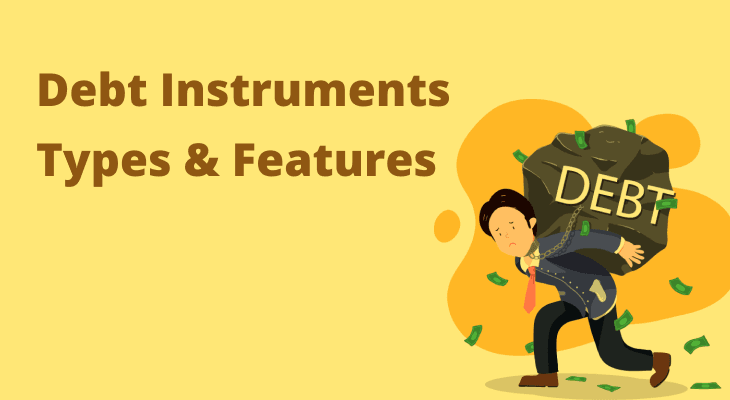
Debt Instruments: Types, Features & How They Work?
Just like a balanced meal has different food groups - proteins, carbs, and fats, a well-structured portfolio has different asset classes. The three main asset classes include equity, cash, and debt. This article can help you understand more about debt instruments, their types, the advantages they offer, and the risks they carry.
Debt instruments - Meaning
A debt instrument is a financial asset used by individuals, businesses, or governments to raise capital or generate income for their needs. It represents a commitment from the issuer to make future payments to the holder of the instrument. In simple terms, it is a type of loan where the borrower repays the lender the principal and interest over time.
When you invest in debt instruments, you become the lender, and the issuer of the instruments is the borrower.
Types of debt instruments
Here are some common debt instrument types that you can add to your investment portfolio:
- Bonds: Issued by governments, corporations, or municipalities, bonds function as loans where you lend money to the issuer. In return, you receive regular interest payments at either a fixed or variable rate. Once the bond reaches maturity, the initial investment is repaid to you.
- Treasury bills: Treasury bills are short-term money market instruments issued by the Government of India that have maturities of less than a year. They are sold at a discount, which allows you to purchase them for less than their face value and receive the full amount upon maturity.
- Certificates of Deposit (CDs): A CD is a money market instrument that you can hold in Demat form or as a Usance Promissory Note. It works like a bank term deposit but usually offers higher returns. The maturity period for a CD issued by banks is between seven days and one year. However, CDs from financial institutions have longer tenures, which can range from one to three years.
- Commercial papers: A commercial paper is an unsecured money market instrument issued as a Usance Promissory Note. As per the Reserve Bank of India (RBI) regulations, only corporates with an investment-grade rating can issue commercial papers. They are sold at a discount to their face value and can be issued in denominations of ₹5 lakh or multiples thereof. The minimum investment required to invest in commercial papers is ₹5 lakh per investor.
- Debentures: A debenture is a type of debt instrument through which a company raises loan capital. The company repays a specified amount along with interest at a predetermined rate in exchange for the loan. This helps you receive regular interest payments until maturity.
Features of debt instruments
Here are some features of debt instruments:
- Interest rates: Debt instruments may offer either fixed or variable interest rates. Fixed rates provide predictable returns, while variable rates fluctuate based on market conditions.
- Issue date and price: Each debt security is issued on a specific date and at a predetermined price.
- Tenor/maturity period: The maturity period of debt instruments varies depending on the type. Most of them have a defined maturity date, which indicates when the principal amount will be repaid to you. However, some debt instruments do not have a set maturity date.
- Issuer: Debt instruments can be issued by different types of issuers, such as corporations, municipalities, and governments. The credibility of the issuer can be assessed by their ratings.
How do debt instruments work?
Although different debt instruments have their own rules and features, they all function as borrowed funds. When you invest in a debt instrument, you essentially extend a loan to the issuer, who, in return, typically pays you interest at regular intervals and repays the principal at maturity. However, the repayment terms, including interest rates and maturity periods, vary depending on the type of instrument. For example, some debt instruments, like zero-coupon bonds, do not pay periodic interest, while others, like perpetual bonds, have no maturity date.
Benefits of investing in debt instruments
Debt instruments offer several advantages, such as:
- Low risk: Debt instruments carry lower risk compared to equity investments. Government-issued debt securities, such as Treasury bills and bonds, are backed by the government, which ensures better security. Corporate debt instruments, especially those issued by highly rated companies, also offer relatively low risk.
- Stable returns: Debt instruments typically provide regular interest payments, and you can expect to earn stable and predictable returns.
- Diversification: Including debt instruments in your portfolio can help you balance risk and reduce overall volatility. They are generally less affected by stock market fluctuations compared to equity investments and can help you maintain portfolio stability during market downturns.
Risks associated with debt instruments
Debt instruments can carry the following risks:
- Inflation risk: The returns on debt instruments may not always keep up with inflation. As a result, the value of your returns may diminish over the long run, leading to a loss of purchasing power.
- Interest rate risk: The market value of debt instruments is affected by changes in interest rates. The value of existing securities falls when market interest rates rise and vice versa.
- Default risks: Some debt instruments may carry the risk of default, where the issuer may fail to pay the principal or interest as agreed. Default risk is higher for lower-rated instruments. Therefore, it is advised to check the issuer’s creditworthiness beforehand.
- Reinvestment risks: This risk occurs when you are unable to reinvest the principal and interest received at the same return rate.
- Liquidity risks: Some debt instruments may not be easily sellable at their fair market value, which could force you to sell them at a discount or wait longer to find a buyer.
Regulations and tax implications
The taxation of debt instruments depends on the type of instrument and the nature of income earned, such as interest income or capital gains. While the interest income is typically taxed as per your tax slab, the capital gains tax rate depends on your holding period and whether the instrument is listed or unlisted. Moreover, certain debt instruments, like tax-free bonds, offer an exemption on interest income, while certain others, like corporate bonds, may be subject to Tax Deducted at Source (TDS) above certain thresholds.
Conclusion
Debt instruments are known for stable returns and lower risk compared to equities. However, it is important to be aware of their potential risks and tax implications before adding them to your portfolio.
More Related Articles
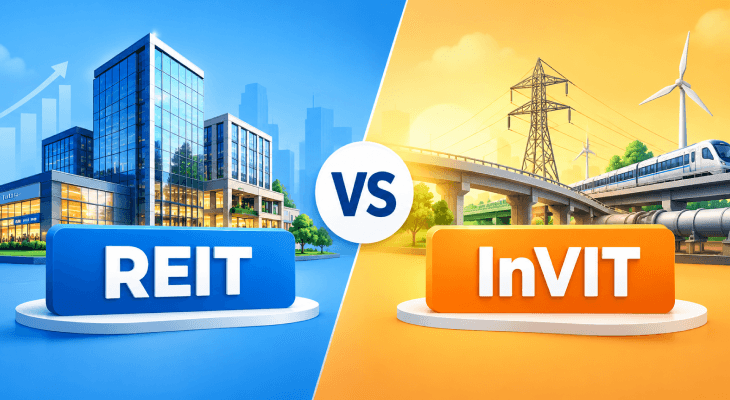
REIT vs InVIT: Which Is Safer for Long-Term Investing?
 October 27, 2026 | 0 mins read
Real Estate Investment Trusts (REITs) work in a similar fashion to mutual funds. However, instead of investing the pooled money in different securities, a REIT invests the collective amount primarily in completed, income-generating commercial real estate such as offices, malls, business parks, and warehouses. REIT investing allows investors to participate in the real estate market without buying or managing property directly. Investors can earn returns through the income generated by these properties, primarily in the form of rentals, along with the potential for capital appreciation in the value of the underlying assets.
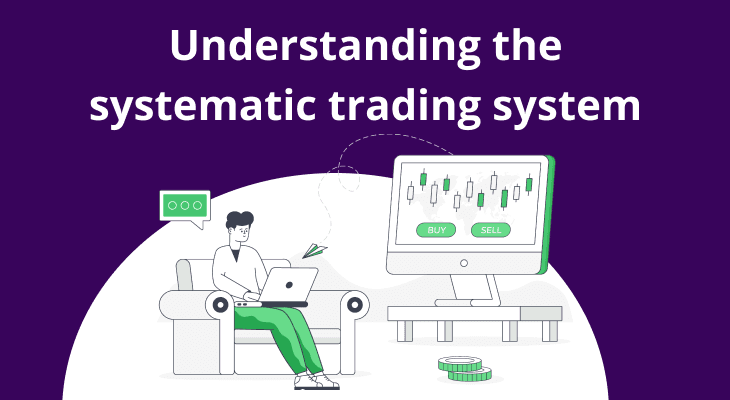
Understanding the meaning and benefits of the systematic trading system
October 23, 2026 | 0 mins read
A systematic trader is an individual who uses a predesigned and backtested trading strategy to buy and sell financial instruments such as stocks, futures, currencies, or commodities. Instead of relying on gut feelings or emotions, they use a systematic trading system built on predefined rules, quantitative analysis, and technology to make trading decisions.

Muhurat Trading 2026: Will stock market be open on 8th November Sunday?
October 23, 2026 | 0 mins read
Muhurat Trading 2026 will be held on Sunday, 8 November 2026, on Diwali Laxmi Puja. NSE and BSE will open their equity markets for a special afternoon session, with continuous trading beginning at 2:20 pm IST. Trading in securities not covered by the Closing Auction Session (CAS) will continue until 3:30 pm, while continuous trading in CAS-eligible securities will end at 3:15 pm. For investors, Muhurat Trading combines a long-standing Diwali tradition with an opportunity to participate in the stock market. Here is a guide to the date, timings and session structure for 2026.