
May 27, 2026 | 5 min read
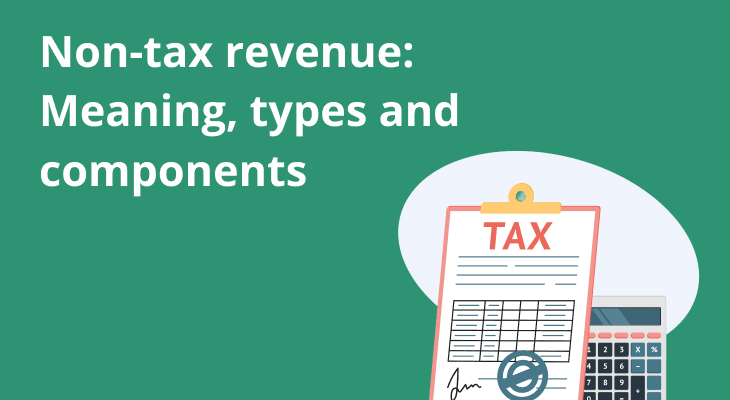
Non-tax revenue: Meaning, types and components
The government earns revenue from different sources. These can be broadly classified into two categories - tax and non-tax revenue.
Tax revenue includes collections from direct and indirect taxes, such as income tax, the Goods and Services Tax (GST), customs duties, and other taxes. Non-tax revenue, on the other hand, refers to income earned by the government from sources other than taxes. This includes profits from public sector enterprises, interest receipts, fees, fines, etc.
In this blog, we will explore the meaning, key components, and importance of non-tax revenue.
What is non-tax revenue?
Non-tax revenue includes government income from sources other than taxes. Unlike tax revenue, non-tax revenue arises from different types of services, investments, fees, and other government activities.
Some non-tax revenue examples include surplus profits transferred by the Reserve Bank of India (RBI) to the government, administrative fees, fines and penalties imposed for non-compliance with laws, civil examination fees, and income earned from state-owned enterprises. It also comprises profits and dividends from Public Sector Undertakings (PSUs) and other similar sources.
Sources of non-tax revenue
Non-tax revenue sources primarily include interest receipts. The government earns interest on loans extended to states, Union Territories, railways, and other entities. It can also be earned through dividends and profits received from PSUs and other government-owned enterprises.
Non-tax revenues can come through a wide range of other services too. These include security services provided for residential or commercial properties, economic services, including power and railways, social and community services, such as healthcare, fees for municipal services, police and defence-related services.
In addition, non-tax revenue may also be earned from the sale of government publications, newspapers, stationery, and similar items, as well as fees collected through state public service boards and other government bodies.
Components of non-tax revenue
Here are some of the different components of non-tax revenue:
- Income from state-owned enterprises: Governments earn income through profits or dividends from companies in which they hold ownership.
- Escheats: If a person dies without a will or legal heirs, their assets are legally transferred to the government. Such property becomes part of non-tax revenue.
- Fines and penalties: Money collected from individuals or organisations for violating laws or regulations is treated as non-tax revenue.
- Examination fees: Government bodies such as the Union Public Service Commission (UPSC) and the Staff Selection Commission (SSC) conduct recruitment exams for various public sector roles. Applicants pay examination or application fees, which contribute to non-tax revenue.
- Fees and charges for services: The government collects charges for providing specific services such as issuing passports, driving licences, and granting entry to national parks. These service-based collections form a steady source of revenue.
- Dividends and profits: This includes dividends earned from Public Sector Enterprises (PSEs) and surplus funds transferred from the Reserve Bank of India (RBI).
- Sale of government assets: The government may raise funds through the sale of land, equipment, or stakes in public enterprises.
- Revenue from natural resources: Income generated from natural resources such as minerals, oil, and gas falls under this category. It includes royalties and fees paid for extraction rights.
- Power supply fees: Authorities collect fees for the generation and distribution of electricity. This contributes to government earnings through non-tax revenue.
- Road and bridge usage fees: Toll charges collected from highways and expressways are an important component of non-tax revenue.
Importance of non-tax revenue
Here’s why non-tax revenue is important for the country:
- Additional source of government income: Non-tax revenue provides the government with a source of income other than direct and indirect taxes. This additional income stream potentially boosts overall public finances and reduces the government’s dependence on taxes.
- Supports public spending: Funds collected through non-tax revenue sources can be used for infrastructure development, public projects, healthcare, education, and more. It helps the government meet its developmental and administrative goals.
- Stability during economic slowdowns: When economic activity slows down, tax revenues may decline. Non-tax revenue helps bridge the gap and ensures that the government can function smoothly.
- Reduces pressure to increase taxes: With an alternative source of income, the government may not need to raise tax rates. This, in turn, can help ease the tax burden on citizens and businesses.
- Financing welfare programmes: Non-tax revenue plays an important role in funding social welfare initiatives. These help improve the standard of living in the country.
Difference between tax and non-tax revenue
Let’s understand the difference between tax and non-tax revenue:
- Definition: As the name suggests, tax revenue is the income the government collects through compulsory taxes imposed on individuals and businesses. Non-tax revenue, on the other hand, refers to income generated from sources other than taxes.
- Examples and sources: Tax revenue comes from direct and indirect taxes such as income tax, GST, and others. Non-tax revenue is earned through interest receipts on loans given by the government, fees, fines, dividends from public sector enterprises, toll collections from expressways, and the sale of government assets.
- Collections: Tax revenue is a compulsory payment that individuals and businesses pay to the government at a specific time or on a particular transaction. Non-tax revenue is generally collected in return for services provided, as interest on loans, or in the form of fees, charges, and penalties.
Also Read: Types of GST in India: Understand CGST, SGST, IGST & UTGST | m.Stock
Conclusion
Non-tax revenue serves as an important source of income for the government. Although it can be generated through various channels such as fees, dividends, and interest receipts, its core purpose remains the same. It supports government expenditure, development, infrastructure projects, and welfare schemes.
Also Read: Updated Income Tax Slabs & Rates for FY 2025-26 | m.Stock
More Related Articles
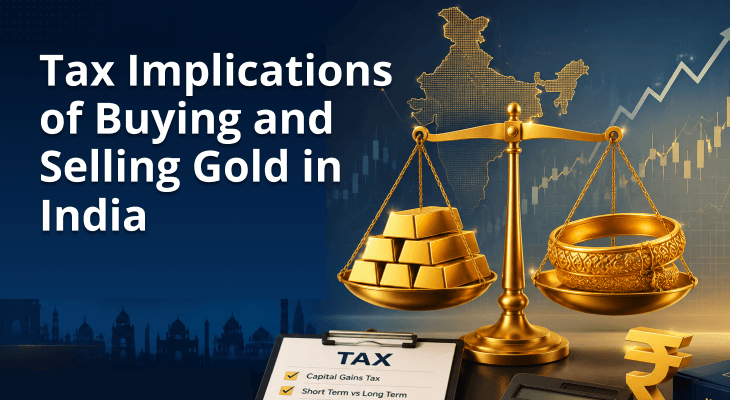
Understanding tax on buying gold and selling gold in India
 September 30, 2026 | 0 mins read
For generations, gold has symbolised not just wealth and financial security, but also tradition and prestige in Indian households. While physical jewellery and coins continue to be the preferred choice for many, investors today are increasingly exploring alternatives such as digital gold, Gold Exchange-Traded Funds (ETFs), and other gold-backed investments. Regardless of the form, understanding how tax on gold works is essential. This article explains the tax rules applicable to buying and selling different types of gold in India.
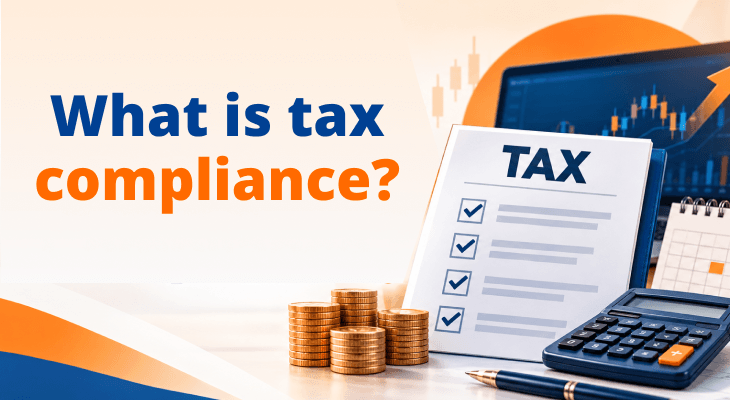
What is tax compliance
September 30, 2026 | 0 mins read
Whether you are a startup, small business, or an established company, ensuring income tax compliance and GST compliance (Goods and Services Tax compliance) is essential for smooth business operations. This article serves as a comprehensive guide to tax compliance in India.
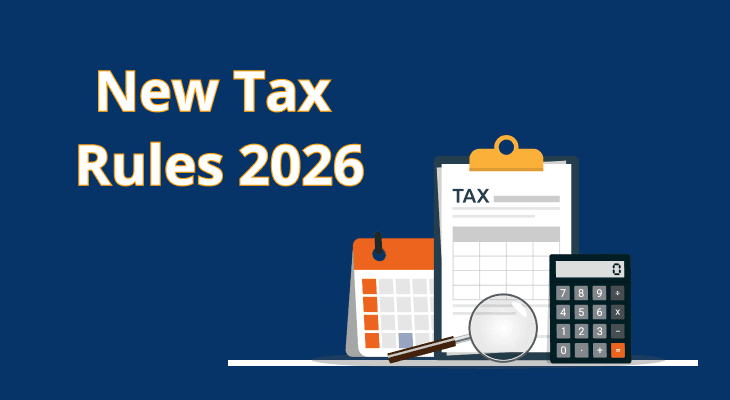
New tax rules 2026: How to save tax in 2026?
August 6, 2026 | 0 mins read
The new Income Tax Act, 2025, replaces the long-standing Income Tax Act, 1961, to modernise, simplify, and streamline India’s direct tax system. Effective from April 1, 2026, the new tax rules introduce revised deduction and allowance provisions, rationalised Tax Collected at Source (TCS) rates, updated Income Tax Return (ITR) filing deadlines, and stricter compliance measures.
FAQ
Yes, fines and penalties collected for violations of laws and regulations are considered non-tax revenue.