
January 23, 2026 | 7 min read
Options Trading for Beginners: A Step-by-Step Guide to Getting Started
Options trading is a method quickly catching on as a popular way of trading assets, posing minimal risks and potentially maximal returns. Options trading engages in trading with derivative contracts. By using options contracts, traders and investors can buy or sell an underlying asset, determined in a contract /agreement. The buyer may buy an options contract at a specific price on a certain predetermined date, and a seller may sell an options contract at a certain price on a pre-set date. This is the basic working of options trading. As a beginner, you need a comprehensive step-wise guide to get you on the right track. Read on to grasp options trading.
How to Trade Options in 5 Simple Steps
Trading in options contracts requires traders to know the market and the trends of particular underlying assets (like stock). Understanding specific industry trends and how prices are influenced also helps in options trading. In case you want to try your hand at options trading, specific steps help you get a head start.
Step 1: Learn About Options Trading
The first thing to focus on is to grasp options trading. Options trading is a process of investing in assets through options contracts. Therefore, engaging in options trading involves a buyer and a seller. In other words, options trading is a method of buying or selling a specific underlying asset at a set price (the strike price) and a fixed date (the date of expiry).
Essentially, investors should know that options are categorised into two different kinds of contracts entered. These are put options and call options. In a put option, the purchaser of the contract has the right, but not the obligation, to sell the options contract (and the underlying asset as such) at a predetermined price at a fixed date. In a call option, an investor has the right (but not the obligation) to buy an options contract at a fixed price and by a particular date.
It is imperative in any guide to options trading for beginners to include that options contracts can aid in generating an income even when market conditions may not prove conducive. As the contract is defined and regulated by the sale and purchase of assets at pre-negotiated dates and prices, the contracts are exercised despite market conditions. This can safeguard investors from market downturns as contracts must be honoured. Hence, traders may gain substantial profits from options contracts provided they diligently follow steps and get strategies right.
Step 2: Open an Options Trading Account
Just as you would open a Demat account and a linked trading account to engage in stock trading, you must open a trading account for options. As options trading involves large amounts of capital invested, your broker may require verification of your suitability as a candidate for trading. Brokers try to find out all about potential options traders concerning their creditworthiness and background in trading in general. Given this, potential options trading investors may have to provide necessary information to brokers before they get the go-ahead to open a trading account.
Step 3: Choose the Options to Buy and Sell
Options trading can be done online via efficient options trading platforms. Once you have opened your trading account on a platform, you must pick options contracts you want to trade with. As mentioned earlier, you may choose put or call options contracts. Your choice depends on the direction you expect the underlying asset (say, a stock) to move. Before you choose options, consider the following:
If you expect the price of the stock to become stable, you can sell either a call or a put option.
If you think the price of the stock will rise, you can sell a put and buy a call.
If you believe the price of the stock will plunge, you may consider buying a put and selling a call.
While opting for options trading contracts, you can conduct research beforehand by looking at some real-life examples to base decisions on. Furthermore, you can enlist the assistance of a financial advisor. Advisors are typically experienced in the field and offer valuable knowledge.
Step 4: Determine the Strike Price
Investors employ many options trading strategies but they keep one crucial thing in mind. The buying of an options contract becomes pertinent only if the price of the underlying asset (stock) achieves the strike price by the date of expiry. This has to occur either above or below the strike price mentioned in the contract. It is important to buy an options contract having a strike price that matches the direction of the movement of your asset, and hence, comes close to the price you expect it to achieve. Consider this example:
You buy an options contract in which a stock is the underlying asset with a price of ₹8,000 and assume it will rise to ₹9,000 by a set date. In this scenario, you may want to buy a call option. However, you must make sure that the call options contract you buy has a strike price that is lower than ₹9,000. In case the price of the stock increases above the strike price, the call option will be in the money.
Similarly, if you think that the price of the stock is going to plunge to ₹6,000, then you may consider buying a put option with a strike price of more than this. If there is a drop in terms of the strike price, the put options contract will be in the money.
Step 5: Evaluate the Option’s Time Frame
In the realm of options trading, every options contract has a timeframe, in that, the contract comes with a date of expiry before or on which the contract must be exercised. Therefore, investors have to understand that there is a finite amount of time in which the decision to execute an options contract has to be taken. However, while considering the contract, investors are not able to determine the expiry dates themselves. Rather, the expiry dates are already decided and an investor may merely choose a contract that closely matches requirements where the expiry date is concerned. This is one of the main reasons that options trading for beginners should be extensively researched before you jump into options trading.
An important thing to understand is that the expiry dates of options contracts, and thus the duration for which they are held, may vary from days to weeks, and months to years even. Investors and analysts consider option contracts with expiry dates of a daily and weekly nature to be the most risky. This is because the movement of stock can happen very rapidly, and new traders may find it challenging when to exit the contract or execute it. Consequently, these options contracts are reserved for seasoned traders who have the experience and ability to make the most of market moves. For long-term and fresh investors, long-duration expiry dates (monthly or annual timeframes) are more suitable, as these permit traders and investors to monitor the stock’s momentum over a long period, hence getting a better idea of when to exercise an options trading contract.
Something to note is that, while longer-duration options contracts may prove to be an expensive prospect, it results in a more efficient options trading strategy. The reason for this, as mentioned earlier, is that it helps to retain the time value of the contract. This is effective irrespective of the trade of the underlying asset (like a stock) venturing under the strike price. As the date of expiry draws closer, the option contract’s time value gradually decays. Nonetheless, the buyers of options contracts will not see their bought options contracts decrease in value.
Conclusion
Retail traders have several options trading contracts to choose from in the present age of investment. These come in a range of investment instruments from stock options contracts to commodity options contracts, although stock options contracts tend to be high on the popularity charts. Whether you are a starter at investing or a savvy market player, options are worth exploring as they tend to hedge risk and weigh your moves. Furthermore, to take your options research even further, before you delve into trading, you may want to study options trading strategies so you can potentially find ways to make optimal investments.
More Related Articles
How Traders Use Maximum Drawdown to Manage Portfolio Risk?
 August 19, 2026 | 0 mins read
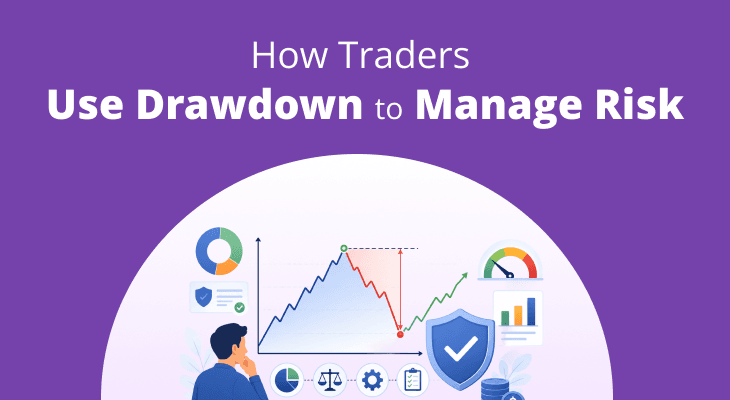
When evaluating an investment or trading strategy, returns usually receive the most attention. However, returns alone do not tell investors how much risk was taken to achieve them. Two portfolios may deliver the same annual return, but one may have experienced far steeper losses during market downturns. This is where max drawdown becomes useful. It measures the largest decline in the value of a portfolio, trading account, or investment from its highest point to its lowest point before a new peak is reached. Instead of focusing only on profits, it shows the worst historical loss an investor would have experienced by staying invested.
Iron Butterfly vs Iron Condor: Which Strategy Is Better?
August 19, 2026 | 0 mins read
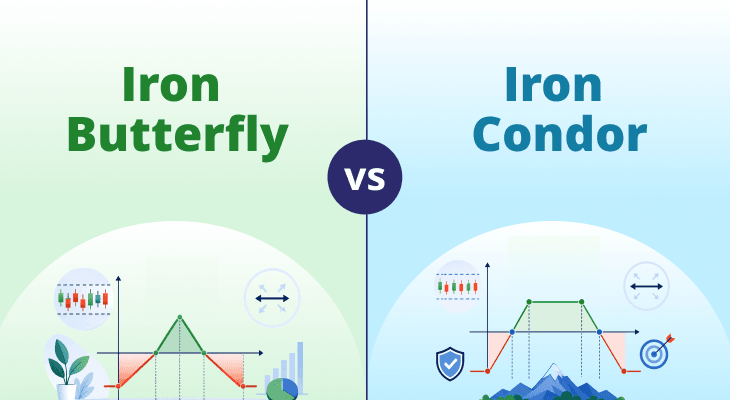
Options trading is not always about predicting the next big market move. At times, the market trades within a narrow range, creating opportunities for strategies that benefit from stability rather than direction. Two of the most widely used neutral strategies are the iron butterfly strategy and the iron condor options strategy. While both strategies use four option contracts and defined risk, they do not behave in the same way. Differences in strike selection, profit range, and risk-reward dynamics can significantly affect trading outcomes. Understanding the difference between an iron condor and an iron butterfly can help you select a strategy that matches your market expectations and trading objectives.
Iron Condor Strategy
August 19, 2026 | 0 mins read
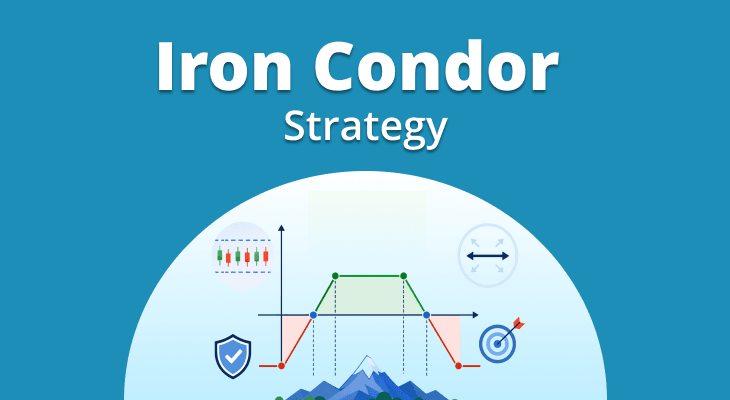
Markets do not always trend strongly. At times, prices remain within a narrow range, making directional trades more challenging. The iron condor strategy is designed for these market conditions. It doesn’t rely on a bullish or bearish outlook. It aims to generate returns when the underlying asset remains within a predefined price range. With clearly defined risk and reward, it has become a widely used approach among traders looking to capitalise on range-bound markets while maintaining controlled exposure.
FAQ
Beginners on the trading floor may shy away from options due to their belief that options trading may prove complex and risky. Nonetheless, with know-how and experience, newcomers tend to overcome their initial doubts and may be potentially successful at options trading. As an investment channel, options trading allows you to trade with less risk than going in for direct equity, as you can enter contracts and have no obligation to execute them.