
May 22, 2026 | 5 min read
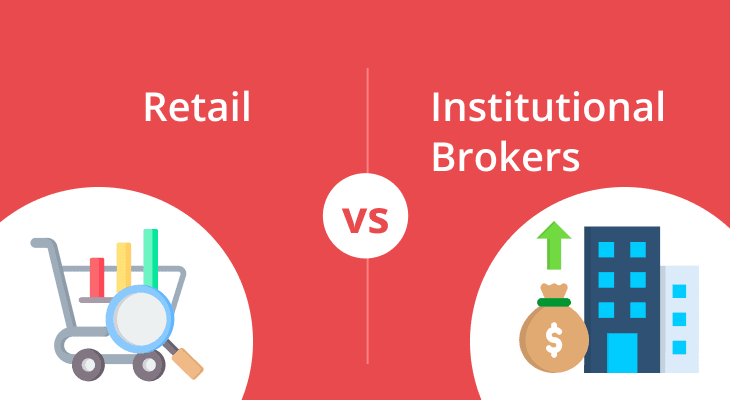
What is the difference between retail and institutional brokers?
When you place a trade, you interact with markets through SEBI-registered brokers. Even if you never see that interaction directly, not every top share broker operates the same way. In fact, retail and institutional brokers exist for very different purposes.
And these differences influence your costs, execution quality, access to information and how markets may behave during volatile periods.
Understanding this distinction helps you better interpret price movements. As a result, you can set realistic expectations for your own trading decisions with the best Indian stockbroker possible.
Who are retail and institutional brokers?
Retail brokers
They serve individual market participants like you. For example, you trade using your own capital, usually through digital platforms. Your objectives may range from long-term wealth creation to shorter-term opportunities. And your investment preferences depend on your risk appetite.
Retail brokers focus on providing you with accessibility, transparency and regulatory protection.
Institutional brokers
Institutional brokers, on the other hand, work with larger organisations. This typically includes mutual funds, pension funds, insurance companies, banks and hedge funds. They execute trades on behalf of these institutions or manage large proprietary portfolios.
As institutional capital pools run into several crores, the brokers operating on their behalf must prioritise precision. Along with that, confidentiality and execution efficiency are paramount.
How does trade size influence stockbroker behaviour and execution?
The trade size also shapes how various brokers fundamentally interact with the market.
Retail brokers
They typically process smaller orders for retail investors. You may buy a limited number of shares or contracts, and these trades usually don’t impact the market prices of a security by much. Moreover, the execution happens almost instantly at prevailing price levels.
Institutional brokers
They handle very large orders in the market. In fact, a single instruction may involve thousands or even lakhs of shares. Executing such trades at once can move market prices sharply. So to manage this risk, institutional brokers break orders into smaller segments and execute them gradually.
This structured execution helps reduce market impact while controlling slippage. It also explains why institutional trading activity often sets short-term price direction.
For you, this means price movements often reflect institutional positioning. It’s more impactful than retail sentiment.
What kind of technology and market access do these brokers provide?
Technology defines how efficiently your broker will operate. Take a look at how:
- Retail brokers offer platforms built for simplicity. You can easily access standard order types, charts, and publicly available data. Furthermore, the design also aids usability and trading speed rather than depth. Another important feature of retail brokers is the integration of AI-driven analysis to improve decision-making.
- Institutional brokers employ advanced infrastructure. Generally, they prioritise direct market access, algorithmic execution systems, high-frequency connectivity and premium data feeds.
This difference creates an information gap. Hence, institutions are equipped to process data faster and respond with greater precision.
Retail traders rely on broader signals and public disclosures. So while technology continues to narrow this gap, structural differences between the two remain.
Do brokerage costs and fee structures also differ?
Costs follow volume and negotiating power with your broker. For instance:
- Retail brokers: They charge standard rates per transaction or per segment. For example, at m.Stock, you charge flat ₹10 brokerage on all trades.
- Institutional brokers: They tend to negotiate fees based on high turnover. High volumes also allow them to secure significantly lower transaction costs per trade. Over time, this difference materially affects the fund's performance.
The scale of institutional brokers reduces friction, but uncertainty remains. And for you, cost efficiency with retail brokers matters more. But it never fully replaces disciplined risk management.
Do the trading strategies and decision processes actually differ?
- Retail: The decisions depend primarily on your own research, personal conviction or market sentiment. And during volatile phases, emotions like fear or overconfidence can also influence your trades and timing.
- Institutional: These brokers execute strategies devised by investment committees and risk teams. Therefore, they are not random; they follow models, mandates and predefined limits. At the same time, there’s a very low risk of emotional bias.
This difference doesn’t imply the superiority of any particular trade. While institutions aim for risk-adjusted returns, retail trading offers you flexibility. There’s independence, but it requires your self-discipline.
Regulation and oversight
Both broker types are regulated, but the regulatory oversight differs significantly. Here’s how:
- Retail brokers: They follow investor protection frameworks. These rules focus on providing you with transparency, disclosures, grievance handling and fair execution. The objective is to safeguard individual participants.
- Institutional brokers: They face stricter oversight due to their scale and impact. Regulators closely monitor the brokers’ reporting standards, capital adequacy, internal controls and risk disclosures. Institutions also answer to trustees, boards and large stakeholders.
Conclusion
Understanding these differences helps you trade with a clearer perspective rather than comparison. You don’t compete with institutions on speed or capital. Instead, you benefit from flexibility, transparency and control over your decisions. While technology improves access, institutional advantages in scale and structure remain.
When choosing a retail broker, you should prioritise platform reliability and compliance. If you want refined market participation with over 20 tools to support your decision, you can open an account with m.Stock.
We operate with a framework that’s designed to assist individual investors. We also provide complete pricing clarity and lifetime zero brokerage on your delivery orders.
Also Read: Zero Brokerage: Discount broker with zero brokerage | Mirae Asset
More Related Articles
How Traders Use Maximum Drawdown to Manage Portfolio Risk?
 August 19, 2026 | 0 mins read
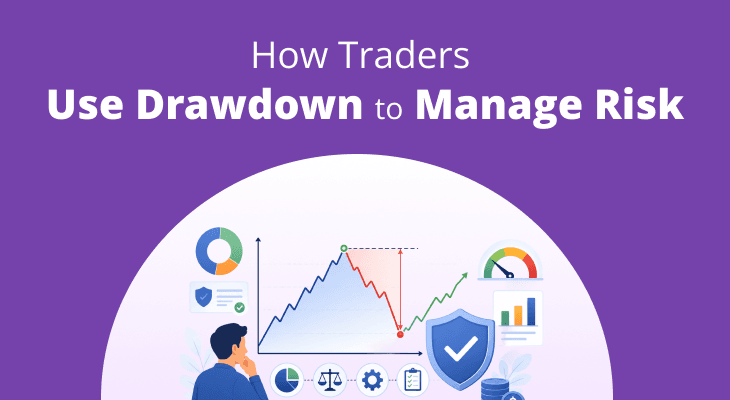
When evaluating an investment or trading strategy, returns usually receive the most attention. However, returns alone do not tell investors how much risk was taken to achieve them. Two portfolios may deliver the same annual return, but one may have experienced far steeper losses during market downturns. This is where max drawdown becomes useful. It measures the largest decline in the value of a portfolio, trading account, or investment from its highest point to its lowest point before a new peak is reached. Instead of focusing only on profits, it shows the worst historical loss an investor would have experienced by staying invested.
Iron Butterfly vs Iron Condor: Which Strategy Is Better?
August 19, 2026 | 0 mins read
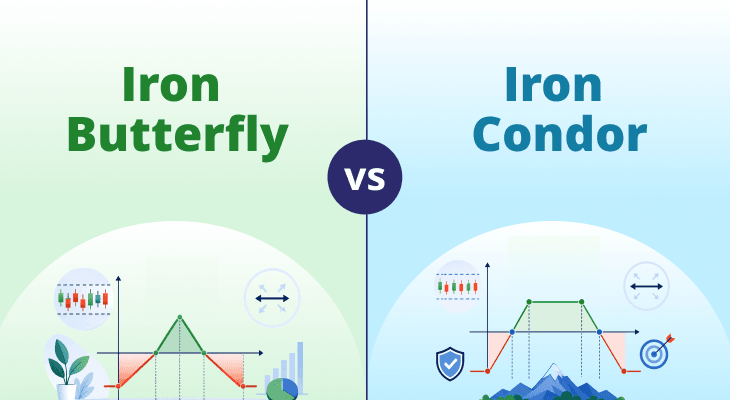
Options trading is not always about predicting the next big market move. At times, the market trades within a narrow range, creating opportunities for strategies that benefit from stability rather than direction. Two of the most widely used neutral strategies are the iron butterfly strategy and the iron condor options strategy. While both strategies use four option contracts and defined risk, they do not behave in the same way. Differences in strike selection, profit range, and risk-reward dynamics can significantly affect trading outcomes. Understanding the difference between an iron condor and an iron butterfly can help you select a strategy that matches your market expectations and trading objectives.
Iron Condor Strategy
August 19, 2026 | 0 mins read
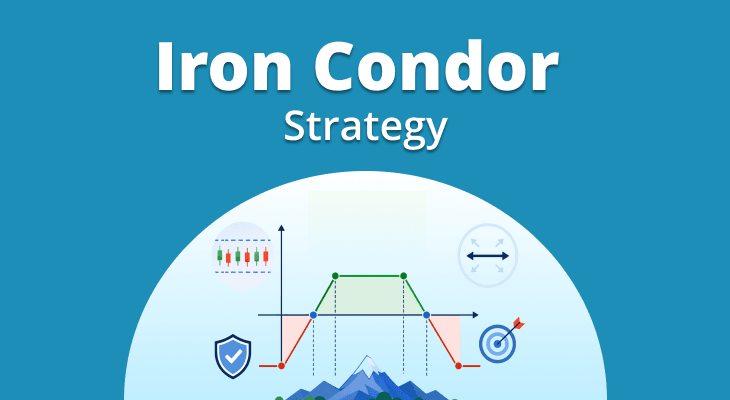
Markets do not always trend strongly. At times, prices remain within a narrow range, making directional trades more challenging. The iron condor strategy is designed for these market conditions. It doesn’t rely on a bullish or bearish outlook. It aims to generate returns when the underlying asset remains within a predefined price range. With clearly defined risk and reward, it has become a widely used approach among traders looking to capitalise on range-bound markets while maintaining controlled exposure.