
January 27, 2026 | 4 min read
Stock market to remain open on Sunday! NSE, BSE special trading session on Feb 1 for Budget 2026 presentation
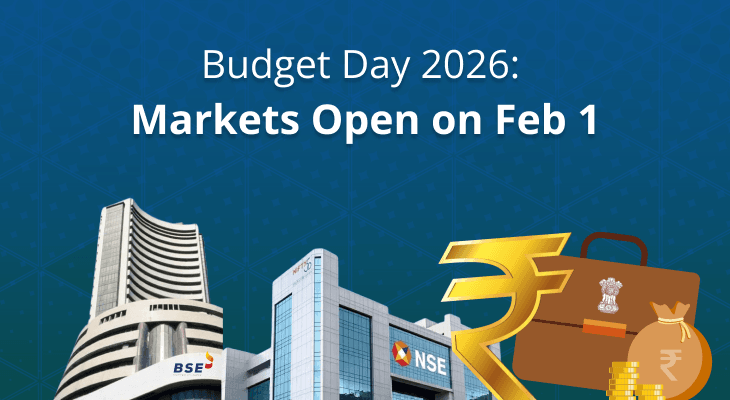
Union Budget 2026 will be presented on Sunday, 1st February 2026 and both NSE and BSE have declared 1st February as a special trading session for Union Budget 2026. The exchanges have clarified that markets will operate like a regular weekday session, so traders and investors can react to the Budget in real time.Union Budget Day is one of the most closely watched events by Indian investors and traders. Investors should know these things about stock market operations, trading timings, and key considerations on Budget Day.
Why does Budget Day impact the stock market?
Union Budget brings key announcements on taxes, spending, capital gains rules and sector incentives, all of which directly influence earnings expectations and valuations. As a result of this, Union Budget speeches by the finance minister often triggers sharp intraday moves across indices, banking, infra, consumption, PSU and tax sensitive stocks.
These announcements can influence:
- Investor sentiment
- Sector-specific stock movements
- Broader market trends
Volatility is usually higher when the finance minister starts here Union Budget speech as markets rapidly price in surprises, both positive and negative. As a result, the Union Budget speech often sees heightened volatility, increased trading volumes, and sharp reactions across equity and derivatives markets.
Are the stock markets open on 1st February 2026?
Yes. NSE and BSE will remain open for trading on Sunday, 1st February 2026, specifically because the Union Budget is being presented that day. The exchanges have issued circulars calling it a ‘special trading day’ and confirming that live trading will be available.
This makes 1st February one of the rare working Sundays for Dalal Street, like special Budget linked Saturday sessions in earlier years. This follows the long-standing practice of keeping markets open when the Union Budget is presented on a weekend.
NSE and BSE trading on Budget Day 2026
Both major stock exchanges NSE and BSE have aligned their schedules for Budget Day.
On 1st February 2026:
- Regular cash market (equity) trading will be available.
- Derivatives (F&O) and commodity derivatives segments will also remain open as per standard timings.
The indices (Sensex, Nifty50 and others) will be calculated as usual on this special trading day.
Stock market timings on Budget Day
For Budget Day 2026, trading hours will mirror normal weekday timings.
- Pre‑open session: 9:00 am to 9:08 am.
- Normal market (continuous trading): 9:15 am to 3:30 pm.
- Post closing session: 3:40 pm to 4:00 pm (as per NSE’s circular).
Block deals and certain special sessions also follow preannounced slots. For example, block deals around 8:45–9:00 am and 2:05–2:20 pm as per NSE’s schedule.
Which market segments remain open on Feb 1?
According to the exchange notices, the following segments will remain operational on Budget Day:
When Union Budget Day 2026, the following segments are expected to remain open:
- Equity (Cash) Market
- Equity Derivatives (F&O)
- Currency Derivatives
- Commodity Derivatives (subject to exchange notification)
This allows traders and investors across asset classes to respond to policy announcements.
However, some specialised sessions will not run on 1st February for instance, T+0 settlement and certain auction sessions are suspended due to settlement holiday constraints.
Is Budget Day listed as a stock market holiday?
No. Even though 1st February 2026 is a Sunday and coincides with Guru Ravidas Jayanti (a holiday in some states), it is not counted as a market holiday this year. The broader 2026 holiday calendar still shows 16 market holidays, but Budget Day is specifically carved out as a working trading session. So, the standard weekend closure is overridden only for this one special session. For traders and investors, this means treating Budget Day like any high volatility weekday. They should stay informed about official trading schedules and be prepared for higher-than-usual market activity.
Understanding how markets operate on Budget Day helps investors plan trades better and avoid last-minute confusion.
More Related Articles
How Traders Use Maximum Drawdown to Manage Portfolio Risk?
 August 19, 2026 | 0 mins read
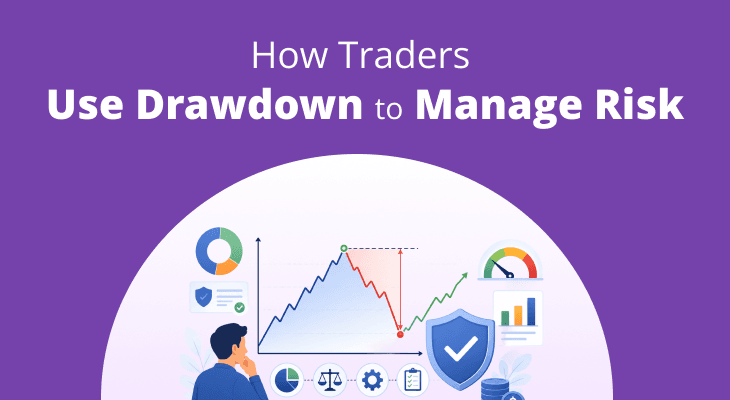
When evaluating an investment or trading strategy, returns usually receive the most attention. However, returns alone do not tell investors how much risk was taken to achieve them. Two portfolios may deliver the same annual return, but one may have experienced far steeper losses during market downturns. This is where max drawdown becomes useful. It measures the largest decline in the value of a portfolio, trading account, or investment from its highest point to its lowest point before a new peak is reached. Instead of focusing only on profits, it shows the worst historical loss an investor would have experienced by staying invested.
Iron Butterfly vs Iron Condor: Which Strategy Is Better?
August 19, 2026 | 0 mins read
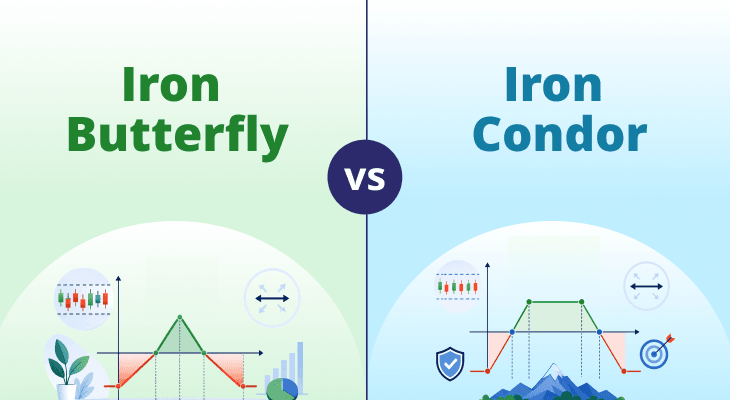
Options trading is not always about predicting the next big market move. At times, the market trades within a narrow range, creating opportunities for strategies that benefit from stability rather than direction. Two of the most widely used neutral strategies are the iron butterfly strategy and the iron condor options strategy. While both strategies use four option contracts and defined risk, they do not behave in the same way. Differences in strike selection, profit range, and risk-reward dynamics can significantly affect trading outcomes. Understanding the difference between an iron condor and an iron butterfly can help you select a strategy that matches your market expectations and trading objectives.

Iron Condor Strategy
August 19, 2026 | 0 mins read
Markets do not always trend strongly. At times, prices remain within a narrow range, making directional trades more challenging. The iron condor strategy is designed for these market conditions. It doesn’t rely on a bullish or bearish outlook. It aims to generate returns when the underlying asset remains within a predefined price range. With clearly defined risk and reward, it has become a widely used approach among traders looking to capitalise on range-bound markets while maintaining controlled exposure.