

May 22, 2026 | 5 min read
How to compare brokerage firms?
Choosing the right brokerage firm is the first and most essential step in your investment journey. This decision impacts how easily you can invest, how much you need to pay and how smoothly you can manage your investment over time.
With so many options available today, understanding how to compare and select a reliable brokerage firm has become crucial. When you have clarity about the features to look for and what to avoid, you can select the best Indian stockbroker that aligns with your financial goals and investment style.
In this blog, we will discuss key features to consider when selecting the right brokerage firm.
What are the factors to consider when comparing brokerage firms?
Before opening your brokerage account, ask yourself how often you trade, which investment products you prefer and how much brokerage charges you can afford. Based on this, here are the key factors to prioritise:
Fees and commissions
Brokerage charges are one of the most crucial factors to consider when comparing brokerage firms. Compare charges for different types of trade (intraday, equity delivery, etc.). Platforms like m.Stock offers flat ₹10 brokerage charges on all trades.
Also, review the account maintenance charges, as they can affect your gains. Most importantly, take a closer look at the hidden charges, like inactivity fees or withdrawal charges, before finalising your decision. You can also use tools like a brokerage calculator to decide on the right platform basis the fee and commission charges.
Trading platform
Compare the trading platforms based on tools, ease-of-use and execution speed. Make sure that your chosen platform offers an intuitive and user-friendly interface on both mobile and desktop. Further, ensure that it offers helpful tools like research reports, charts, real-time market data, portfolio tracking and so on.
Investment options
Make sure to compare the investment options available across various firms. The best Indian stock brokers like m.Stock offers access to stocks, mutual funds, futures & options, IPO, ETFs, and Pay Later (MTF), etc. Having a wide range of investment products allows you to diversify your portfolio and explore different asset classes.
Customer support
Prompt assistance is a key factor to consider when comparing brokerage platforms or firms. Check ratings and user reviews of your shortlisted brokerage firms to evaluate their responsiveness.
Besides, also check whether they offer knowledge resources, learning portals, and research reports to help you make informed investment decisions.
Regulatory compliance
This is another important consideration when comparing stock brokerage companies. Verify that your chosen broker is regulated by a reputable body. For instance, m.Stock is a SEBI-registered stockbroker in India with membership in BSE, NSE and MCX.
How to choose the right brokerage firm based on your needs?
The choice of the best brokerage firm depends on your personal investment style and the type of trade/investor you are.
For beginners
If you are new to investing and just getting started, focus on simplicity and convenience. Prioritise clear processes, an easy-to-use platform, and responsive customer support. These features will make your learning experience smoother.
As you become familiar, you can explore more investment options that align with your financial goals and risk appetite.
For active traders
If you are an active trader, transparent brokerage charges and a reliable platform are among the most important considerations. Look for the best Indian stock broker that offers clear and transparent per-order charges and obstacle-free execution during market hours. For instance, at m.Stock you can open a free demat account with ₹10 brokerage on all trades.
Also, ensure the platform provides real-time market data, advanced charting and other useful tools.
For long-term investors
If you are a long-term investor, opt for a brokerage firm or platform that makes it easier to purchase and hold shares, invest and redeem mutual funds or apply for IPOs. These are some of the most common ways to build wealth over a long-term horizon.
In this scenario, brokerage charges also play a key role. Priorities features like low commissions, a wide range of AMCs, easy SIPs and SWP instructions, etc. Trusted online brokers like m.Stock offers 0% commissions, convenient 2-click SIPs and 40+ AMCs and 3,500+ mutual fund schemes to choose from.
What are the benefits of choosing online brokerage firms over traditional brokers?
Unlike traditional stock brokers with complicated processes and pricing structures, online brokerage firms offer convenience, speed and transparency with a single robust platform. Below are some benefits you can consider:
Transparent pricing
Most online brokerage firms operate digitally with no physical branches. This allows them to offer affordable pricing as compared to traditional brokers. Moreover, a flat fee structure helps you to understand the cost beforehand and plan your investment accordingly. In simple terms, predictable brokerage charges and platform fees make it easier to track your expenses and avoid any financial strain.
Faster account opening
You can open and manage your account online in minutes by choosing the right platform. From KYC to fund transfers, everything is done digitally without the need for any complex paperwork.
Reputed online brokers like m.Stock offers a seamless and paperless account opening process.
Convenient digital access
The best online brokerage firm provides you with easy digital access, anytime and anywhere. You can check your investment portfolio and account via mobile apps and desktop applications.
This flexibility allows you to track your investments, place trade orders and manage funds from the comfort of your home or anywhere to fit your busy schedules.
Real-time visibility and control
This is one of the biggest advantages of choosing online brokerage firms. The right platform offers real-time status of your order, pricing, margins and other portfolio details. This transparency helps you stay updated and make informed investment decisions.
Online platforms help you stay aware of both potential and realised gains and losses to stay realistic and invest mindfully.
Conclusion
Comparing brokerage firms allows you to choose the right one based on your goals. As discussed above, factors like platform reliability, transparent brokerage charges and the type of product access play a key role in determining your investing experience. This approach helps you focus on long-term usability rather than short-term features.
Online brokerage firms make this decision easy by offering easy digital access and transparent pricing.
If you want to manage your investments online, you can consider opening an account with m.Stock that meets all these requirements. Join 15 lakh+ smart investors today!
Also Read: How to Choose the Best Share Broker in India | m.Stock
More Related Articles
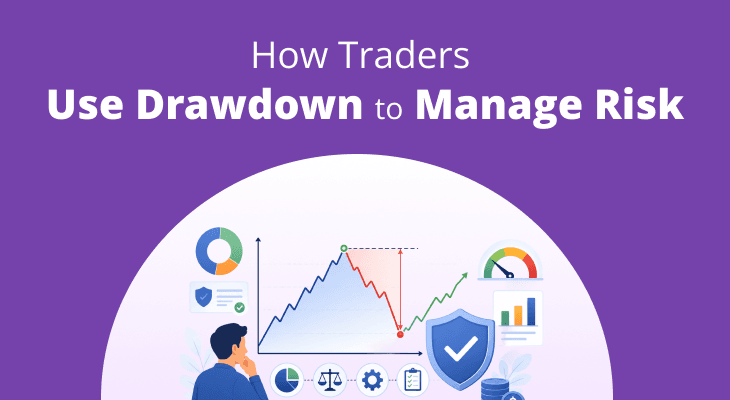
How Traders Use Maximum Drawdown to Manage Portfolio Risk?
 August 19, 2026 | 0 mins read
When evaluating an investment or trading strategy, returns usually receive the most attention. However, returns alone do not tell investors how much risk was taken to achieve them. Two portfolios may deliver the same annual return, but one may have experienced far steeper losses during market downturns. This is where max drawdown becomes useful. It measures the largest decline in the value of a portfolio, trading account, or investment from its highest point to its lowest point before a new peak is reached. Instead of focusing only on profits, it shows the worst historical loss an investor would have experienced by staying invested.
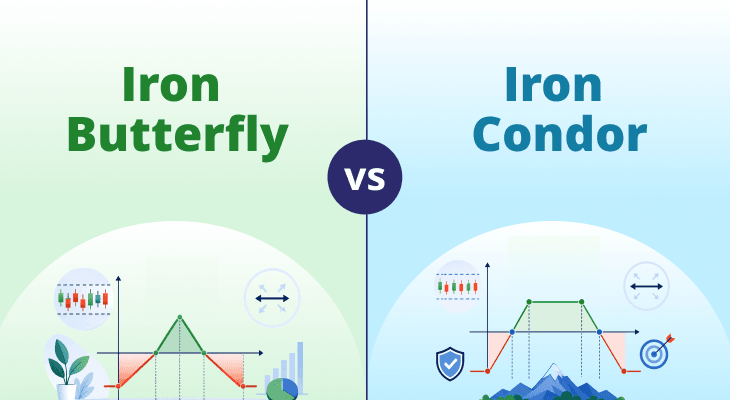
Iron Butterfly vs Iron Condor: Which Strategy Is Better?
August 19, 2026 | 0 mins read
Options trading is not always about predicting the next big market move. At times, the market trades within a narrow range, creating opportunities for strategies that benefit from stability rather than direction. Two of the most widely used neutral strategies are the iron butterfly strategy and the iron condor options strategy. While both strategies use four option contracts and defined risk, they do not behave in the same way. Differences in strike selection, profit range, and risk-reward dynamics can significantly affect trading outcomes. Understanding the difference between an iron condor and an iron butterfly can help you select a strategy that matches your market expectations and trading objectives.

Iron Condor Strategy
August 19, 2026 | 0 mins read
Markets do not always trend strongly. At times, prices remain within a narrow range, making directional trades more challenging. The iron condor strategy is designed for these market conditions. It doesn’t rely on a bullish or bearish outlook. It aims to generate returns when the underlying asset remains within a predefined price range. With clearly defined risk and reward, it has become a widely used approach among traders looking to capitalise on range-bound markets while maintaining controlled exposure.