

March 20, 2026 | 13 min read
High Beta Index: Meaning, Calculation & Why It Matters
Market indices help you understand how a group of stocks is performing, but not all indices behave in a similar way. Some capture stability, others reflect value or growth, and a few track volatility itself. The high beta index falls into the last category. It identifies stocks that move more sharply than the overall market, both upward and downward. If you actively track market sentiment or short-term trends, understanding what a beta index shows, can help you make more informed decisions. Whether you are analysing market momentum, designing a trading strategy, or assessing risk, the high beta index offers meaningful insights.
What Is a High Beta Index?
A high beta index is a market index made up of companies whose share prices tend to move more sharply than the overall market. The term “beta” refers to how sensitive a stock is to movements in the benchmark index. When a stock has a beta greater than 1, it usually rises faster in bullish periods and falls more steeply during corrections. An index built from these stocks is designed to track this amplified behaviour. A high beta index selects stocks that consistently show high historical beta values over a defined period, often one or three years. These stocks are then grouped to create a specialised index that reflects market momentum. Exchanges such as NSE maintain indices like the Nifty High Beta 50, which captures this high-volatility segment of the market.
For traders, the importance lies in understanding how these stocks react. They respond quickly to shifts in economic sentiment, policy changes, and global cues, making the high beta index a useful barometer of risk appetite in the market. Unlike a broad benchmark, it highlights the most volatile part of the equity universe, giving active traders insight into areas where price swings are likely to be more pronounced.
Understanding Beta Index
A beta index is designed to track how strongly a group of stocks reacts to movements in the broader market. Unlike indices that classify companies by size or sector, a beta-driven index focuses solely on volatility and sensitivity to market swings. When you examine a beta index, particularly a high beta index, you are essentially evaluating how certain stocks amplify the market’s behaviour, rising faster during rallies and falling harder during corrections. Beta assists in knowing how much a stock will move when the market moves. If the benchmark jumps by 1%, a stock with a beta of 1.5 may climb by 1.5%. On the other side, the same stock may drop at a similar pace when the market declines. This responsiveness makes beta a useful measure for traders who follow momentum and for investors who want a clearer sense of risk exposure.
Beta Stocks
Beta stocks are securities known for their heightened responsiveness to market fluctuations. Every listed stock carries its own beta value, which compares its return behaviour with that of a benchmark index such as Nifty 50 or Sensex. A stock’s beta reflects both its potential reward and the level of risk you take when investing in it. Highly volatile counters, especially in cyclical sectors, tend to carry higher beta values. Stable companies, on the other hand, show lower beta readings as their prices do not respond dramatically to market swings.
How is Beta in the Stock Market Determined?
Beta is a statistical measure that captures how much and how quickly a stock’s price changes relative to the market. The formula commonly used is:
Beta (β) = Covariance (Stock, Market) / Variance (Market)
- Covariance shows how the stock and market move together.
- Variance shows how volatile the market itself is.
The benchmark index is assigned a beta of 1, and other stocks are evaluated around that reference point. A stock with a beta > 1 is considered more volatile than the market and tends to exaggerate price movements. Conversely, a beta < 1 indicates relative stability. For example, during a bull phase, high beta stocks can rise sharply because they mirror market optimism. However, in a downturn, these same stocks can witness steep declines, making them riskier for conservative investors.
Who Should Invest in Beta Stocks?
- Aggressive investors seeking high growth – If you can handle sharp ups and downs, high-beta stocks may suit you as they amplify market movements and offer stronger upside during rallies.
- Momentum and short-term traders – Those who trade based on trends or technical signals often prefer high-beta counters as they move quickly and provide clearer trading opportunities.
- Balanced investors seeking market-linked returns – Stocks with beta around 1 are suitable if you want performance that broadly mirrors the market without excessive volatility.
- Risk-averse individuals – Low-beta stocks are suitable if stability matters more than rapid gains, helping cushion the portfolio during market declines.
- Investors looking for diversification – Negative-beta assets, such as gold, can help offset equity volatility and act as a hedge during uncertain conditions.
Types of Beta in Indian Stocks
Here are the different types of beta in Indian stocks:
1. β>1
Stocks with a beta above 1 are highly sensitive to market movements. They usually belong to mid-cap or small-cap companies that can grow quickly but also face greater volatility. These stocks tend to rise faster than the market during rallies, yet they can fall sharply during downturns as their underlying businesses are more vulnerable to economic swings.
2. β<1
When a stock carries a beta below 1, it indicates relative stability. These companies do not react dramatically to daily market fluctuations, making them suitable for investors who prefer steadier returns. Although their upside potential during bull markets is limited, they help cushion a portfolio during market corrections.
3. β=1
A beta close to 1 suggests that the stock generally moves in line with the benchmark index. Many large-cap firms fall into this category, as they are heavily represented in indices like Nifty 50 and Sensex. Their performance tends to mirror broader market conditions, offering predictability for investors who want moderate risk.
4. β=0
Assets with a beta of zero do not correlate with the stock market. Instruments like government bonds, fixed deposits, and cash equivalents fall into this group. They offer safety of capital and stable returns, making them ideal for conservative investors who want to reduce overall portfolio volatility.
5. β<0
A negative beta indicates that the asset moves in the opposite direction to the stock market. Gold is the most widely recognised example. During market stress or economic uncertainty, gold prices often rise, helping investors hedge against downturns and inflation. These assets provide a layer of diversification that can protect portfolios in volatile periods.
What Makes High Beta Stocks Stand Out?
High beta stocks tend to:
- Rise quickly during bullish phases
- Fall harder during corrections
- Attract traders looking for momentum
- Require careful risk management due to amplified swings
Calculation of High Beta Index
The calculation of a high beta index involves several steps designed to identify stocks with consistently higher volatility.
1. Calculate Individual Stock Beta: A stock’s beta is computed using regression analysis between stock returns and index returns, usually for one year or three years.
2. Rank Stocks by Beta: Only stocks with the highest beta values qualify.
3. Apply Liquidity & Free-Float Filters: To ensure smooth trading, stocks must meet minimum volume and free-float criteria.
4. Compute Index Weighting: Most high beta indices, like Nifty High Beta 50, use free-float market capitalisation weighting.
Formula Insight
Although you don’t calculate the entire index manually, the beta for each stock is derived using:
Beta = Covariance (Stock, Market) / Variance (Market)
This ensures the index contains stocks that reliably exaggerate market movements.
Examples of High Beta Stocks
High beta stocks usually come from sectors that react strongly to economic cycles, such as automobiles, metals, banking, and capital goods. These companies often display sharp price movements as their earnings fluctuate with market sentiment, commodity prices, or broader economic activity. Below is a simplified table highlighting popular high beta stocks in India, along with their sectors and indicative beta values:
Stock Name | Sector | Beta Value (Approx.) |
|---|---|---|
Adani Enterprises | Infrastructure | 2.5 |
Tata Motors (TATAMOTORS) | Automotive | 1.77 – 1.8 |
JSW Steel | Metals | 2.2 |
Vedanta (VEDL) | Metals & Mining | 1.57 |
Bajaj Finance | Financial Services | 1.6 |
India bulls Housing Finance (IBULHSGFIN) | Housing Finance | 1.85 |
Yes Bank (YESBANK) | Banking | 1.68 |
Reliance Industries | Energy & Conglomerate | 1.4 |
How High Beta Stocks Influence the High Beta Index?
High beta indices, such as the Nifty High Beta 50, are built to capture stocks that move more aggressively than the benchmark. The behaviour of constituent stocks directly impacts the index in the following ways:
- Sharper Market Response: When high beta stocks rally, the entire index surges faster than the broader market as each stock carries amplified sensitivity to price movements.
- Deep Corrections During Downturns: In falling markets, these indices decline faster as constituent stocks typically react more strongly to negative sentiment.
- Momentum-Driven Composition: The index periodically reshuffles to include stocks whose beta remains consistently high. This ensures the index always tracks the most volatile opportunities.
- Reflects Risk Appetite: A rising High Beta Index signals increasing trader willingness to take risk, while a decline often suggests shifting interest toward defensive sectors.
Why Investors Track High Beta Index?
Tracking a high beta index suits investors who want a clearer picture of how certain stocks respond to broad market swings. These indices highlight companies that move more aggressively than the benchmark, offering insights into momentum, sentiment, and risk. The reasons investors follow them closely are explained below:
1. Identifying Market-Sensitive Opportunities
A high beta index helps you spot stocks that react sharply to market movements. When the market enters a strong upward phase, these stocks tend to amplify the rise, allowing investors to capture higher returns within a shorter period. This makes the index useful for momentum-driven strategies.
2. Gauging Risk Appetite and Volatility
Investors who actively manage their portfolios often monitor high beta indices to understand where volatility is concentrated. As high beta stocks can swing widely, the index acts as a natural indicator of how aggressive or cautious you should be with allocation during fast-moving phases of the market.
3. Supporting Short-Term Trading Strategies
Short-term traders, especially those involved in derivatives, use high beta indices to find counters with strong intraday movement. Stocks with higher beta values typically offer wider price ranges during the day, creating opportunities for quick trades, momentum plays, or volatility-based setups.
4. Anticipating Market Trends Earlier
High beta stocks tend to respond faster to changes in sentiment, whether positive or negative. By examining how the high beta index moves relative to the broader benchmark, investors can get an early sense of improving or deteriorating market conditions, acting ahead of broader market reaction.
5. Enhancing Tactical Portfolio Allocation
Some investors use high beta indices to adjust their equity exposure depending on the market cycle. In a strong bull environment, higher allocation toward high beta stocks may help maximise returns. In volatile or falling markets, the same index serves as a cue to reduce exposure or shift toward defensive counters.
6. Benchmarking Aggressive Equity Funds
Many aggressive mutual funds or thematic schemes use high beta indices as a reference to measure performance. By tracking the index, investors get clarity on how well their fund manager is handling volatility, managing risk, and generating returns in comparison to a commonly accepted benchmark.
Benefits of Investing in High Beta Stocks
Investing in high beta stocks can be rewarding if you understand market cycles and are comfortable with sharper price swings. These stocks move more rapidly than the broader market, which creates opportunities for stronger returns when conditions are favourable.
1. Stronger Upside Potential
One of the biggest advantages of high beta counters is their ability to magnify market gains. When the benchmark index rises, these stocks typically climb at a faster pace, giving you the chance to earn higher-than-average returns during bullish phases.
2. Access to Fast-Growing Sectors
A large proportion of high beta names come from high-growth areas such as technology, automobiles, finance, and certain consumer industries. These businesses often expand aggressively, and their earnings momentum can translate into meaningful capital appreciation for investors willing to stay through short-term fluctuations.
3. Advantage in Cyclical Phases
Many high-beta companies belong to sectors that thrive when the economy picks up. Industries like metals, autos, and infrastructure tend to perform strongly during economic expansions, allowing you to benefit from broader cyclical recoveries and upturns.
4. Amplified Gains During Market Rallies
As these stocks respond quickly to positive sentiment, they can capture a larger share of market rallies. When you correctly anticipate upward momentum, high beta stocks can deliver outperforming returns compared with more stable, low-beta alternatives.
Risks and Limitations
Investing through a high beta index can be rewarding when markets are rising, but the same sensitivity that boosts returns can also expose you to deeper drawdowns. As high beta stocks react more sharply than the broader market, understanding their risks is just as important as recognising their potential. Below are the major limitations you should keep in mind before relying on beta-driven strategies.
1. Sharp Market Sensitivity
As high beta stocks respond aggressively to market swings, even a mild correction can result in steep price drops. These exaggerated movements can turn profitable positions into losses quickly, demanding a strong ability to manage short-term volatility.
2. Unpredictable Volatility Spikes
A high beta index often includes stocks that react instantly to global cues, commodity prices, or interest rate changes. These sudden bursts of volatility may not match the company’s fundamentals, making the short-term price trend difficult to analyse or trade confidently.
3. Higher Risk During Downturns
In a falling market, high beta stocks typically decline much faster than the benchmark. Policy changes, global slowdowns, or corporate announcements can trigger accelerated sell-offs, making these stocks unsuitable for conservative or risk-averse investors.
4. Dependence on Market Liquidity
Many constituents of a high beta index belong to sectors or market caps where liquidity fluctuates. During low-liquidity phases, prices can behave erratically, causing wider spreads and unexpected slippage, especially for large orders.
5. Limited Suitability for Long-Term Stability
The aggressive price behaviour of high beta stocks may disrupt long-term portfolio balance. They require active monitoring and may not fit investors who prioritise steady compounding or lower volatility over potential short bursts of outperformance.
Things to Remember While Investing in High Beta Stocks
- Market Conditions: Track overall market sentiment, as high beta shares tend to swing more sharply during volatility.
- Investment Horizon: Short-term traders may benefit from quick movements, while long-term investors should check if the company’s fundamentals justify staying invested.
- Sector Influence: Many high beta stocks belong to cyclical industries, so their performance often shifts with economic conditions and policy changes.
- Risk Tolerance: These stocks experience larger price swings, so ensure the volatility suits your financial goals and comfort level.
High Beta Index vs Low Beta Index
Knowing the difference between high-beta and low-beta indices helps you assess how different sets of stocks behave under changing market conditions. Both serve distinct purposes. One amplifies market moves, while the other cushions them. The given table explains their factors:
Aspect | High Beta Index | Low Beta Index |
|---|---|---|
Definition | Tracks stocks that move more sharply than the market, usually with beta values above 1. | Tracks stocks that move less than the market, typically with beta values below 1. |
Volatility | High, with significant price swings during market movement. | Low, with more stable and predictable price behaviour. |
Return Behaviour | Often outperforms the market during bullish phases due to amplified gains. | Performs better in bearish or range-bound markets by limiting downside losses. |
Risk Level | High risk, driven by heightened sensitivity to market sentiment. | Lower risk, as prices react mildly to market fluctuations. |
Typical Sectors | Cyclical sectors such as autos, metals, finance, and technology. | Defensive sectors like FMCG, utilities, healthcare, and consumer staples. |
Ideal For | Traders seeking aggressive growth and are comfortable with volatility. | Investors who prefer stability, capital protection, and steady long-term returns. |
Drawdown Impact | Larger and sharper drawdowns during market corrections. | Smaller and smoother drawdowns during market declines. |
Market Sentiment Sensitivity | Very high. It rises quickly with optimism and falls sharply with fear. | Low. It remains steady despite short-term sentiment shifts. |
Conclusion
A high beta index gives you a unique lens to assess how aggressively the market is moving. If you follow momentum, participate in short-term swings, or track sentiment shifts, high beta indices offer valuable insight. However, they demand caution, discipline, and clear risk management. Understanding both high beta and low beta dynamics helps you choose a strategy aligned with your goals, whether capturing rapid gains or preserving stability. Ultimately, your use of a beta index should match your risk appetite and trading style.
More Related Articles
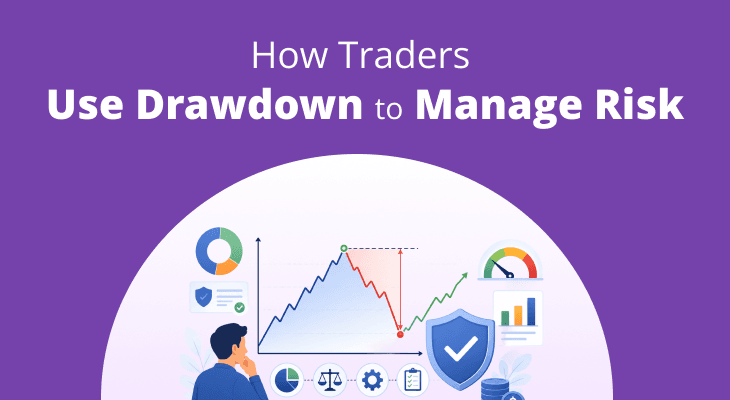
How Traders Use Maximum Drawdown to Manage Portfolio Risk?
 August 19, 2026 | 0 mins read
When evaluating an investment or trading strategy, returns usually receive the most attention. However, returns alone do not tell investors how much risk was taken to achieve them. Two portfolios may deliver the same annual return, but one may have experienced far steeper losses during market downturns. This is where max drawdown becomes useful. It measures the largest decline in the value of a portfolio, trading account, or investment from its highest point to its lowest point before a new peak is reached. Instead of focusing only on profits, it shows the worst historical loss an investor would have experienced by staying invested.
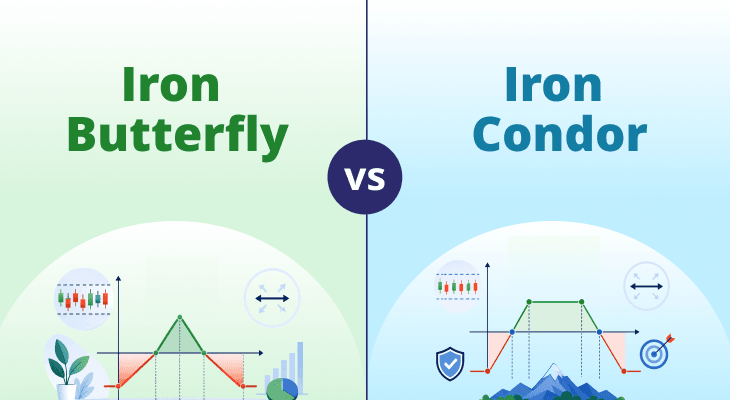
Iron Butterfly vs Iron Condor: Which Strategy Is Better?
August 19, 2026 | 0 mins read
Options trading is not always about predicting the next big market move. At times, the market trades within a narrow range, creating opportunities for strategies that benefit from stability rather than direction. Two of the most widely used neutral strategies are the iron butterfly strategy and the iron condor options strategy. While both strategies use four option contracts and defined risk, they do not behave in the same way. Differences in strike selection, profit range, and risk-reward dynamics can significantly affect trading outcomes. Understanding the difference between an iron condor and an iron butterfly can help you select a strategy that matches your market expectations and trading objectives.

Iron Condor Strategy
August 19, 2026 | 0 mins read
Markets do not always trend strongly. At times, prices remain within a narrow range, making directional trades more challenging. The iron condor strategy is designed for these market conditions. It doesn’t rely on a bullish or bearish outlook. It aims to generate returns when the underlying asset remains within a predefined price range. With clearly defined risk and reward, it has become a widely used approach among traders looking to capitalise on range-bound markets while maintaining controlled exposure.
FAQ
A beta index is an equity index constructed based on the beta values of stocks rather than their size or sector. It helps you understand how a selected group of stocks moves relative to the market. High beta indices track volatile stocks, while low beta indices highlight defensive ones.