
April 1, 2026 | 5 min read
What are the performance metrics for Trading APIs?
With a trading API to handle your trade execution, you can navigate the modern algorithm-driven market with ease. When you deploy a strategy, the API trading platform decides how well those instructions travel. Along with that, the speed at which they reach the exchange and whether the responses arrive intact are also covered.
These mechanics influence your trades’ execution quality far more than you might realise. Let’s delve deeper into the core performance metrics to determine whether an API for stock market trading can support consistent decision-making, especially in volatile market conditions.
Why do performance metrics matter for trading APIs?
Performance metrics help you translate the system behaviour into measurable signals. They also let you see how an API in trading behaves in calm markets and during sudden surges in activity.
When markets move quickly, your chosen trading systems have to process thousands of requests within seconds. However, if the online trading API slows down or starts failing under load, your strategy may execute late or, in some cases, not at all.
Metrics highlight all these weaknesses early, giving you a chance to adjust before your capital is affected. For example -
- Transparency - Without clear and transparent measurements, you rely on assumptions rather than evidence. Reliable metrics help replace guesswork with data-driven confidence.
- Execution quality - Delays increase the gap between your intended and actual market prices, thus affecting order flow. And over time, these issues quietly erode your profits/returns.
Why don’t averages tell the full story?
Average performance often hides extreme behaviour on both ends. Furthermore, markets rarely operate under average conditions, especially during volatility spikes.
How is API latency different from response time?
Latency and response time both describe separate phases of an API interaction. For starters, latency measures the delay between you sending a request and then receiving the first byte of data.
Response time, by contrast, captures the entire duration until the full response arrives. It includes network delay and server-side processing. Hence, a system can show low latency yet still respond slowly if internal processing takes longer.
Percentile tracking
Percentiles such as P95 and P99 show you how the system behaves during worst-case scenarios. And the periods with high market volatility also carry a greater financial impact.
Monitoring both metrics
Latency influences the speed of your order placement. Whereas response time affects confirmation and execution feedback. Together, they reveal the full performance picture; therefore, it is advisable to evaluate both key metrics.
What technical metrics define a reliable trading API?
Technical metrics help you assess whether the API infrastructure can sustain consistent trading operations. As a trader, it helps navigate across varying market conditions.
- Latency: It remains a primary indicator of speed and is important to factor in. Also, lower latency allows faster order submission, which becomes critical for your short-duration strategies.
- Execution speed: It measures how quickly your orders are processed and filled once they’re received. Faster execution reduces your slippage costs and missed price opportunities.
- Throughput: This metric measures how many requests the API can successfully tackle per second. Plus, stable throughput during heavy load indicates proper scaling and queue management.
- Error rate: This factor tracks failed requests. Even a small increase demands your attention, as failures often occur during peak activity periods on an online trading platform.
- Availability: This will measure how consistently the API remains accessible to you. With a high uptime, the technology can support uninterrupted strategy execution across trading hours.
How does execution speed affect trading costs?
Execution speed directly influences your trading-related costs, and these costs are rarely charged as explicit fees. For instance, slower systems will always face higher slippage during volatile conditions.
Are you an intraday trader with high-frequency strategies? Then, even small delays compound across multiple trades. And over time, these small gaps reduce the overall trading efficiency.
As a result, monitoring execution speed helps you align the strategy design with the API system's capabilities. It also highlights whether infrastructure improvements will produce tangible results.
Which metrics evaluate the performance of trading strategies using APIs?
Once you have established the technical reliability, strategy-level metrics will further determine whether trading logic performs as intended. Here’s how:
- Win rate: It measures the proportion of profitable trades. Please note that while it’s useful, it doesn’t actually account for trade size or the magnitude of loss.
- Profit: This factor helps you compare total gains to your total losses. Hence, it reveals whether the profits structurally outweigh losses over time.
- Maximum drawdown: It shows the largest decline from the account's peak value. You can then know how the strategy behaves, especially during unfavourable periods.
- The Sharpe ratio is a fairly popular metric for evaluating returns relative to volatility. Higher values of the ratio indicate more consistency in risk-adjusted performance.
Should risk metrics accompany return metrics?
Yes, and it’s because returns without context create a distorted picture. Moreover, risk metrics explain how those returns are achieved and whether they can remain sustainable. Take a look:
- Risk-reward ratio: This metric compares your potential gains against potential losses. If your strategies are balanced, they will typically maintain favourable ratios to absorb inevitable losing periods.
- Drawdowns: They reveal the emotional and financial pressure points. And extended declines test your discipline, as well as your capital allocation decisions.
- Consistency: Remaining consistent often matters more than the peak gains. With smooth performance, the API effortlessly supports long-term deployment and operational stability.
Monitoring trading API performance effectively
For effective monitoring, real-time dashboards are quite efficient. In fact, they precisely track latency spikes and surges in errors. Furthermore, alerts allow you to intervene quickly during failures.
With historical analysis, you can identify gradual changes in performance to better plan capacity and refine infrastructure. Additionally, pay attention to your unique trading strategy needs. For example, long-term strategies may tolerate higher latency, but the short-term systems demand tighter thresholds.
Conclusion
Performance metrics help you convert technical claims into measurable reality, even under real trading conditions.
Are you planning to explore API-based trading soon? Then, opening an account with m.Stock gives you access to a trading API environment designed for active participation, with zero integration and recurring costs. You can apply these metrics to your own strategies and refine your system’s performance through informed analysis.
Also Read: Regulatory Issues with Trading APIs in India | m.Stock
More Related Articles
How Traders Use Maximum Drawdown to Manage Portfolio Risk?
 August 19, 2026 | 0 mins read
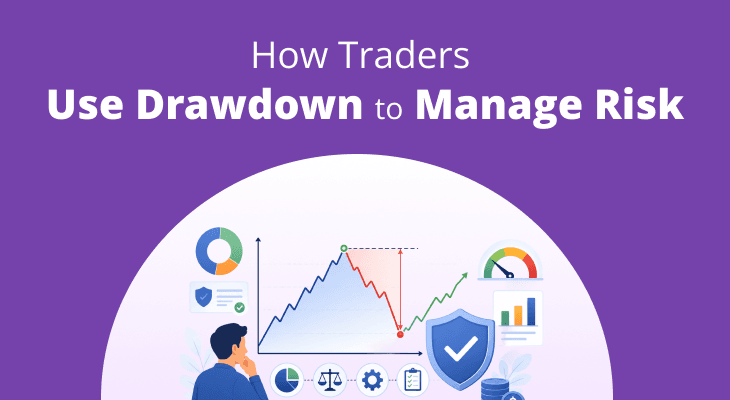
When evaluating an investment or trading strategy, returns usually receive the most attention. However, returns alone do not tell investors how much risk was taken to achieve them. Two portfolios may deliver the same annual return, but one may have experienced far steeper losses during market downturns. This is where max drawdown becomes useful. It measures the largest decline in the value of a portfolio, trading account, or investment from its highest point to its lowest point before a new peak is reached. Instead of focusing only on profits, it shows the worst historical loss an investor would have experienced by staying invested.
Iron Butterfly vs Iron Condor: Which Strategy Is Better?
August 19, 2026 | 0 mins read
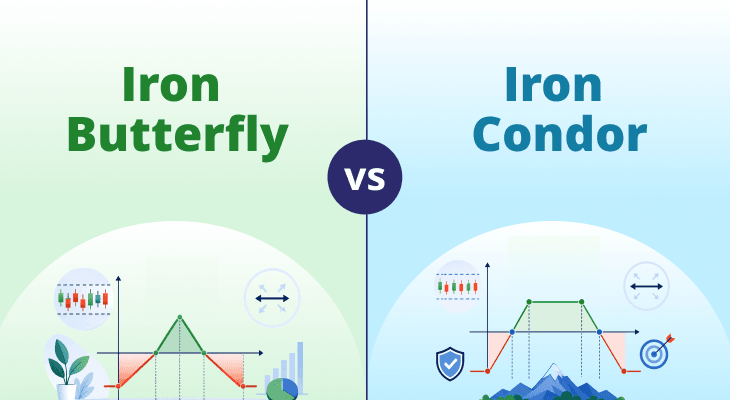
Options trading is not always about predicting the next big market move. At times, the market trades within a narrow range, creating opportunities for strategies that benefit from stability rather than direction. Two of the most widely used neutral strategies are the iron butterfly strategy and the iron condor options strategy. While both strategies use four option contracts and defined risk, they do not behave in the same way. Differences in strike selection, profit range, and risk-reward dynamics can significantly affect trading outcomes. Understanding the difference between an iron condor and an iron butterfly can help you select a strategy that matches your market expectations and trading objectives.
Iron Condor Strategy
August 19, 2026 | 0 mins read
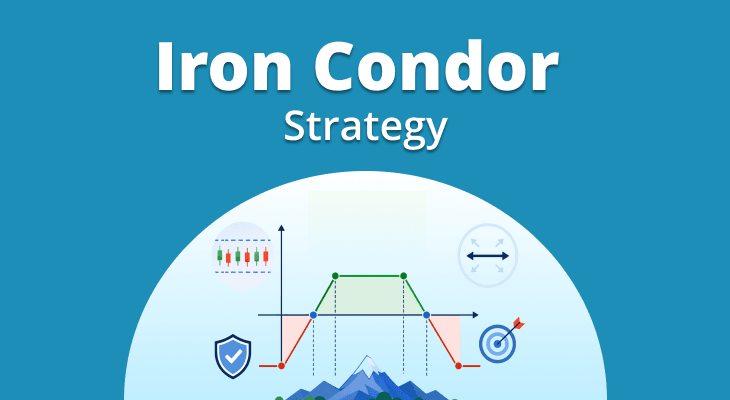
Markets do not always trend strongly. At times, prices remain within a narrow range, making directional trades more challenging. The iron condor strategy is designed for these market conditions. It doesn’t rely on a bullish or bearish outlook. It aims to generate returns when the underlying asset remains within a predefined price range. With clearly defined risk and reward, it has become a widely used approach among traders looking to capitalise on range-bound markets while maintaining controlled exposure.