
July 2, 2026 | 7 min read
Why You Should Invest in ETFs via SIP?
When you invest in ETFs through SIP, you spread your purchases across many months and index levels. You buy more units when prices fall and fewer units when prices rise, which smooths your average cost over time. This approach helps you focus on staying consistent instead of worrying about whether today is the ‘right’ day to invest or not.
If you want to invest ₹6,000 every month in equities. You start SIP in a Nifty 50 ETF & buy units at 18,000, 19,500, 17,000, and so on as the index moves. Over 5-10 years, your average cost reflects all those levels instead of one risky entry point.
Rohan keeps waiting for the ‘big crash’ to start investing. Months pass, markets move up and down, and his money stays in the bank. Whereas Meera picks a simple Nifty ETF, starts a ₹3,000 SIP, and forgets about timing. Ten years later, she has a solid pile of units and real wealth, while Rohan has only memories of news, not investments.
This is the real edge of investing in ETFs via SIP. You stop waiting for the perfect moment and let disciplined, low-cost investing quietly build your wealth over time. You invest through ETFs via SIP when you want disciplined, low-cost exposure to markets without the stress of timing every entry. You turn a volatile product into a simple monthly habit that works in the background for your goals.
What is ETF SIP?
An ETF SIP is a systematic investment plan where you invest a fixed amount in a chosen ETF at regular intervals, usually monthly. You still buy units on the exchange through your demat account, but you do this on a fixed date with a fixed amount.
How Does It Work?
You set up a monthly SIP of ₹3,000 in a Nifty 50 ETF. On your SIP date, if the ETF trades at ₹200, you get 15 units. If next month it trades at ₹150, the same ₹3,000 buys 20 units. Your unit count grows faster when the market dips.
Why SIP Works Well with ETFs?
SIP and ETFs fit together naturally
- ETFs already provide diversified exposure to an index at low cost. SIP adds automatic discipline on top.
- Equity markets remain volatile. SIP converts this volatility into an opportunity by averaging your entry price.
- ETF costs usually stay lower than those of many active funds, so a long-running SIP keeps more of your returns in your pocket.
For example, two friends invest in the same index. Amit invests ₹1 lakh lump sum in a Nifty 50 ETF at the peak. Neha invests the same ₹1 lakh through a ₹5,000 ETF SIP for 20 months across both highs and lows.
If the market corrects after Amit’s entry, his portfolio shows a large drawdown upfront. Whereas Neha’s SIP buys more when prices are lower, which softens the impact of that correction.
SIP in ETF vs Lump Sum ETF Investing
Both methods use ETFs, but they suit different situations.
- Lump sum ETF investing fits when you already have a large amount and can tolerate sharp short-term moves. A well-timed lump sum can work very well, but a poorly timed one can be painful.
- SIP in ETF suits regular income and emotional comfort. You invest smaller amounts month after month, which reduces timing risk and makes the journey smoother.
For example, if you receive a ₹3 lakh bonus, you can invest ₹1.5 lakh as a lump sum in an ETF and route the remaining ₹1.5 lakh as a ₹10,000 SIP each month for 15 months. This blend balances opportunity and risk.
How to use SIPs in ETFs Effectively?
You can keep your ETF SIP strategy simple and purposeful.
- Use broad market ETFs as your core SIP choices, such as a large-cap index ETF or a broad-based index ETF.
- Link each SIP to a clear goal like retirement in 20 years, a child’s education in 15 years, or a house down payment.
- Choose amounts that you can sustain comfortably. It is better to run a ₹3,000 SIP for 10 years than a ₹10,000 SIP that you stop after 1 year.
For example, Meera plans for retirement 25 years away. She sets up:
- ₹6,000 SIP in a Nifty 50 ETF
- ₹4,000 SIP in a broader market ETF
She increases both by ₹1,000 every 2-3 years as her salary grows. This simple ETF SIP strategy compounds steadily without frequent changes.
How to do SIP in ETF?
The exact steps depend on your broker, but the broad process remains similar.
- Select your ETF: Decide which ETF you want to use. Many investors start with a Nifty 50 or similar diversified equity ETF.
- Check Liquidity: Look at average daily volume and bid–ask spread. There is a small gap between the price buyers are willing to pay for the ETF and the price sellers are asking for it. A liquid ETF with tight spreads ensures your SIP trades execute efficiently.
- Fund your account: Ensure your trading account has enough funds a day before the SIP date, so orders do not fail.
- Monitor and Review Annually: Track how many units you own and how the ETF behaves, but avoid reacting to every short-term market move. Review your SIP amount and ETF choice once a year.
- Set up SIP or Reminders: If your broker offers an ‘ETF SIP’ feature, you can set the ETF, amount, and date. If not, you can set calendar reminders and place a buy order manually on that date each month.
For example, if your platform does not support automatic ETF SIPs. You can still create a manual systematic investment by setting a reminder for the 5th of every month and placing a buy order in your chosen ETF for ₹2,000 on that date without fail.
How to invest in ETFs on m.Stock?
- Log in to the m.Stock app.
- Search for your desired ETF and tap on buy.
- Enter the quantity and other order details, then place the order to complete your ETF purchase.
Who Should Invest in ETFs via SIP?
ETF SIPs suit many types of investors.
- First job professionals can start with small SIPs and gradually step them up as income grows.
- Families with regular cash flows can align SIPs with salary dates to create a ‘pay yourself first’ habit.
- Existing mutual fund SIP investors who want more transparency and control can complement these with ETF SIPs.
- Independent asset managers can use ETF SIPs to implement their planned equity portion simply.
For example, a couple decides that they want 60% of their long-term money in equity. They run SIPs into two equity ETFs for that 60% and use separate recurring deposits or debt funds for the remaining 40%.
What Are the Risks and Limitations of ETF SIPS?
ETF SIPs reduce timing risk, but you still face real investment risks.
- Markets can remain weak for long stretches. Your SIP units may stay in loss for years before they recover.
- If you choose a thematic or narrow ETF for SIP, for example, a very niche sector, you may average into a theme that never comes back strongly.
- Low-liquidity ETFs can result in poor execution and higher effective costs.
For example, if you run a SIP only in a highly cyclical single-sector ETF, you may see large ups and downs that feel uncomfortable. A broad index ETF SIP usually offers a more balanced experience.
SIP in ETFs combines the best parts of both worlds. You get low-cost, diversified, index-based exposure through ETFs and a disciplined, rupee-cost-averaging approach through SIP. Over long horizons, this combination can help you build wealth steadily while you avoid the trap of trying to time every market move. The key is to choose simple, liquid ETFs, link your SIPs to real goals, and stay patient through the cycles.
More Related Articles

How stock market psychology influences investment decision-making
 October 23, 2026 | 0 mins read
Stock market psychology refers to the collective emotions, sentiment, and behavioural biases that influence the buying and selling decisions of investors. Rather than relying on fundamental and technical analysis, investors may sometimes react based on emotions, which can influence market movements.

Peer-to-peer lending 101: All you need to know
October 23, 2026 | 0 mins read
Peer-to-peer lending, or P2P lending, is a model that enables borrowers and lenders to connect directly. The transactions take place through regulated digital platforms without the intervention of any bank or Non-Banking Financial Company (NBFC). Regulated by the Reserve Bank of India (RBI), P2P lending comes in handy for individuals who are unable to obtain a loan due to reasons such as low credit scores, low income, or lack of collateral. While the eligibility criteria may be more flexible, interest rates can be lower or higher depending on the borrower’s profile.
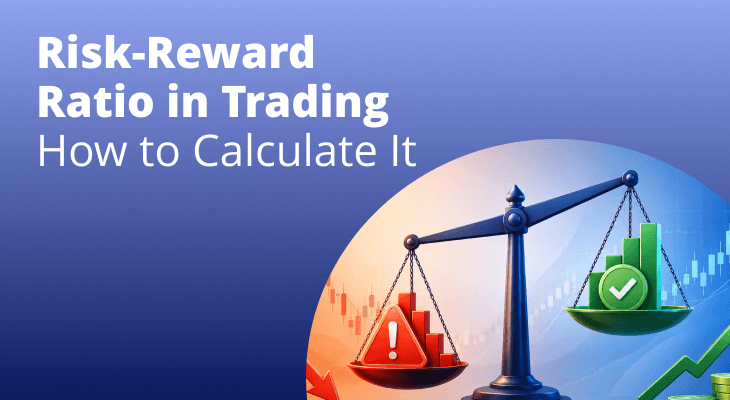
How to Calculate Risk-Reward Ratio in Stock Trading?
October 22, 2026 | 0 mins read
The risk reward ratio compares the amount of money a trader is prepared to risk on a trade with the amount they expect to earn if the trade reaches the target price. Before entering a trade, experienced traders usually estimate two things: the maximum amount they are willing to lose if the trade goes wrong and the potential profit if the trade performs as expected. Comparing these two values helps determine whether the trade offers a favourable balance between risk and reward.
FAQ
SIP in ETFs and SIP in mutual funds both encourage regular investing. ETF SIPs usually come with lower ongoing costs and real-time price visibility. Mutual fund SIPs offer simple end-of-day NAV execution and may feel easier for someone who does not want to think about the exchange. The better option depends on your comfort with placing ETF orders and your preference for transparency versus simplicity.