

February 13, 2026 | 5 min read
What Is Buy and Hold Investing?
Buy and hold investing is a long-term investment approach where you purchase financial assets - such as stocks, index funds, or mutual funds - and hold onto them for an extended period, regardless of short-term market ups and downs. Rather than timing the market or chasing quick gains, this strategy assumes that quality assets appreciate in value over time thanks to economic growth, corporate earnings growth, and reinvested earnings. In this strategy, rather than worrying about daily price changes, investors focus on staying invested so they can benefit from long-term price appreciation, dividends, and the power of compounding. This makes buy and hold investing a popular choice for people who want steady wealth creation with less stress.
In simple terms, buying today and holding for many years lets you potentially benefit from capital appreciation, compounding returns, and dividends, without the stress and costs associated with frequent trading.
How Does the Buy and Hold Strategy Work?
The mechanics of buy and hold are straightforward, but the mindset required is disciplined:
Research & Selection
You start by choosing fundamentally strong assets - like well-managed companies, broad market index funds, or diversified mutual funds that you believe will grow over years or decades. Choose at reasonable valuations based on fundamentals like earnings, market position, and growth potential.Purchase
Once selected, you buy these assets and add them to your portfolio - ideally at valuations that make sense based on fundamentals like earnings, market position, and future growth potential.Hold Through Cycles
Markets don’t move in a straight line. There are bull runs, corrections, and bear markets. Buy and hold investing ignores short-term volatility and focuses on long-term trends. Holding through cycles lets you capture rebounds and growth that might occur after downturns.Compounding & Reinvesting
Dividends and profit distributions can be reinvested to buy more units or shares, allowing compounding to work its magic over time, effectively earning ‘returns on returns.’Minimal Trading
Unlike frequent traders who buy and sell to capture short-term price moves, buy and hold investors trade little, reducing transaction costs and emotional decision-making.
Buy and Hold Meaning in Simple Terms
At its core, the buy and hold meaning is about patiently staying invested to let time, not timing the market, drive your returns. It reflects confidence that high-quality investments will grow in value over a long horizon, even if they wobble in the short run.
Think of it like planting fruit trees: You dig the hole, plant the sapling, water and nurture it, and then give it years- sometimes decades- to grow and bear fruit. You don’t uproot it every time there’s a heatwave or cold spell, instead, you trust that over seasons and years, the tree will flourish.
Advantages of Buy and Hold Investing
Buy and hold investing offers several benefits for a thoughtful, long-term investor:
1. Time and Compound Growth
By sticking with quality assets, you give compounding the chance to expand your returns - a small amount today can grow significantly over decades.
2. Reduced Costs
Since buy and hold investing calls for minimal buying and selling, you incur fewer brokerage fees and potentially lower capital gains taxes (especially on long-term holdings).
3. Less Emotional Stress
This strategy helps investors avoid impulsive decisions driven by short-term news or price swings.
4. Tax Efficiency
In many tax regimes, long-term capital gains are taxed at a lower rate than short-term gains, which can boost your after-tax returns.
Also Read: Short Term Capital Gains Tax on Shares in India : Rules & Rates
5. Better Alignment with Goals
Buy and hold investing pairs well with long-term financial goals- like retirement planning, children’s education funds, or wealth building- because it keeps you focused on the horizon, not on daily price movements.
Risks and Limitations
Buy and hold is powerful, but it’s not without challenges:
1. Capital Tied Up
Your money stays invested for years, making it less available for other opportunities or needs.
2. Potential Underperformance
Some assets might languish or underperform broader markets if they lack competitive strength or face structural issues.
3. Market Downturns
Although markets have tended to rise over long horizons historically, downturns can persist for a while. In the short term, your portfolio could show negative returns.
4. Discipline Required
It takes emotional control to stay invested during volatility rather than reacting to fear or hype.
5. Rebalancing Needs
Even long-term investors need to periodically assess their portfolios. If holdings become too concentrated in one sector or asset, risk can unintentionally spike.
Examples of Buy and Hold Success
Some of history’s most successful investors are proponents of this strategy:
Warren Buffett
Often cited as the poster child for buy and hold investing, Buffett has built his wealth by identifying undervalued, fundamentally strong companies and holding them for the long haul.
Index Fund Investors
Investors who put money into broad market index funds like the S&P 500 and left it invested for decades have historically captured the overall upward trend of markets, benefiting from diversification and time in the market rather than market timing.
Mutual Fund SIPs
In India, many long-term mutual fund investors practise a version of buy and hold through systematic investment plans (SIPs), investing small amounts over long periods and benefiting from wealth accumulation through compounding.
Illustration
An investor who placed ₹100,000 in a diversified equity index fund 15 years ago and held it through market cycles would likely see significant growth, even after short-term dips, because markets have risen over long periods historically.
Thus, buy and hold investing is not about speed or timing, it’s about patience, discipline, and trust in long-term growth. For young professionals beginning their financial journey, it offers a blueprint for building wealth without getting caught in the noise of daily price movements.
This strategy doesn’t promise zero risk, but it does align with fundamental financial principles: stay invested, let compounding work, and don’t be swayed by short-term market emotions. Whether you’re saving for retirement, a home, or financial independence, buy and hold investing can be a cornerstone in your portfolio when applied wisely and with clear goals.
More Related Articles
How Traders Use Maximum Drawdown to Manage Portfolio Risk?
 August 19, 2026 | 0 mins read
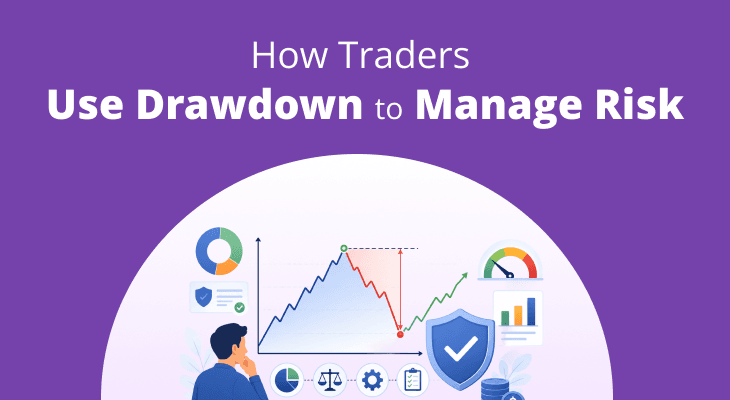
When evaluating an investment or trading strategy, returns usually receive the most attention. However, returns alone do not tell investors how much risk was taken to achieve them. Two portfolios may deliver the same annual return, but one may have experienced far steeper losses during market downturns. This is where max drawdown becomes useful. It measures the largest decline in the value of a portfolio, trading account, or investment from its highest point to its lowest point before a new peak is reached. Instead of focusing only on profits, it shows the worst historical loss an investor would have experienced by staying invested.
Iron Butterfly vs Iron Condor: Which Strategy Is Better?
August 19, 2026 | 0 mins read
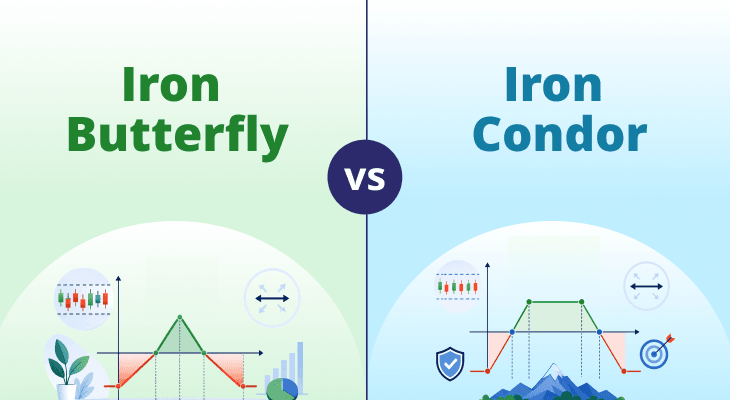
Options trading is not always about predicting the next big market move. At times, the market trades within a narrow range, creating opportunities for strategies that benefit from stability rather than direction. Two of the most widely used neutral strategies are the iron butterfly strategy and the iron condor options strategy. While both strategies use four option contracts and defined risk, they do not behave in the same way. Differences in strike selection, profit range, and risk-reward dynamics can significantly affect trading outcomes. Understanding the difference between an iron condor and an iron butterfly can help you select a strategy that matches your market expectations and trading objectives.
Iron Condor Strategy
August 19, 2026 | 0 mins read
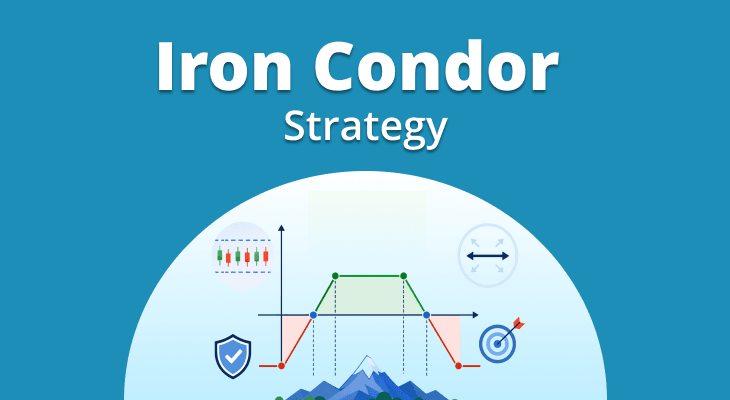
Markets do not always trend strongly. At times, prices remain within a narrow range, making directional trades more challenging. The iron condor strategy is designed for these market conditions. It doesn’t rely on a bullish or bearish outlook. It aims to generate returns when the underlying asset remains within a predefined price range. With clearly defined risk and reward, it has become a widely used approach among traders looking to capitalise on range-bound markets while maintaining controlled exposure.
FAQ
Buy and hold investing suits long-term wealth goals and those who want to avoid frequent trading costs and stress. Active trading, on the other hand, may offer short-term opportunities but often incurs higher costs and emotional strain. Which is ‘better’ depends on your goals, risk tolerance, and time commitment.