
June 8, 2026 | 7 min read
Portfolio Risk Management for Beginners: How to Reduce Risk and Grow Wealth
Markets rarely move in a straight line. A strong rally is often followed by corrections. A big dip is often accompanied by new market positions. And from time to time, even fundamentally strong portfolios can experience huge fluctuations. For beginners, this volatility and uncertainty can feel difficult to navigate.
This is where knowing the ins and outs of portfolio risk management becomes crucial. Instead of predicting market movements, smart investors always focus on controlling their risk exposure. Understanding the different sources of risk and knowing the best strategies to mitigate their impact on your portfolio are skills every investor must have.
In this blog, we will get into the different aspects of portfolio risk management and share actionable insights. You can use it to manage risk, protect your investments, and ensure long-term growth.
Let’s get started.
What Is Portfolio Risk Management?
Portfolio risk management is the simple process of tracking the risks that can affect your portfolio and implementing strategies to reduce them.
It is a fact that every investment carries some uncertainty. Prices of assets can rise or fall due to different factors, such as:
- Rapid market movements
- Economic changes
- Policy changes
- Interest rate fluctuations
- Geopolitical events
- Events specific to a company or sector, and so on
Managing portfolio risk is all about understanding these possibilities and preparing for them so that a single event does not negatively impact your portfolio. The idea is to keep your risk exposure at the intended level, track your overall asset distribution (the weightage of different assets like equity, debt, gold, etc.), and ensure your portfolio withstands market movements and delivers good results over time.
Types of Risks in a Portfolio
Every investment portfolio carries different kinds of risks. These risks usually arise from market volatility caused by one or more of the factors mentioned earlier. Understanding these risks is important for determining which strategy you will use to ensure your portfolio continues to perform well.
Some of the most common types of risk in investment management include:
1. Market risk
The most common type of risk in a portfolio is market risk. Periodically, numerous factors in the financial landscape can cause volatility, such as economic downturns, geopolitical events, inflation, policy changes, or interest rate changes. Market risk affects almost all types of assets and cannot be eliminated through diversification alone.
2. Liquidity risk
Different assets have different rates at which they can be sold. Liquidity risk occurs when an investment cannot be sold quickly without affecting its price. For example, while you can usually sell a stock or a mutual fund holding quickly, a real estate investment can take longer to sell, especially during market stress. This can force you to accept a lower price to exit your position. It’s recommended that your portfolio always has a decent amount of liquid assets in it, so you never feel stuck.
3. Interest rate risk
Interest rate risk mainly affects fixed-income investments such as bonds. When these rates rise, the value of your bonds can decline as new bonds emerge offering higher yields.
4. Inflation risk
Inflation is an issue for debt instruments because, as it rises, it eats into the interest you earn. If your portfolio returns fail to keep pace with inflation, the purchasing power of the invested money slowly declines.
5. Credit risk
Credit risk is mainly associated with debt instruments. If the issuer of a debt instrument, such as a bond, fails to repay interest or even the principal, investors risk losing money.
6. Concentration risk
The concept of concentration risk is simple. The more your portfolio is ‘concentrated’ around one asset or sector, the more vulnerable it is if that sector experiences a downtrend. This is why it is recommended that you diversify your portfolio.
7. Currency risk
If you’re investing in international assets or funds that hold foreign stocks, your portfolio might be subject to currency risk due to exchange rate fluctuations between the Indian rupee and other currencies.
Now that we know some of the most common types of risk in investment management, let’s dive into the tips and strategies that can help you mitigate them and ensure good returns.
Essential Risk Management Tips for Beginners
Managing portfolio risk does not always require complex tools or advanced strategies. In numerous instances, simple habits, consistently followed, can help you manage risk and protect your capital over time.
Here are some essential risk management tips beginners should keep in mind:
- Always diversify your investments: Spread them across different asset classes, such as equity, debt, gold, and more. The more you diversify, the less you risk your portfolio being affected by a downtrend in a single sector.
- Know your risk tolerance: Before investing, define your risk-taking capacity based on factors like your age, income, and financial goals.
- Invest with a long-term vision: Short-term market fluctuations are common, and they should not dictate your reactions. Keep a long-term perspective for optimal returns.
- Periodically review and rebalance: Experts recommend you review and rebalance your portfolio once a year, or after a significant rally or downturn, to make sure it stays balanced.
- Maintain liquidity for emergencies: To ensure protection against liquidity risk, keep a chunk of your investment in liquid assets like stocks and mutual funds.
Tools and Strategies for Risk Management
Now, let’s discuss some approaches that can help you reduce the impact of market volatility and keep your portfolio aligned with your financial goals and risk tolerance.
Diversification
Spreading investments across different asset classes, sectors, and regions is crucial to protect your investment from sudden market movements and events specific to a sector. You must invest with this simple principle in mind: the performance of one investment should not heavily influence your entire portfolio.
Portfolio rebalancing
You must periodically review your portfolio and make decisions based on recent market movements and volatility. For example, consider a ₹100 portfolio with a 50% equity target (₹50 in equity and ₹50 in debt). If equities rally, the equity portion may grow to ₹60 while debt remains at ₹50, increasing the total portfolio value to ₹110. As a result, equity now makes up approximately 54.5% of the portfolio, deviating from the intended 50% allocation.
To restore the balance, you would sell roughly ₹5 worth of equities and reallocate that amount to debt. This adjustment brings the portfolio back to its original 50:50 mix, helping maintain the desired level of risk.
Hedging
You can offset the potential losses in your portfolio by investing in instruments like derivatives (futures and options). For example, if there has been a downtrend, but you hedged your stock investment by also investing in ‘put options,’ as the value of the stock decreases, the value of the option will increase, helping you manage volatility’s impact on the portfolio. Please note that options and futures need to be studied heavily and picked carefully in order to understand how they work and impact your overall investment.
Risk budgeting and position limits
Risk budgeting involves allocating a defined level of risk to different investments or strategies within the portfolio. Investors may also set limits on how much capital is invested in a single stock or sector to avoid excessive concentration.
Common Mistakes Beginners Should Avoid
Now, let’s quickly dive into the common mistakes beginners should avoid while building and managing their portfolio to ensure risk exposure does not increase the intended limit.
- Over-concentrating investments in one stock or sector
- Ignoring balanced asset allocation
- Failing to review the portfolio regularly and only rebalancing after a huge market event
- Trying to time the market and predict things frequently
- Making frequent buying or selling decisions based on short-term market movements
- Investing without understanding the underlying assets properly
- Ignoring liquidity needs for emergencies and short-term goals
Conclusion
Your portfolio is only as good as your ability to manage the risk associated with it. If you’re looking for long-term, sustainable growth, risk mitigation sits at the core of investing principles.
We hope that this article gave you insight into what to do, what common pitfalls to avoid, and what to keep in mind while managing your portfolio so you can create optimal returns based on your intended financial goals.
Also Read: What is an Investment Portfolio and How to Build it? | m.Stock
More Related Articles
How stock market psychology influences investment decision-making
 October 23, 2026 | 0 mins read
Stock market psychology refers to the collective emotions, sentiment, and behavioural biases that influence the buying and selling decisions of investors. Rather than relying on fundamental and technical analysis, investors may sometimes react based on emotions, which can influence market movements.

Peer-to-peer lending 101: All you need to know
October 23, 2026 | 0 mins read
Peer-to-peer lending, or P2P lending, is a model that enables borrowers and lenders to connect directly. The transactions take place through regulated digital platforms without the intervention of any bank or Non-Banking Financial Company (NBFC). Regulated by the Reserve Bank of India (RBI), P2P lending comes in handy for individuals who are unable to obtain a loan due to reasons such as low credit scores, low income, or lack of collateral. While the eligibility criteria may be more flexible, interest rates can be lower or higher depending on the borrower’s profile.
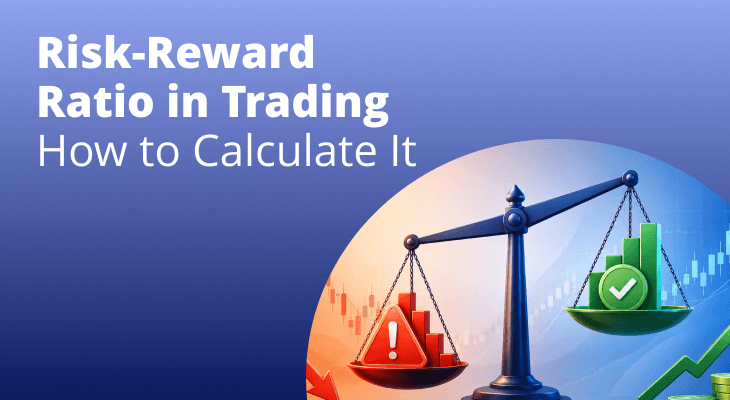
How to Calculate Risk-Reward Ratio in Stock Trading?
October 22, 2026 | 0 mins read
The risk reward ratio compares the amount of money a trader is prepared to risk on a trade with the amount they expect to earn if the trade reaches the target price. Before entering a trade, experienced traders usually estimate two things: the maximum amount they are willing to lose if the trade goes wrong and the potential profit if the trade performs as expected. Comparing these two values helps determine whether the trade offers a favourable balance between risk and reward.
FAQ
Diversification spreads investments across different assets so that poor performance in one investment does not significantly affect the entire portfolio.