
May 26, 2026 | 5 min read
What are the key features of ₹10 brokerage plans?
Price movements often draw a lot of attention in intraday or F&O trading. However, the structure of fees or brokerage also affects how much of your gains you actually retain. ₹10 brokerage plans by a stock broker address this concern by replacing your normal percentage-based charges with a fixed, predictable fee.
With m.Stock, our ₹10 brokerage plans focus on clarity, disciplined trading and cost control across the most active market segments. Read on to learn how these plans work and how our platform applies them.
What does a ₹10 brokerage plan mean when you place a trade?
A ₹10 brokerage plan applies a flat charge of ₹10 per executed order in specific segments. This brokerage does not change with the value of your trade. Whether you trade ₹10,000 or ₹10 lakh, the brokerage remains the same.
If you’re looking specifically for the best Indian stock broker, platforms like m.Stock offer this flat brokerage for all trades. This structure provides cost visibility before execution, helping with planning and risk assessment, because you always know the brokerage component upfront.
It is important to note that brokerage is only one part of the total trading cost. Regulatory charges such as STT, GST, exchange fees, SEBI charges and stamp duty continue to apply as per applicable rules.
Which trading segments are covered under ₹10 brokerage?
Most ₹10 brokerage plans cater to segments having a high trading frequency. This is because these segments require greater cost efficiency and faster execution. On m.Stock, the ₹10 brokerage applies to your:
- Equity intraday orders
- Futures orders
- Options orders
- Pay Later (MTF) orders
Each order that you execute within these segments will attract a flat ₹10 brokerage. Please note that the fee applies to each order, not to each lot or quantity. This consistency from a top share broker is what supports active traders who place multiple orders during the trading day.
An important point to note is that many brokers who charge a ₹10 brokerage fee make up for it with MTF charges. However, with m.Stock’s fixed ₹10 brokerage per order and the low Pay Later (MTF) interest rate of just 8.99%, you benefit from low-friction trades.
How does a flat ₹10 brokerage structure affect your overall trading costs?
When you are working with a flat brokerage model, it brings predictability to your trading expenses. You can calculate your brokerage cost in advance, which helps when setting entry, exit and stop-loss levels.
If you are an active trader, a percentage-based brokerage can quietly rise with larger trade values. That’s where a flat ₹10 fee helps, as it avoids that escalation.
However, it does not eliminate market risk, especially if prices move against your position. Hence, you still need to balance cost efficiency with disciplined execution.
Are ₹10 brokerage plans more practical for frequent traders?
If you are a frequent trader, your focus must be on execution clarity and cost control with SEBI-registered brokers. And a ₹10 brokerage plan supports these priorities by removing the uncertainty inherent in percentage-based fees.
On m.Stock, our trading tools integrate directly with your trade execution:
- You can place orders from charts
- Tracking positions in real time is possible
- You can also manage risk using predefined order types
- Use AI assistance tools like Claude for strategy building
These features will suit your trading if you are self-directed and prefer to make independent decisions. That said, while brokerage remains fixed, repeated trades during unfavourable market conditions can still lead to losses. Hence, cost efficiency is most effective when paired with a defined trading plan.
What is the role of account opening and AMC charges?
Account-related charges often go unnoticed until they add up over time. Many brokers charge a minimum amount to start an account. However, m.Stock does not charge you for account opening and does not levy annual maintenance charges. This structure keeps your fixed costs low.
You only pay brokerage when you trade. And for traders who may not trade every month, this approach helps you avoid unnecessary recurring expenses. When combined with a ₹10 brokerage for active segments, zero account charges support a transparent and usage-based cost structure.
How does Pay Later (MTF) fit into the ₹10 brokerage framework?
Pay Later (MTF) allows you to invest in approved stocks by paying only a part of the total value upfront. The remaining amount is funded, subject to applicable interest.
On m.Stock, each Pay Later (MTF) order attracts a flat brokerage of ₹10. Interest on the funded amount starts at 8.99% per annum, depending on the funding slab and can go up to 14.99% p.a. The shares purchased remain pledged until the funded amount and interest are repaid.
You must consider these aspects:
- Your funded positions increase exposure
- Gains and losses can both scale with higher exposure
- The margin requirements need to be maintained
How do trading tools complement a ₹10 brokerage plan on m.Stock?
A low brokerage structure works best when supported by efficient tools and m.Stock provides access to 20+ tools. This includes chart-based trading, real-time market data and position tracking features. These tools do not replace your judgment, but support informed execution. You remain responsible for understanding market behaviour and managing risk.
With our platform features, you can:
- Monitor positions and daily profit and loss
- Use advanced order types such as stop-loss and GTT
- Trade directly from technical charts
Conclusion
Your trading frequency, risk tolerance and capital size help determine whether a ₹10 brokerage plan suits your goals. Are you planning to trade actively in intraday, futures & options or use Pay Later (MTF)? Well, m.Stock’s flat brokerage structure helps you manage transaction costs with ease.
However, if your focus remains on long-term investing, brokerage plays a smaller role. This becomes even more beneficial on our platform, as all trades on m.Stock attract flat ₹10 brokerage per executed order. These features support long-term allocation without frequent cost impact.
More Related Articles
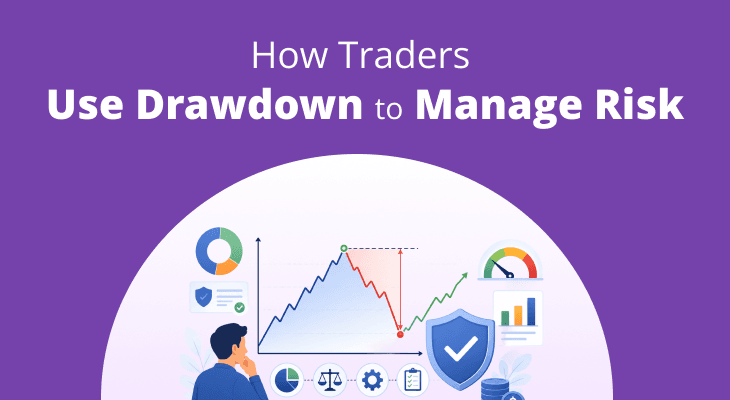
How Traders Use Maximum Drawdown to Manage Portfolio Risk?
 August 19, 2026 | 0 mins read
When evaluating an investment or trading strategy, returns usually receive the most attention. However, returns alone do not tell investors how much risk was taken to achieve them. Two portfolios may deliver the same annual return, but one may have experienced far steeper losses during market downturns. This is where max drawdown becomes useful. It measures the largest decline in the value of a portfolio, trading account, or investment from its highest point to its lowest point before a new peak is reached. Instead of focusing only on profits, it shows the worst historical loss an investor would have experienced by staying invested.
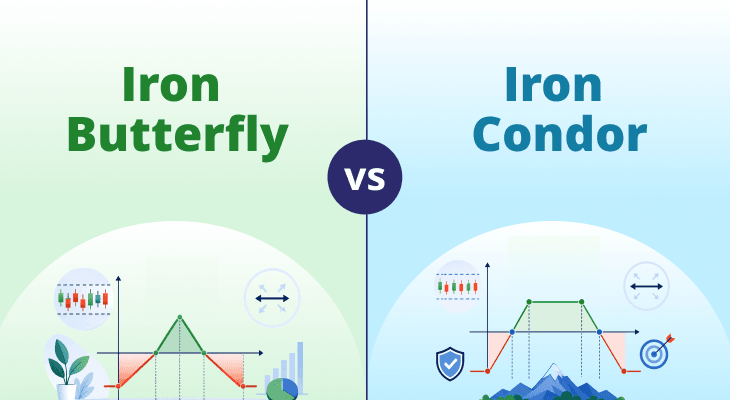
Iron Butterfly vs Iron Condor: Which Strategy Is Better?
August 19, 2026 | 0 mins read
Options trading is not always about predicting the next big market move. At times, the market trades within a narrow range, creating opportunities for strategies that benefit from stability rather than direction. Two of the most widely used neutral strategies are the iron butterfly strategy and the iron condor options strategy. While both strategies use four option contracts and defined risk, they do not behave in the same way. Differences in strike selection, profit range, and risk-reward dynamics can significantly affect trading outcomes. Understanding the difference between an iron condor and an iron butterfly can help you select a strategy that matches your market expectations and trading objectives.
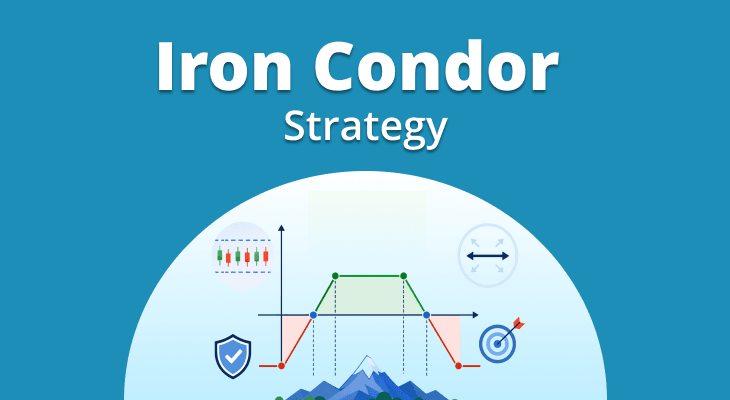
Iron Condor Strategy
August 19, 2026 | 0 mins read
Markets do not always trend strongly. At times, prices remain within a narrow range, making directional trades more challenging. The iron condor strategy is designed for these market conditions. It doesn’t rely on a bullish or bearish outlook. It aims to generate returns when the underlying asset remains within a predefined price range. With clearly defined risk and reward, it has become a widely used approach among traders looking to capitalise on range-bound markets while maintaining controlled exposure.