Overview
- Open-
- High-
- Low-
- Prev. Close-
- O.I-
- O.I Change %-
- Market Lot-
- Avg. Traded Price-
- Volume-
- Spot Price-
- Rollover Cost-
- Rollover %-
Chart
- 1D
- 1W
- 1M
Option Chain
- -
| CALLS | PUTS | |||
|---|---|---|---|---|
| Open Int (Change) | LTP | Strike Price | LTP | Open Int (Change) |
There is no data available for this range | ||||
SPOT Pivot Levels
| Type | Classic | Fibonacci |
|---|---|---|
| R1 | - | - |
| R2 | - | - |
| R3 | - | - |
| PP | - | - |
| S1 | - | - |
| S2 | - | - |
| S3 | - | - |
Corporate Action
- Announcements
- Board Meetings
- Dividends
- Bonus
- Splits
- Rights
- AGM/EGM
- Credit Rating
News

How Rising Oil Prices Impact Stock Market Investments
 October 9, 2026 | 5 mins read
A petroleum price hike, driven by rising global crude oil prices, can have far-reaching consequences for the economy and financial markets worldwide. As India imports over 88% of its crude oil requirements, understanding the impact of rising oil prices on stock market investments is essential for investors.
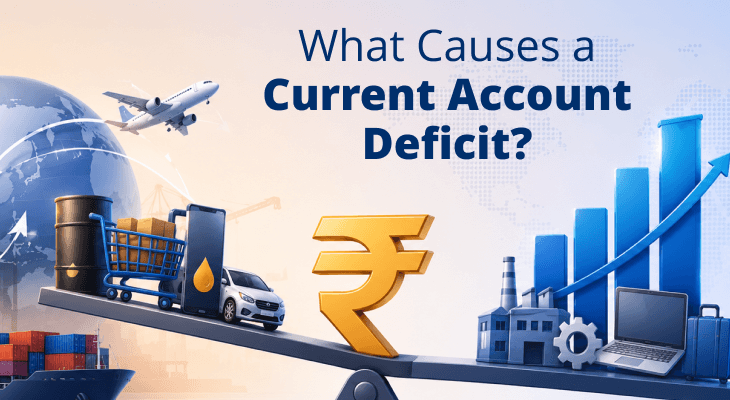
Understanding the meaning and impact of a current account deficit on an economy
October 9, 2026 | 4 mins read
The current account is an important component of a country’s balance of payments. A current account deficit occurs when a country’s total payments to the rest of the world exceed its total earnings from abroad. These payments include imports of goods and services, investment income paid to foreign investors, and current transfers. These earnings include receipts from exports of goods and services, income earned from overseas investments, and current transfers such as remittances. A country’s current account deficit is generally expressed as a percentage of its gross domestic product (GDP).
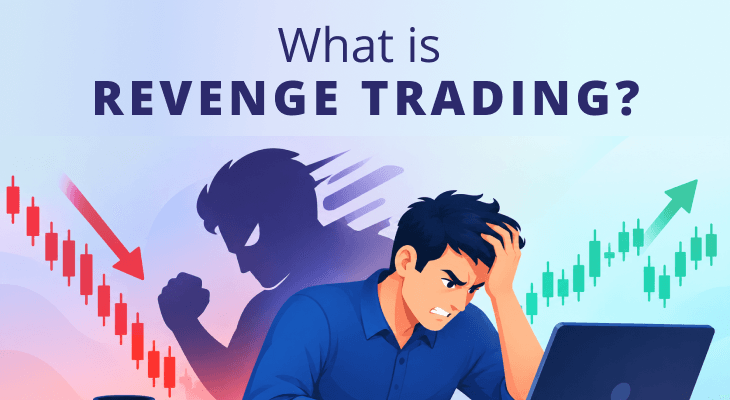
Revenge trading meaning explained: Causes, impact, and how to avoid it
October 9, 2026 | 5 mins read
in revenge trade, they are often driven by emotions such as anger, frustration, fear, or disappointment rather than sound analysis. In the process, they overlook carefully planned trading strategies designed around their financial goals, investment horizon, and risk appetite. More often than not, revenge trading results in further losses, creating a vicious cycle that becomes increasingly difficult to escape.